
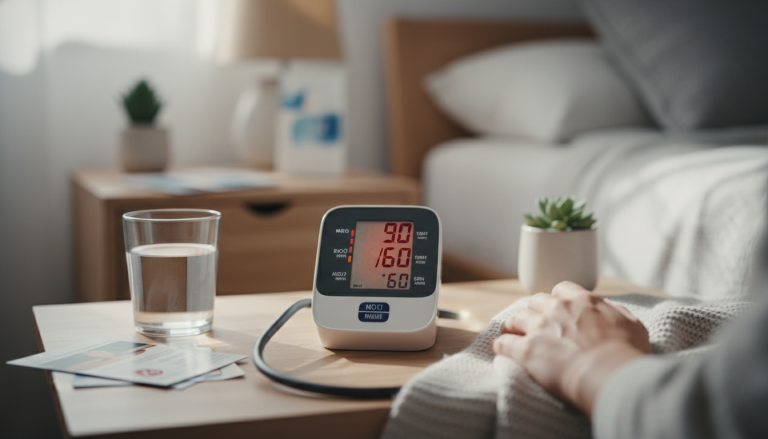
Is 90/60 Blood Pressure Too Low?
You checked your blood pressure, saw 90/60, and now you’re wondering: “Is my blood pressure too low… or am I just unusually chill?”
Let’s break it down in plain English so you know when 90/60 is okay, when it’s not, and what to do next.
Quick Answer: Is 90/60 Too Low?
For many people, 90/60 mmHg is considered the lower edge of “normal.”
- If you feel fine (no dizziness, fainting, chest pain, shortness of breath): 90/60 can be normal and healthy for you.
- If you’re having symptoms like lightheadedness, fainting, blurry vision, confusion, or feeling like you might pass out: then 90/60 may be too low for your body and needs medical attention.
Doctors often define low blood pressure (hypotension) as a reading below 90/60 mmHg, especially if symptoms are present. But the number alone doesn’t tell the whole story—how you feel matters just as much as the reading.
Takeaway: 90/60 by itself is not automatically dangerous, but if you feel unwell with it, that’s a red flag.
What Does a 90/60 Blood Pressure Reading Mean?
Blood pressure has two numbers:
- 90 (systolic) – pressure when your heart beats.
- 60 (diastolic) – pressure when your heart relaxes between beats.
Most guidelines say a “normal” blood pressure is around 120/80, and anything from about 90/60 up to 120/80 can be normal for many adults.
Some people—especially younger adults, smaller-bodied people, athletes, and very fit individuals—naturally run lower and feel great.
But if your body and brain aren’t getting enough blood flow, low pressure can cause symptoms. That’s when we stop calling it “just low” and start calling it a problem.
Takeaway: 90/60 means your pressure is on the low end, but whether it’s too low depends on context and symptoms.
When Is 90/60 Blood Pressure Normal?
You might be totally fine with a blood pressure of 90/60 if:
- You feel well. No dizziness, no fainting, no weird vision changes, no confusion, no chest pain.
- It’s always been that way. Some people’s “usual” is 95/60, 100/65, or 90/60. If your past readings are similar and your doctor wasn’t concerned, it may be normal for you.
- You’re young and/or very fit. Athletes and very active people often have lower resting blood pressure and heart rate because their hearts are efficient.
- You’re not pregnant or in a high-risk group where low blood pressure could signal something more serious.
Example: A 25-year-old runner regularly checks her blood pressure: it’s usually around 92/58–100/62. She feels great, no symptoms. For her, 90/60 is probably just her normal baseline.
Takeaway: If 90/60 matches your usual, and you feel good, it’s often nothing to panic about.
When Is 90/60 Blood Pressure Too Low or Unsafe?
90/60 becomes more concerning when it comes with symptoms or a sudden change.
You should be more cautious if:
1. You Have Symptoms of Low Blood Pressure
Call a doctor urgently (or seek emergency care, depending on how bad it is) if your 90/60 reading comes with:
- Fainting or nearly fainting (feeling like you’re about to black out)
- New or severe dizziness or lightheadedness, especially when standing up
- Confusion, difficulty thinking clearly, or feeling “out of it”
- Blurred vision
- Chest pain, shortness of breath, or a racing/irregular heartbeat
- Cold, clammy, or pale skin
These can be warning signs that your brain, heart, or other organs aren’t getting enough blood flow.
Takeaway: Low reading plus symptoms = don’t ignore it.
2. Your Blood Pressure Suddenly Dropped to 90/60 (or Lower)
A sudden drop can be more dangerous than a steady low number.
Example: You usually run 120/80, and today you feel weirdly weak and dizzy. You check and get 90/60 or lower. That sudden change is more concerning than someone who’s always at 90/60.
Sudden drops can be caused by:
- Dehydration (not drinking enough, vomiting, diarrhea, heavy sweating)
- Blood loss (internal or external)
- Certain medications (like blood pressure meds, heart meds, some antidepressants, or meds for Parkinson’s)
- Severe infection (sepsis)
- Allergic reactions (anaphylaxis)
- Heart problems (heart attack, severe rhythm problems, heart failure)
Takeaway: A new low reading—especially if you feel unwell—deserves prompt medical evaluation.
3. You’re in a Higher-Risk Group
Be extra cautious with a 90/60 reading if you:
- Are pregnant, especially if you have symptoms like dizziness or fainting
- Are older or have a history of falls
- Have known heart disease, diabetes, or neurologic conditions
- Recently started or changed medications that can affect blood pressure
For these groups, even what looks like “mild” low blood pressure can increase the risk of falls, fainting, or reduced blood flow to vital organs.
Takeaway: In higher-risk situations, don’t self-diagnose—loop in a professional.
Common Reasons Someone Might Have 90/60 Blood Pressure
Here are some everyday causes and what typically helps (always talk with a clinician for personal advice):
1. Dehydration
Not drinking enough, sweating a lot, vomiting, or diarrhea can all lower your blood volume, dropping your blood pressure.
Signs this may be the issue:
- Dark urine, going less often
- Feeling extra thirsty, tired, or lightheaded
What sometimes helps: Sip water or oral rehydration solutions (especially if you’ve been sick or sweating a lot).
2. Medications
Certain medications can cause or worsen low blood pressure, for example:
- Blood pressure medications (ACE inhibitors, ARBs, beta blockers, diuretics)
- Some antidepressants
- Parkinson’s medications
- Nitrates for chest pain
What to do: Do not stop your medication on your own. Instead, document your readings and symptoms and talk with your prescriber; they may adjust the dose or timing.
3. Standing Up Too Fast (Orthostatic Hypotension)
If you go from lying or sitting to standing and your blood pressure drops, that’s called orthostatic hypotension.
You might notice a head rush, dimming vision, or feeling like you’ll pass out right after you stand.
What can help (general tips):
- Stand up slowly—sit at the edge of the bed for a moment before getting up.
- Drink enough fluids (unless your doctor has limited them).
- Compression stockings or certain medications may be used, but only under medical supervision.
4. Naturally Low Baseline
Some people simply live in the 90/60 to 100/65 range and feel totally fine.
If that’s you, keep an eye on symptoms more than the number itself, and let your doctor know your usual baseline so they interpret future readings correctly.
Takeaway: 90/60 isn’t one-size-fits-all. The “why” behind the number matters.
How Low Is Too Low for Blood Pressure?
There isn’t a single magic cutoff that fits everyone, but a few practical guideposts:
- Readings consistently below 90/60, plus symptoms like dizziness, fainting, confusion, or chest pain: too low—needs evaluation.
- A drop from something like 130/80 to 90/60 or less, along with feeling very unwell: concerning.
- Extremely low readings such as 80/50, 70/40, or lower—especially with symptoms like confusion, trouble breathing, or cold/clammy skin—can be signs of a medical emergency. Call emergency services right away.
Takeaway: “Too low” is really “too low for you plus you feel unwell.” Err on the side of caution.
What Should You Do If Your Blood Pressure Is 90/60?
Here’s a step-by-step, common-sense approach. This is general information—not personal medical advice.
Step 1: Check How You Feel
Ask yourself:
- Do I feel dizzy, lightheaded, weak, or faint?
- Do I have chest pain, shortness of breath, confusion, or trouble speaking?
- Did I collapse or nearly pass out?
If yes to severe symptoms, especially chest pain, shortness of breath, confusion, or fainting, seek emergency care immediately.
If symptoms are milder (like slight lightheadedness) but persistent, contact your doctor or an urgent care the same day for guidance.
Step 2: Recheck the Reading
Sometimes home monitors are inaccurate.
- Sit quietly for 5 minutes, feet flat on the floor, back supported.
- Don’t talk, don’t cross your legs.
- Take 2–3 readings, 1–2 minutes apart, and average them.
If your second or third reading is much different, the first one may have been off.
Step 3: Think About Triggers
Consider:
- Have I eaten very little or skipped meals?
- Am I dehydrated (sick, sweating, not drinking much)?
- Did I drink alcohol recently?
- Any new medications or dose changes?
Write these down—they’re extremely helpful for your doctor.
Step 4: Try Simple, Safe Measures (If Symptoms Are Mild and You’re Not in an Emergency)
Common advice clinicians may give (this is general information):
- Hydrate: Slowly drink water, especially if you suspect dehydration.
- Change positions slowly: Move from lying to sitting to standing over 1–2 minutes.
- Avoid very hot showers or baths, which can drop your pressure.
If you’re on blood pressure medications or have heart or kidney issues, ask your doctor before significantly increasing fluids.
Step 5: Follow Up With a Healthcare Professional
Reach out to a clinician if:
- 90/60 is new for you, even if you feel okay.
- You have repeated low readings over several days.
- You’re having ongoing symptoms, even if they’re mild.
They may review your medications, check for anemia, dehydration, hormonal issues, or heart problems, and suggest tests like blood work or an EKG depending on your situation.
Takeaway: Don’t just watch the number—partner with a clinician, especially if something feels off.
90/60 and Anxiety: Could Worry Be Making It Worse?
When people feel weird—lightheaded, “off,” or shaky—they understandably get anxious. That anxiety can make your heart race, make you breathe faster (sometimes causing more lightheadedness), and make you focus intensely on the number on the screen.
Anxiety more often causes surges in blood pressure, but feeling unsteady from low-ish blood pressure can absolutely trigger anxiety and panic, turning it into a vicious cycle.
If your doctor rules out serious causes and says your pressure is safe for you, working on stress management, hydration, gradual position changes, and regular check-ins can help you feel more in control.
Takeaway: Lowish blood pressure can feel scarier because of anxiety—but anxiety itself doesn’t turn 90/60 into an emergency if your doctor says it’s your normal.
When to Get Urgent or Emergency Help
Call emergency services right away if your blood pressure is around 90/60 or lower and you have:
- Chest pain or pressure
- Trouble breathing
- Confusion, difficulty speaking, or trouble staying awake
- Fainting or nearly fainting
- Signs of severe allergic reaction (swelling of face, lips, tongue, trouble breathing, hives)
- Signs of severe infection (fever, feeling very ill, very fast heart rate, cold or clammy skin, or extreme weakness)
Contact a doctor or urgent care the same day if:
- 90/60 is new for you and you feel dizzy, weak, or unwell
- You’ve had repeated low readings for several days
- You recently started or changed a medication that can affect blood pressure
Takeaway: Numbers are helpful—but symptoms decide the urgency. Don’t hesitate to seek help if you’re worried.
Bottom Line: Should You Worry About 90/60?
Think of 90/60 as a yellow light, not automatically a red one.
- No symptoms and it’s your usual: Likely okay, but still worth mentioning at regular checkups.
- New number or you feel off: Call your healthcare provider and get it checked out.
- Severe symptoms: Treat it like an emergency.
If you’re unsure, it’s always reasonable to say: “I got a reading of 90/60, and I’m feeling ___ (describe symptoms). Is this something I should be seen for today?” That way, you’re not just staring at the monitor—you’re getting real-world help tailored to you.
Leave a Reply