Feeling Weak After a Shower: What It Could Mean
Disclaimer: This article is for general information only and isn’t medical advice or a diagnosis. If you have severe symptoms or think it may be an emergency, call your local emergency number.
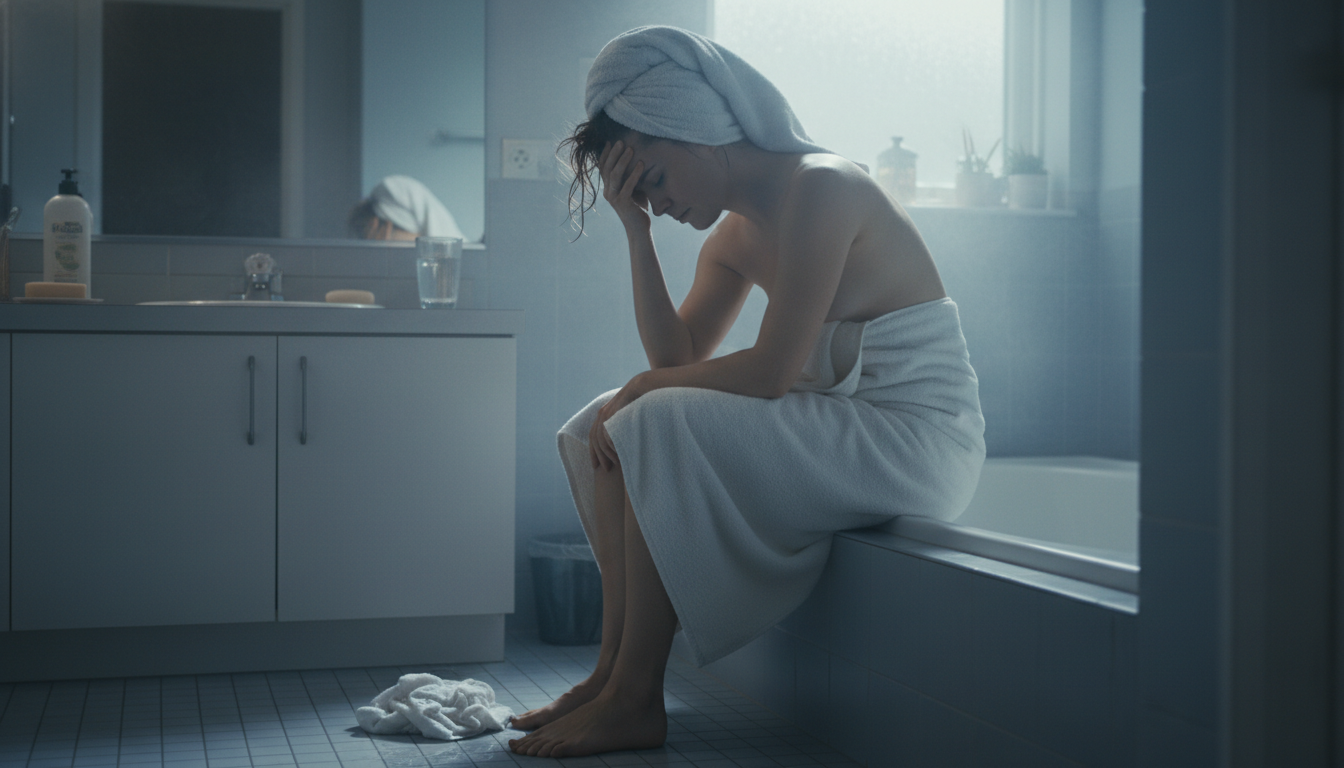
You step out of the shower, ready to feel refreshed, and instead you feel like you just ran a marathon in a sauna. Legs wobbly. Heart a bit weird. Head light, body heavy.
If you’re feeling weak after a shower and wondering, “Is this normal or is my body staging a quiet rebellion?” you’re not alone. Let’s walk through what might be going on, when it’s usually harmless, and when it’s a “get this checked” situation.
Is It Normal to Feel Weak After a Shower?
It can be, depending on how often it happens, how intense it feels, and what else is going on with your health.
Many people feel a little lightheaded, weak, or tired after:
- A very hot shower
- A long shower in a steamy bathroom
- Getting up too quickly after bending down
- Showering on an empty stomach or when slightly dehydrated
Those situations can temporarily change your blood pressure, heart rate, and body temperature, which can make you feel off for a few minutes.
But if you regularly feel very weak, dizzy, like you might faint, or your heart races hard after every shower, it’s worth paying attention.
Quick takeaway: Mild, occasional weakness after a hot or long shower can be normal. Frequent, strong, or scary symptoms are not something to ignore.
Why Can a Shower Make You Feel Weak?
Let’s break down some of the most common reasons.
1. Hot Showers Can Drop Your Blood Pressure
Warm water makes your blood vessels widen (vasodilation). That’s part of why hot showers feel relaxing. The catch is that when blood vessels widen, blood pressure can drop, especially when you’re standing.
Low blood pressure (hypotension) can cause:
- Weakness
- Dizziness or lightheadedness
- Blurry vision
- Feeling like you might faint
Combine that with steam, standing still, and bending over to wash your legs, and your brain can get slightly less blood for a moment, leading to that “whoa, I feel weird” sensation.
Takeaway: Hot water plus standing and steam can temporarily lower your blood pressure and make you feel weak.
2. Standing Up Too Fast (Orthostatic Hypotension)
Standing up too quickly and feeling the world tilt for a second is often orthostatic hypotension, a sudden drop in blood pressure when you move from sitting or lying to standing.
In the shower, this can happen when you:
- Step in quickly after sitting or lying down
- Bend to wash your legs, then stand up fast
- Step out of the shower suddenly
Your body usually adjusts in a second or two. But if your blood pressure tends to run low, if you’re dehydrated, or if you’re on certain medications, that adjustment can take longer, leaving you feeling weak or like you might pass out.
Takeaway: Quick position changes in the shower can briefly drop your blood pressure and make you feel weak or woozy.
3. Dehydration (Yes, Even in the Shower)
You’re surrounded by water, but your body might still be dehydrated.
When you’re low on fluids:
- Your blood volume is lower
- Your blood pressure can drop more easily
- Your heart may work harder to pump blood
Hot showers also make you sweat, even if you don’t notice it. If you haven’t had much to drink, that can add to the problem.
Signs you might be dehydrated include:
- Dark yellow urine
- Dry mouth
- Headache
- Feeling tired or weak
Takeaway: Dehydration makes your body less stable with heat and standing, so a hot shower can push you over the edge into weakness or lightheadedness.
4. Overheating (Feeling Drained From Heat)
A very hot, steamy bathroom can act like a mini-sauna.
Overheating can cause:
- Weakness and fatigue
- Headache
- Nausea
- Dizziness
If you already have conditions that affect your autonomic nervous system, circulation, or heart, heat can hit you harder.
Takeaway: If your bathroom feels like a sauna and you step out feeling drained, heat and steam may be a big part of the problem.
5. Low Blood Sugar (Showering on Empty)
If you shower first thing in the morning, after a long time without eating, or after a workout without refueling, your blood sugar might be on the low side.
Low blood sugar (hypoglycemia) can cause:
- Weakness and shakiness
- Sweating
- Fast heartbeat
- Feeling anxious or on edge
- Lightheadedness
Add hot water and standing, and your body may feel extra unstable.
Takeaway: If you feel weak and shaky after showering on an empty stomach, low blood sugar may be contributing.
6. Anxiety, Panic, or Sensitivity to Sensations
Showers are full of bodily sensations: heat, heartbeat changes, breathing changes, and the sound of water. If you tend to notice body sensations a lot, or you’re dealing with health anxiety or panic, you might notice your heart beating faster from the heat and start to worry that something’s wrong. That worry can ramp up adrenaline.
Then suddenly your legs feel weak, your chest feels tight, and you feel dizzy or unreal.
That doesn’t mean it’s “all in your head,” but it does mean your nervous system may be over-firing to normal changes, turning minor shifts into intense-feeling symptoms.
Takeaway: Anxiety can amplify normal body changes in the shower and make weakness feel scarier and more intense.
7. Underlying Conditions That Can Show Up in the Shower
Sometimes feeling weak after a shower is your body’s way of saying something deeper is going on.
Conditions that may make showering trigger weakness, lightheadedness, or near-fainting include (this is not a full list):
- Heart issues (like rhythm problems, heart failure)
- Blood pressure problems (very high or very low)
- Anemia (low red blood cell count)
- Autonomic nervous system disorders like POTS (postural orthostatic tachycardia syndrome)
- Thyroid problems
- Infections or illnesses causing fever, fatigue, or dehydration
If you have other symptoms like chest pain, shortness of breath, palpitations, or you actually faint, it’s important to get checked.
Takeaway: If shower-related weakness is new, intense, or paired with other symptoms, it can be a clue to an underlying medical issue.
Quick Self-Check: What Exactly Are You Feeling?
When you say you feel “weak after a shower,” it can actually mean a few different things. Clarifying this can help you and your doctor narrow things down.
Do you feel more:
- Lightheaded (like you might pass out, woozy, head feels floaty)?
- Heavy and drained (body feels like lead, zero energy)?
- Shaky and wired (like anxiety, heart racing, can’t calm down)?
- Short of breath (hard to catch your breath, breathing feels off)?
Also notice:
- Does it happen only after hot showers or even with lukewarm water?
- Does it improve after you sit or lie down?
- Does eating, drinking water, or cooling down help?
Takeaway: Being specific about your symptoms and triggers can turn a vague “I feel weird” into useful information if you talk to a healthcare professional.
How to Feel Less Weak After a Shower: Practical Tips
You don’t have to give up showers, but you can tweak your routine.
1. Turn the Temperature Down a Bit
You don’t need an ice bath, but try:
- Warm instead of very hot water
- Shorter showers (5–10 minutes instead of 20 or more)
- Ending with slightly cooler water for 20–30 seconds
Cooler water helps prevent excessive blood vessel widening and overheating.
2. Make Position Changes Slower
- When getting in, sit on the edge or stand slowly instead of popping straight up.
- If you bend down, rise back up slowly and hold on to something stable.
- When done, pause a few seconds before stepping out of the shower.
Think “slow motion” instead of “jump cut.”
3. Hydrate Before and After
About 30–60 minutes before your shower:
- Drink a glass of water
- If you’re prone to low blood pressure and your doctor has okayed it, a drink with electrolytes or a light salty snack can sometimes help blood volume.
After your shower, have another few sips of water. If you haven’t eaten in hours, a small snack can help stabilize blood sugar.
4. Cool Down the Bathroom
- Crack the door or window if possible
- Use the exhaust fan
- Avoid super long, steamy showers
If you feel weak after showering, try sitting down in a cooler room as soon as you’re done.
5. Sit While You Dry Off and Get Ready
Instead of standing the whole time:
- Sit on a chair, closed toilet lid, or bench
- Dry off and dress while seated if you can
This reduces the demand on your circulation while your body is still adjusting from the heat.
6. Time Your Shower Smarter
If you notice a pattern like “I only feel weak when I shower right after waking up,” or “It’s worse when I shower after a long day without eating,” try shifting your shower to a time when you’re more hydrated and have eaten recently.
7. If Anxiety Is in the Mix
If part of what’s happening is, “I feel a little weird, then I panic, now I feel much worse,” then:
- Practice slow breathing in the shower: inhale for 4 seconds, exhale for 6–8.
- Remind yourself: My heart rate changes in hot water. That’s a normal body response.
- Keep the water a bit cooler, which often feels safer and less triggering.
If anxiety is strong or constant, talking with a mental health professional can help you break that cycle.
Takeaway: Small changes such as cooler water, more hydration, moving slower, and sitting after can significantly reduce weakness for many people.
When Feeling Weak After a Shower Is a Red Flag
There are times when this is not something to just shrug off.
Seek urgent medical care (ER or emergency services) if:
- You faint in or after the shower
- You have chest pain, pressure, or tightness
- You have trouble breathing or feel like you can’t get enough air
- You notice one-sided weakness, trouble speaking, or facial drooping
- Your heart is racing or pounding in a way that feels very abnormal, especially with dizziness
Contact a healthcare professional soon (within days, not months) if:
- You frequently feel very weak, dizzy, or close to fainting after showers
- You notice a strong rise in heart rate when you stand (for example, jumping by 30 or more beats per minute and staying there)
- You’re extremely tired, short of breath, or weak in general, not just after showering
- You have other unexplained symptoms like unintentional weight loss, fevers, or night sweats
Takeaway: If your shower symptoms are severe, frequent, or happening alongside other worrying signs, it’s time to get evaluated, not just change your shower temperature.
What to Tell Your Doctor If You Go In
To make the most of an appointment, jot down:
- What happens: “I feel weak, like my legs might give out,” or “I feel dizzy and my vision dims.”
- When it happens: Only after hot showers? Every shower? Only morning or evening?
- How long it lasts: Seconds? Minutes? Longer?
- What helps: Sitting or lying down? Drinking water? Eating?
- Other symptoms: Chest pain, palpitations, shortness of breath, headaches, fatigue, brain fog, and so on.
- Medications and conditions: Blood pressure medications, heart medications, antidepressants, diabetes medications, and any known heart, blood pressure, or thyroid issues.
Your doctor may check:
- Blood pressure (possibly lying down versus standing)
- Heart rate and rhythm
- Blood tests (for anemia, thyroid, electrolytes, and more)
Takeaway: Clear details help your healthcare professional spot patterns and decide what needs to be tested.
Bottom Line: Is Feeling Weak After a Shower Normal?
- It can be common and often harmless if it’s mild, occasional, and mostly tied to very hot or long showers, dehydration, or standing up too fast.
- It’s not something to ignore if it’s strong, frequent, getting worse, or combined with symptoms like chest pain, fainting, shortness of breath, or a racing heart.
You don’t have to solve this alone. Use the tips to experiment safely, such as cooler water, slower movements, and more hydration, and if your symptoms are concerning or persistent, talk with a healthcare professional.
Your shower should leave you feeling clean, not like you just survived a boss battle.
Sources
- Mayo Clinic – Low blood pressure (hypotension): Symptoms and causes
https://www.mayoclinic.org/diseases-conditions/low-blood-pressure/symptoms-causes/syc-20355465 - Cleveland Clinic – Orthostatic hypotension: Symptoms, causes and treatment
https://my.clevelandclinic.org/health/diseases/9385-orthostatic-hypotension - Johns Hopkins Medicine – Dehydration
https://www.hopkinsmedicine.org/health/conditions-and-diseases/dehydration - Mayo Clinic – Heat exhaustion (symptoms and causes)
https://www.mayoclinic.org/diseases-conditions/heat-exhaustion/symptoms-causes/syc-20373250 - Mayo Clinic – Hypoglycemia (low blood sugar): Symptoms and causes
https://www.mayoclinic.org/diseases-conditions/hypoglycemia/symptoms-causes/syc-20373685 - Cleveland Clinic – Postural Orthostatic Tachycardia Syndrome (POTS)
https://my.clevelandclinic.org/health/diseases/16560-postural-orthostatic-tachycardia-syndrome - MedlinePlus – Fainting (syncope)
https://medlineplus.gov/ency/article/003092.htm
Leave a Reply