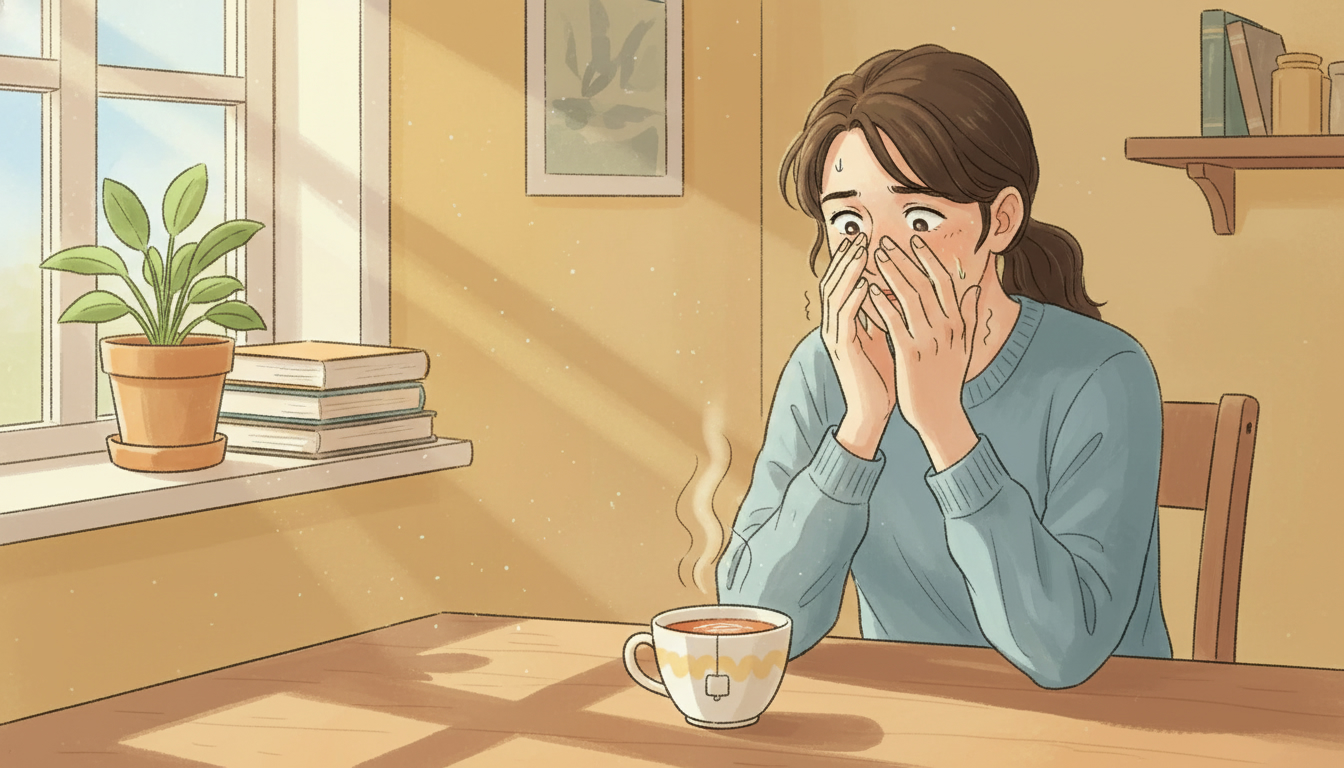
Why Your Hands Are Shaking Right Now
If you’re reading this while staring at your own trembling hands thinking, “Uh… is this bad?”, you’re in the right place.
Let’s slow this down (even if your hands aren’t cooperating).
This post will walk you through common reasons your hands might be shaking right now, what’s usually not an emergency, when it might be, and practical steps you can take next. This is educational only and not a diagnosis or a substitute for medical care.
First: Is It Normal for Hands to Shake Sometimes?
Short answer: yes, sometimes.
Everyone has a tiny amount of natural shake in their hands called physiologic tremor. Most of the time, it’s so small you don’t notice it. But certain things can turn up the volume on that tremor and suddenly you’re like, “Why do my hands look like they’re running on espresso and anxiety?”
Before jumping to worst‑case scenarios, it helps to do a quick self-check.
Quick self-check questions:
- Did you just drink coffee, an energy drink, or a lot of soda?
- Are you anxious, panicking, or under a lot of stress right now?
- Have you eaten in the last few hours, or could your blood sugar be low?
- Did you exercise hard, rush somewhere, or feel overheated?
- Are you taking a new medication (or changed the dose) recently?
If you’re already nodding yes to one or more of those, keep reading — we’ll connect the dots.
Takeaway: A little shakiness, especially during stress, caffeine, or hunger, can be normal — but it’s still worth understanding why it’s happening.
Common Reasons Your Hands Are Shaking Right Now
There are many possible causes, but a few show up over and over. We’ll start with the most common and benign ones.
1. Caffeine, Energy Drinks, or Other Stimulants
If you had coffee, a pre‑workout drink, or anything labeled “extra energy” recently, your hands might just be chemically hyped up.
Caffeine and other stimulants increase activity in your nervous system — your heart beats faster, you feel more alert, and your muscles may become a little twitchy. That can show up as hand tremors, jitteriness, and restlessness.
You’re more likely to notice:
- Fine shaking when you hold your hands out or try to do precise tasks
- Racing heart, feeling wired or on edge
- Trouble sitting still or relaxing
What you can do:
- Pause caffeine and energy drinks for the rest of the day.
- Drink water and have a balanced snack (protein + carbs).
- Give it a few hours — caffeine effects usually ease as your body metabolizes it.
Takeaway: If you’re basically powered by iced coffee, your hands might simply be protesting.
2. Stress, Anxiety, or a Panic Response
You know that feeling when your body acts like you’re being chased by a bear, but the only thing chasing you is your inbox? That’s your fight‑or‑flight system kicking in.
When you’re anxious or panicking, your body releases stress hormones like adrenaline. These can cause:
- Shaking in the hands, legs, or entire body
- Racing heart, sweating, shortness of breath
- Feeling detached, dizzy, or “not quite here”
The shaking doesn’t mean you’re weak or “losing it.” It’s your body trying to mobilize energy fast — it just picked the wrong situation.
What you can do right now:
- Name what’s happening. Tell yourself: “My hands are shaking because my body is stressed, not because I’m in immediate danger.”
- Try a 4–6 breathing reset:
- Breathe in through your nose for 4 seconds.
- Hold for 2 seconds.
- Exhale slowly through your mouth for 6 seconds.
- Repeat for 1–3 minutes.
- Grounding check:
- Look around and name 5 things you can see.
- 4 things you can feel.
- 3 things you can hear.
- 2 things you can smell.
- 1 thing you can taste.
These techniques don’t solve the underlying stress, but they can help dial down the immediate shaking.
Takeaway: Anxiety-triggered hand shaking is extremely common — it feels scary, but it’s often a reversible stress response.
3. Low Blood Sugar (Haven’t Eaten in a While)
If your hands are shaking and you also feel:
- Hungry or “hangry”
- Lightheaded, weak, or sweaty
- Irritable or suddenly emotional
It might be that your blood sugar is low.
Your brain is very sensitive to changes in glucose (sugar) levels. When they drop, your body reacts by releasing adrenaline to push sugar back into the bloodstream — that adrenaline surge can cause hand tremors.
Try this experiment:
- Eat a small, balanced snack: for example, a banana with peanut butter, yogurt with some granola, or cheese and whole‑grain crackers.
- Drink some water.
- Wait 15–30 minutes and see if the shaking improves.
If it fades after eating, low blood sugar was likely part of the story.
Important: If you have diabetes or a blood sugar disorder, shaking with confusion, sweating, or behavior changes can be serious. Follow your care plan and contact a medical professional or emergency services as directed by your provider.
Takeaway: Sometimes your hands are shaking because your body is basically saying, “Feed me or I will make everything weird.”
4. Exercise, Fatigue, or Overexertion
Hands can shake after a workout, carrying something heavy, or even after intense fine-motor work (like writing, drawing, gaming, or playing an instrument for a long time).
Your muscles use up energy and can get temporarily fatigued, leading to:
- Shaky hands when holding objects
- Weak or wobbly feeling in arms or legs
- Improvement after rest, hydration, and food
This kind of shaking usually fades within minutes to a few hours.
Takeaway: If you just hit a new PR at the gym, your post‑workout tremor is likely your muscles filing a complaint.
5. Medications and Substances
Certain medications and substances are known for causing hand tremors in some people. These can include (not an exhaustive list):
- Some asthma medications
- Thyroid medications
- Certain antidepressants or mood stabilizers
- Some anti‑seizure drugs
- Stimulant medications (for conditions like ADHD)
- Excessive alcohol use or alcohol withdrawal
If your hand shaking started soon after a new medication or dose change, or when you cut back sharply on alcohol or another substance, that’s important context.
What you can do:
- Do not stop or change prescription medication on your own.
- Write down when the shaking happens and anything that makes it better or worse.
- Contact the prescribing clinician and describe the symptoms.
Takeaway: Shakiness could be a side effect or withdrawal effect — which is a “talk to a professional” situation, not a “tough it out alone” one.
6. Essential Tremor and Other Chronic Causes
If your hands have been shaking for weeks, months, or years (not just today), and it’s especially noticeable when you’re doing things like writing, holding a cup, or using utensils, there are other possibilities.
One of the most common chronic causes is called essential tremor. This is:
- A movement disorder that often runs in families
- Usually worse when using the hands (action tremor), not at rest
- Sometimes improved a bit by small amounts of alcohol (though that’s not a treatment)
There are also neurologic conditions, like Parkinson’s disease, that can cause tremors, but these usually come with a specific pattern (for example, more at rest, often starting on one side) and other symptoms. Only a medical professional can properly evaluate and diagnose these.
If your question is less “Why are my hands shaking right now?” and more “Why have my hands been shaking for ages?”, that’s a sign to schedule a proper medical evaluation.
Takeaway: Long‑term, persistent hand shaking deserves a calm, thorough work‑up — you don’t have to DIY this.
Quick At-Home Check: How Bad Is This Right Now?
This is not a diagnostic test, but it can help you organize what you’re noticing before you talk to anyone else.
Ask yourself:
- How sudden was it?
- Just started within minutes to hours? Look for recent triggers: caffeine, stress, missed meals, exercise, new meds.
- Any red flag symptoms?
- Chest pain or pressure
- Trouble breathing
- Slurred speech, facial drooping, or weakness on one side of the body
- Confusion, trouble speaking, or severe headache
- Severe dizziness, fainting, or losing consciousness
If any of these are present, seek emergency medical care immediately.
- Is it only my hands? Or more?
- Whole body shaking with anxiety or chills can happen in panic or infection.
- One‑sided weakness or numbness is more concerning.
- Could this be withdrawal?
- Have you recently stopped or sharply reduced alcohol, benzodiazepines, or other substances you used regularly?
Takeaway: If your shaking comes with serious, sudden, or one‑sided symptoms, or you feel “not right” in a big way, don’t wait — reach out for emergency help.
What To Do If Your Hands Are Shaking Right Now
If this does not feel like an emergency, here’s a calm, practical step‑by‑step you can follow.
Step 1: Pause and Breathe
Sit down somewhere safe. Put your feet on the floor.
Try the simple 4–6 breathing pattern again:
- Inhale for 4 seconds.
- Hold for 2.
- Exhale for 6.
- Repeat for 10–15 breaths.
Sometimes the act of checking in with your body (instead of fighting it) can slightly reduce tremors caused by stress or adrenaline.
Step 2: Check the Obvious Triggers
Run this quick list:
- Caffeine/stimulants: Did I have coffee, tea, energy drinks, pre‑workout, or stimulant meds recently?
- Food: When was my last real meal or snack?
- Sleep: Am I severely sleep‑deprived?
- Stress: Am I in the middle of an argument, deadline, or panic spiral?
- Exercise: Did I just work out hard or do something physically intense?
If one of these is clearly true, address that first:
- Drink water.
- Eat something balanced.
- Reduce or pause caffeine.
- Give your body time — 30–90 minutes can make a difference.
Step 3: Observe, Don’t Obsess
For the next hour or two, instead of checking your hands every 5 seconds, try to notice patterns:
- Is the shaking only when I reach for things, or even when my hands are resting?
- Does it change if I’m distracted vs. focused on it?
- Does it improve after eating, resting, or calming down?
Jot down a few notes. If you end up talking to a doctor, this info is gold.
Step 4: Decide Who To Contact (If Anyone)
Consider reaching out to a medical professional soon (same day or within a few days) if:
- The shaking is new and doesn’t improve after rest, food, and avoiding stimulants.
- It’s happening often, interfering with daily tasks (writing, holding a cup, typing).
- You have other symptoms, like weight loss, racing heart, heat intolerance, or changes in mood or sleep.
- You’ve started a new medication and this began afterward.
Seek immediate/emergency care if:
- The shaking comes with chest pain, severe shortness of breath, or you feel like you might pass out.
- There’s sudden weakness, numbness, facial drooping, or trouble speaking.
- You or someone with you is acting very confused, not making sense, or has a sudden, severe headache.
Takeaway: When in doubt, it’s okay to err on the side of talking to a professional — even if it turns out to be something simple.
Two Short Real-Life Style Scenarios
Sometimes it’s easier to recognize yourself in a story.
Scenario 1: The Caffeine + Deadline Combo
Alex is on a deadline, stressed, and on their third coffee of the morning. Around noon, they notice their hands shaking while typing and holding a mug. Their heart’s a bit fast, and they feel wired but tired.
They:
- Switch to water.
- Eat lunch with some protein and carbs.
- Take a 10‑minute walk outside.
Over the next hour, the tremor fades.
Likely contributors: Stress + caffeine + possibly low blood sugar.
Scenario 2: The Long-Term Shaker
Jordan has noticed their hands shaking for the past year, especially when using utensils or signing documents. It’s slowly getting more noticeable, and they sometimes feel embarrassed in public.
They schedule a visit with a healthcare provider, who:
- Takes a medical history and does a neurologic exam.
- Asks about family history of tremor.
- Considers conditions like essential tremor and rules out others.
Jordan learns it’s likely a chronic but manageable condition, and together they discuss treatment options and lifestyle changes.
Key point: Long‑term shaking deserves real answers; you don’t have to just “live with it” without evaluation.
Final Word: You’re Not Weird, and You’re Not Alone
Seeing your own hands shake can feel unsettling, even scary. But you’re far from the only one noticing this — and in many cases, the causes are common, understandable, and treatable.
To recap:
- Occasional shaking can be linked to caffeine, anxiety, low blood sugar, fatigue, or medications.
- Persistent or worsening tremors, or tremors with other symptoms, should be checked out by a healthcare professional.
- Sudden shaking with serious symptoms (chest pain, trouble speaking, one‑sided weakness, confusion, severe headache) is an emergency situation.
If your hands are shaking right now, the most important next step is simple: be kind to yourself, check the basics (food, sleep, stress, stimulants), and when in doubt, reach out to a qualified medical professional for personalized advice.
You don’t have to figure this out alone — and you definitely don’t have to Google yourself into a panic spiral.
Leave a Reply