Why You Suddenly Feel Shaky (And What It Might Mean)
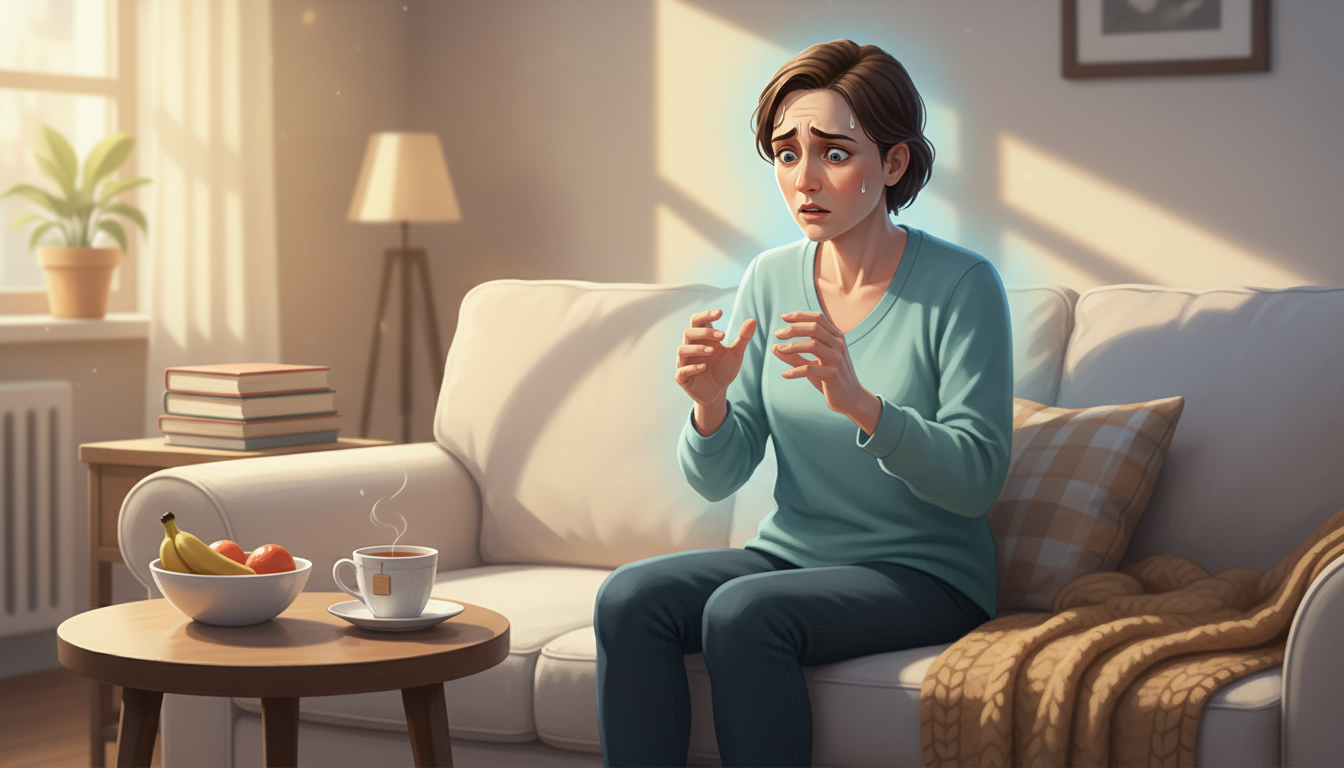
You’re minding your business, scrolling your phone or standing in line, when suddenly your body goes, “Let’s do an earthquake impression.”
Your hands tremble. Your legs feel wobbly. Maybe your heart speeds up. And then your brain, being super helpful, whispers: “Am I dying?”
Let’s slow that spiral down.
This post breaks down what that sudden shaky feeling might be, when it’s probably harmless, when it’s not, and what you can do next. It’s not a diagnosis (that’s your healthcare provider’s job), but it is a calm, clear guide so you don’t have to Google yourself into panic.
First, What Do We Mean by a “Sudden Shaky Feeling”?
People describe this a lot of different ways:
- Hands trembling or fingers shaking
- Internal shakiness, like you’re buzzing on the inside
- Legs feeling weak or wobbly
- A wave of nervous energy or “jitters”
- Body feels like it’s vibrating or humming
Sometimes it comes with:
- Fast heartbeat
- Sweaty palms
- Lightheadedness
- Weird feeling in your chest or stomach
Key point: “Shaky” can be physical, internal, emotional, or all three. You’re not weird. This is an extremely common human experience.
Common Causes of a Sudden Shaky Feeling (That Aren’t You Secretly Dying)
There are many possible explanations, and often more than one is involved. Here are some of the most common.
1. Low Blood Sugar (Hypoglycemia)
If you’ve gone too long without eating, or had a big sugary meal and then crashed later, your blood sugar can dip. That can trigger:
- Shakiness
- Sweating
- Feeling weak or faint
- Irritability (“hangry” to the max)
People with diabetes are especially familiar with this, but it can happen to anyone.
Clues it could be blood sugar:
- You haven’t eaten in several hours
- You skipped a meal
- You had caffeine on an empty stomach
- You feel better after a balanced snack (protein + carbs), like peanut butter and crackers
Quick support move: Have a small snack and some water. If you have diabetes or take medications that affect blood sugar, follow your provider’s specific plan.
2. Anxiety and Panic (Even If You Don’t “Feel Anxious”)
A lot of people say, “But I wasn’t even worried about anything!” Your body, however, can hit the fight-or-flight button automatically. That dumps adrenaline into your system, which can cause:
- Shaking or trembling
- Racing heart
- Tight chest
- Shortness of breath
- Sense of doom or “something is wrong”
This might be:
- A full panic attack
- A smaller “adrenaline surge”
- Background stress finally boiling over
Mini examples:
- You’re at work, staring at email, when suddenly your hands shake and heart races.
- You’re watching TV at night, totally chill (or so you think), and out of nowhere you feel jittery and on edge.
Anxiety can show up as physical symptoms first, with the thoughts arriving later.
Takeaway: Shaky + fast heart + sudden fear = your nervous system may be on overdrive.
3. Too Much Caffeine or Stimulants
Coffee, energy drinks, pre-workout powders, soda, strong tea, even some medications can all push your nervous system into jitter mode.
Signs it could be caffeine or stimulants:
- You had coffee or energy drinks recently or on an empty stomach
- You increased your usual dose (double espresso instead of one)
- You feel wired and tired at the same time
Other stimulants, like some decongestants, ADHD medications, or weight-loss products, can also cause tremors or shakiness.
Quick check: If your “sudden shaky feeling” tends to hit after caffeine or certain meds, that’s a big clue to bring up with your doctor.
4. Dehydration and Overheating
Being even mildly dehydrated or overheated can make you feel:
- Weak
- Lightheaded
- Shaky
- Off-balance
This can happen after:
- Exercising without enough water
- Being outside in heat
- Drinking a lot of caffeine or alcohol (both can dehydrate you)
Support move: Sip water slowly, get to a cooler place, and sit or lie down until you feel steadier.
5. Lack of Sleep
When you’re sleep-deprived, your nervous system becomes more sensitive. That can look like:
- Feeling jumpy or easily startled
- Hands shaking with effort or stress
- “Body buzzing” feeling when you’re exhausted
Sleep debt also makes anxiety, blood sugar swings, and caffeine effects all worse. It’s like turning up the volume on every other possible cause.
Takeaway: Sometimes your body isn’t being dramatic; it’s just begging you to go to bed earlier.
6. Normal Post-Exertion Adrenaline
You might get shaky after:
- Intense exercise
- A stressful event (public speaking, argument, near-miss while driving)
This can be your body burning off adrenaline. You may feel:
- Legs shaking after a tough workout or long run
- Hands trembling after a scary or emotional moment
Usually this passes in minutes to an hour.
7. Medications and Substances
Some medications and substances can cause tremors or sudden shakiness, including but not limited to:
- Certain asthma medications
- Thyroid medication (especially if dose is high)
- Some antidepressants or antipsychotics
- Withdrawal from alcohol, benzodiazepines, or other substances
If your symptoms started soon after a new medication or a dose change, that’s very important to tell your prescriber.
Takeaway: Never just stop a prescription on your own. Always check with your provider.
More Serious Causes You Should Know About (Without Panicking)
Most of the time, a sudden shaky feeling is not an emergency. But sometimes, it can be part of something that needs urgent care.
Here are some red flags to watch for.
When “Sudden Shaky Feeling” Could Be Serious
Call emergency services or seek urgent care immediately if your shaky feeling comes with:
- Chest pain or pressure
- Trouble breathing
- A feeling like you might pass out or you do pass out
- Sudden weakness or numbness in the face, arm, or leg (especially on one side)
- Trouble speaking, slurred speech, confusion, or trouble understanding others
- Sudden severe headache (“worst headache of my life”)
- High fever, stiff neck, or confusion
- Violent, uncontrollable shaking that looks like a seizure
Also seek prompt medical attention if:
- The shaking is constant and getting worse
- You notice muscle stiffness, slowed movement, or a resting tremor (like in Parkinson’s disease)
- You’ve had a recent head injury
- You have diabetes and suspect very low or very high blood sugar
Takeaway: Shaky + new serious symptoms = don’t wait it out. Get help.
Is It a Tremor, Anxiety, or Something Else?
Let’s break it down a bit more.
What Is a Tremor?
A tremor is an involuntary, rhythmic shaking of part of your body—often hands, arms, head, or voice. Some tremors:
- Happen mostly when you’re using the muscle (reaching, holding, writing)
- Happen mostly when you’re resting
Causes can range from essential tremor (a common movement disorder) to medications, thyroid issues, neurological conditions, or simply aging.
If you notice:
- Persistent shaking that doesn’t go away
- Family history of tremors
- Difficulty with tasks like writing, drinking from a glass, or using utensils
It’s worth getting evaluated by a healthcare provider.
What Does Anxiety Shakiness Feel Like?
Anxiety-related shakiness often:
- Comes in waves
- Is triggered (or worsened) by stress, social situations, or overthinking
- Comes with other anxiety symptoms (racing heart, dread, nausea)
- Improves as you calm down or distract yourself
You might feel it more inside your body than see it from the outside.
Takeaway: Persistent, pattern-based shaking = get it checked. Intermittent, situation-based shaking often points more toward anxiety or temporary triggers.
What to Do in the Moment When You Suddenly Feel Shaky
Here’s a simple, non-dramatic plan you can follow.
Step 1: Pause and Check Safety
- Sit or lie down if you’re lightheaded.
- If you’re driving, safely pull over.
Ask yourself: “Am I having any emergency red-flag symptoms?” (chest pain, trouble breathing, confusion, one-sided weakness, etc.)
If yes, seek emergency care.
If no, go to step 2.
Step 2: Check Basic Needs
Gently run through this list:
- When did I last eat?
- Have I had water today?
- Did I have caffeine, alcohol, or new meds?
- How did I sleep last night?
If you might be hungry, dehydrated, or overly caffeinated, address that first:
- Have a small, balanced snack
- Sip water
- Avoid more caffeine or alcohol for now
Step 3: Calm Your Nervous System
Even if the cause is physical (like low blood sugar), calming your nervous system can help reduce the shaky feeling.
Try:
-
Box breathing (4–4–4–4)
- Inhale through your nose for 4 seconds.
- Hold for 4 seconds.
- Exhale slowly through your mouth for 4 seconds.
- Hold empty for 4 seconds.
- Repeat for 1–3 minutes.
-
Grounding with your senses
- Name 5 things you can see
- 4 things you can feel
- 3 things you can hear
- 2 things you can smell
- 1 thing you can taste
This tells your brain, “We are here, we are safe.”
Step 4: Observe, Don’t Obsess
Instead of spiraling (“What if this is [insert worst-case scenario]?”), try narrating it like a neutral observer:
- “My hands are shaking a bit.”
- “My heart is beating faster.”
- “The feeling is strong, but I am still breathing.”
Most non-dangerous episodes of shakiness peak within minutes and slowly fade.
Takeaway: Safety first, then simple checks, then calm breathing—no need for a complex protocol.
How to Track Patterns (So Your Doctor Actually Has Useful Info)
If this isn’t a one-time thing, tracking matters.
For a week or two, jot down when you feel shaky and note:
- Time of day
- What you were doing
- What you’d eaten and drunk in the last few hours
- Sleep the night before
- Stress level (0–10)
- Any other symptoms (heart racing, sweating, dizziness, etc.)
Patterns to look for:
- Does it always happen before meals?
- After coffee or energy drinks?
- Only in social settings or high-pressure situations?
- Mostly when you’ve slept poorly?
Bring this log to your healthcare provider—it can seriously speed up figuring out what’s going on.
Takeaway: Future-you will thank present-you for writing things down.
Lifestyle Tweaks That Can Reduce Sudden Shakiness Episodes
While you should always tailor changes with a healthcare professional, these general habits often help reduce how often or how intensely that sudden shaky feeling shows up.
1. Steadier Eating Habits
- Aim for regular meals and snacks instead of long gaps.
- Include protein + complex carbs + healthy fats (for example: eggs and whole-grain toast, Greek yogurt with fruit and nuts, rice and beans, chicken with vegetables).
- Avoid huge sugar bombs on an empty stomach.
2. Smarter Caffeine Use
- Cap your caffeine if you notice jitters. For many people, staying under about 400 mg per day is advised, but some are more sensitive.
- Don’t slam energy drinks when you haven’t eaten.
- Avoid doubling your usual dose “just because it’s a rough day.”
3. Sleep Like It Actually Matters
- Aim for 7–9 hours of sleep for most adults.
- Try consistent bed and wake times.
- Keep screens dim at night and wind down with something non-stressful.
4. Basic Nervous System Care
- Gentle daily movement (walking, stretching, yoga, light strength training)
- Relaxation practices: breathing exercises, meditation, journaling, prayer, or whatever helps you downshift
- Reduce “constant threat input”: doomscrolling, nonstop bad news, constant notifications
Takeaway: Small, boring habits often do more than any fancy hack.
When to Talk to a Doctor About Your Sudden Shaky Feeling
It’s a good idea to book an appointment if:
- The shaky episodes are frequent, new, or getting worse
- They interfere with daily tasks (holding objects, writing, walking, focusing)
- You have other symptoms, like weight loss or gain, mood changes, racing heart, or feeling unusually hot or cold
- You have a medical condition like diabetes, thyroid disease, or a history of heart or neurological problems
- You’re on medications or substances that might cause tremors
Your provider might:
- Ask detailed questions about your symptoms and history
- Check your blood pressure, heart rate, and do a physical or neurological exam
- Order lab tests (like blood sugar, thyroid, electrolytes)
- Adjust medications or refer you to a specialist (neurologist, endocrinologist, psychiatrist, etc.)
Important: Only a licensed medical professional who can evaluate you directly can diagnose what’s causing your symptoms.
The Bottom Line: You’re Not Alone, and You’re Not Imagining It
A sudden shaky feeling can be scary, especially when it hits out of nowhere. But in many cases, it’s your body reacting to:
- Blood sugar swings
- Stress and anxiety
- Caffeine and stimulants
- Dehydration, lack of sleep, or overexertion
That said, don’t ignore it if:
- It’s new and intense
- It keeps happening
- It comes with other concerning symptoms
Use it as a signal—not to panic, but to pay attention, support your body, and loop in a healthcare provider when needed.
You deserve to feel steady in your own skin. And if your body’s throwing shaky plot twists at you, you don’t have to figure it out alone.
Leave a Reply