Sudden Dizziness: When It’s Scary, When It’s Not, And What To Do
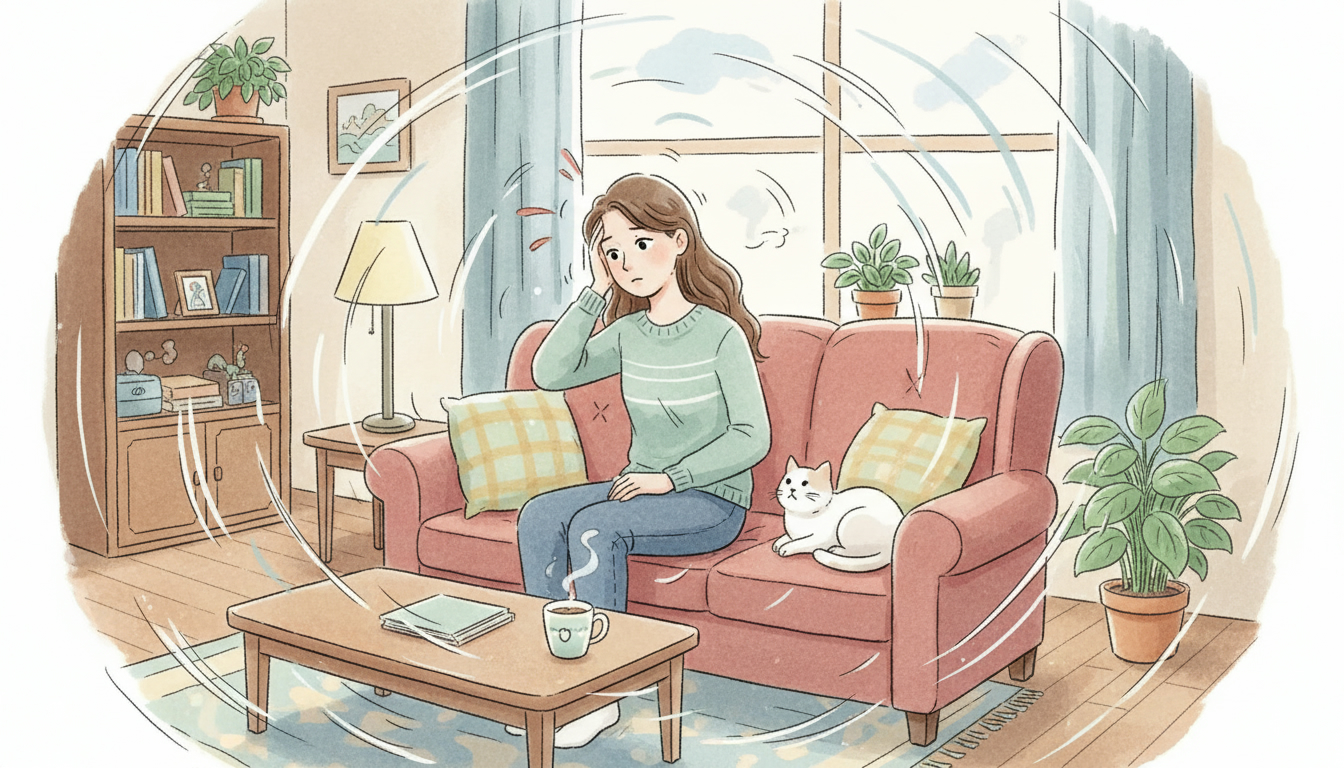
You’re standing up to grab your phone and—whoa. The room tilts, your stomach drops, and for a split second you’re wondering, “Am I about to pass out, or is this just my villain origin story?”
Sudden dizziness is one of those symptoms that feels dramatic, even when the cause is totally harmless. But sometimes, it is a red flag. Knowing the difference matters.
This guide walks through:
- What sudden dizziness actually is (and isn’t)
- Common causes (from “no big deal” to “get help now”)
- Red-flag symptoms you should not ignore
- What to do in the moment so you don’t fall or faint
- When to see a doctor vs when the ER makes more sense
Quick disclaimer: This is education, not medical advice or a diagnosis. If you’re worried—or especially if symptoms are severe or new—get checked by a healthcare professional or call emergency services.
What Counts as “Sudden Dizziness”?
People use dizzy to mean a lot of different things:
- The room is spinning (classic vertigo)
- You feel lightheaded or like you might faint
- You feel off-balance, unsteady, or “on a boat”
- You feel weirdly detached or woozy
All of these can fall under “sudden dizziness,” but they don’t all come from the same cause. Doctors usually try to sort it into a few buckets:
- Vertigo – A false sense that you or the room are spinning or moving.
- Presyncope – Feeling like you might pass out, but you don’t (often from blood pressure or heart issues).
- Balance problems – Feeling unsteady, veering to one side.
- Non-specific lightheadedness – Hard-to-describe “woozy” feeling (can be related to anxiety, dehydration, etc.).
Takeaway: The more clearly you can describe what you feel, the easier it is for a doctor to figure out why you feel it.
Common, Often Harmless Causes of Sudden Dizziness
There are many reasons for dizziness that are scary in the moment but often treatable or benign.
1. Standing Up Too Fast (Blood Pressure Drop)
Ever stand up and feel your vision dim or your head go swimmy for a second? That’s often orthostatic hypotension—a quick drop in blood pressure when you change positions.
It’s more likely if:
- You’re dehydrated
- You’ve skipped meals
- You’re taking certain meds (like blood pressure medicines, diuretics, some antidepressants)
- You’ve been lying or sitting still for a long time
Usually it passes in a few seconds once your body catches up.
What helps:
- Stand up slowly, especially from bed
- Drink enough fluids
- Mention it to your doctor, especially if it’s frequent, causes falls, or you’re on meds
Takeaway: A brief head rush when you stand up is common. If it’s frequent or worsening, don’t ignore it.
2. Inner Ear Issues and Vertigo
Your inner ear has tiny structures that help you balance. When they’re irritated or disrupted, vertigo can hit suddenly.
Benign Paroxysmal Positional Vertigo (BPPV)
This is one of the most common causes of sudden spinning dizziness. It happens when tiny crystals in your inner ear get out of place.
Clues it might be BPPV:
- Sudden, brief spinning triggered by rolling over in bed, looking up, or bending down
- Episodes last seconds to a minute
- You may feel nauseated, but you’re usually okay between episodes
BPPV is often treated with specific head-positioning maneuvers (like the Epley maneuver) that a clinician can guide you through.
Other Inner Ear Causes
- Vestibular neuritis – Inflammation of the balance nerve, often after a virus; can cause sudden, severe vertigo, nausea, trouble walking.
- Labyrinthitis – Similar, but includes hearing loss or ringing in the ear.
Takeaway: If the room is spinning—especially with head movement—think inner ear. But still get evaluated, especially if it’s intense or new.
3. Dehydration, Heat, and Low Blood Sugar
Your brain is picky. It wants oxygen, fluid, and glucose (sugar) running on time.
You might feel suddenly dizzy if:
- You haven’t been drinking much water (or you’ve been sweating a lot)
- You haven’t eaten in many hours
- You’ve had alcohol (which can dehydrate and drop blood pressure)
Common clues include dry mouth, dark urine, or not peeing much (dehydration), and shakiness, hunger, irritability, or sweating (low blood sugar).
What helps:
- Hydrate with water or an electrolyte drink
- Eat something with a mix of carbs and protein
- Avoid overdoing caffeine or alcohol
Takeaway: Sometimes your body isn’t “mysteriously failing”—it’s just under-fueled or dried out.
4. Anxiety and Panic Attacks
Sudden dizziness is a very common symptom of anxiety and panic.
When you’re anxious, you may:
- Start breathing faster (hyperventilating), which changes carbon dioxide levels in your blood and makes you feel lightheaded
- Become hyper-aware of normal bodily sensations
- Feel detached, unreal, or “floaty”
You might also notice:
- Racing heart
- Chest tightness
- Tingling in hands or feet
- Sense of doom (the classic panic attack drama)
What helps (in the moment):
- Slow, controlled breathing (for example, inhale 4 seconds, exhale 6 seconds)
- Grounding techniques (name 5 things you see, 4 you can touch, 3 you hear, etc.)
- Steady, non-aggressive movement like walking, if safe
Takeaway: Anxiety-related dizziness feels very real, and it is real. But the underlying cause is different from heart or brain disease. Still, new or severe symptoms deserve a medical check.
5. Medications and Substances
Many medications list dizziness as a side effect, including:
- Blood pressure meds
- Diuretics (water pills)
- Some antidepressants or anti-anxiety meds
- Sedatives, sleeping pills, pain meds
Alcohol, cannabis, and certain recreational drugs can also trigger dizziness—especially when combined with meds or dehydration.
Takeaway: If your sudden dizziness started soon after a new medication, dose change, or substance use, mention that timing to your doctor or pharmacist.
More Serious Causes of Sudden Dizziness (Don’t Ignore These)
Most dizziness isn’t life-threatening. But sometimes, it’s a warning sign.
1. Stroke or TIA (Mini-Stroke)
Dizziness alone is rarely a stroke. What worries doctors is dizziness plus other neurological symptoms, such as:
- Sudden trouble speaking or understanding
- Face drooping on one side
- Weakness or numbness in face, arm, or leg, especially on one side
- Sudden trouble walking, severe imbalance, or inability to stand
- Sudden double vision or vision loss
- A “worst-ever” headache, especially if sudden
If there’s any suspicion of stroke, emergency evaluation is critical because some treatments are time-sensitive.
Takeaway: Sudden dizziness plus trouble talking, walking, seeing, or moving one side of the body means you should call emergency services immediately.
2. Heart Rhythm Problems or Serious Heart Issues
Your brain needs steady blood flow. If your heart is beating too fast, too slow, or irregularly, you may feel:
- Sudden lightheadedness or feeling about to faint
- Chest pain or pressure
- Shortness of breath
- Palpitations (feeling your heart racing, pounding, or skipping)
Sometimes people actually lose consciousness (syncope).
Takeaway: Dizziness plus chest pain, shortness of breath, or fainting is not a “wait and see until next week” situation. You should be evaluated urgently.
3. Severe Infections, Anemia, or Other Systemic Illness
Your body is a system. If something big is off—like a major infection, very low red blood cells (anemia), or blood loss—dizziness can be part of the picture.
Other clues include:
- Fever, chills, or feeling very unwell
- Pale skin, extreme fatigue, or rapid heartbeat (possible anemia)
- Black, bloody, or tarry stools; vomiting blood; heavy menstrual bleeding
Takeaway: If dizziness shows up in the middle of “I feel seriously sick,” don’t focus only on the dizziness—look at the whole picture and seek care.
Red-Flag Symptoms: When Sudden Dizziness Is an Emergency
If any of these are present, seek emergency care (call 911 in the U.S. or your local emergency number):
- Sudden dizziness with weakness, numbness, trouble speaking, or facial droop
- Sudden dizziness with chest pain, shortness of breath, or fainting
- Sudden, severe headache (“thunderclap” or worst of your life) with dizziness
- Dizziness after a head injury, especially with vomiting, confusion, or vision changes
- Inability to stand or walk without falling
- New dizziness with double vision, severe unsteadiness, or trouble coordinating movements
Takeaway: If you’re debating, “Is this ER-worthy?” that alone is a sign to at least call a nurse advice line, urgent care, or emergency services for guidance.
What to Do Right Now If You Feel Suddenly Dizzy
If you’re currently dizzy while reading this, pause and do this safely:
- Sit or lie down immediately. Don’t try to power through—it’s how people fall and get injured.
- Anchor yourself. If seated, plant your feet, hold onto something stable, and rest your head. If you’re lying down, try on your side in case you vomit.
- Focus on breathing. Inhale through your nose for about 4 seconds, exhale gently through your mouth for about 6 seconds.
- Scan for red flags. Ask yourself:
- Can I talk normally?
- Is one side of my face or body weak or numb?
- Do I have chest pain, trouble breathing, or a severe headache?
- Can I stand and walk without falling?
- Hydrate, if appropriate. If you’re able to drink safely and not nauseated, small sips of water can help if dehydration is a factor.
- Don’t drive yourself if you’re feeling very dizzy. Get help from someone else or call emergency services or a ride if you need urgent evaluation.
Takeaway: Safety first. Preventing a fall or accident is step one, before you start searching for symptoms.
When Should You See a Doctor About Sudden Dizziness?
Not every dizzy spell needs the ER, but repeated or unexplained episodes should be checked.
Consider making an appointment (or going to urgent care) if:
- You’ve had more than one episode of sudden dizziness, even if it goes away
- It interferes with driving, work, or daily life
- You notice triggers (like turning your head, certain positions) and it keeps happening
- You’re on multiple meds, and dizziness is new since starting or changing them
- You have other conditions (heart disease, diabetes, high blood pressure) and aren’t sure what’s causing it
What a clinician might do:
- Ask detailed questions about your dizziness (onset, triggers, length of episodes)
- Check your blood pressure sitting and standing
- Listen to your heart and lungs
- Do a neurologic exam, balance tests, and possibly inner-ear maneuvers
- Order blood tests, heart tests (like ECG), or imaging if needed
Takeaway: Even if it turns out to be something simple, it’s better to know than to wonder.
How to Describe Your Dizziness So Your Doctor Can Actually Help
“Doc, I feel weird” is relatable—but not super helpful.
Before your visit, jot down:
- What it feels like – Spinning? Lightheaded? About to faint? Off-balance?
- When it happens – Only when standing up? When rolling in bed? Randomly?
- How long it lasts – Seconds? Minutes? Hours? Constant but worse with movement?
- What else comes with it, such as:
- Nausea or vomiting
- Headache
- Ringing in ears or hearing loss
- Chest pain or palpitations
- Weakness, numbness, vision changes
- What you were doing right before – Exercising, in a hot environment, not eating, high stress, new medication, and so on.
Takeaway: The clearer your story, the less your doctor has to guess—and the faster you can get answers.
Can You Prevent Sudden Dizziness?
Not always. But you can reduce common triggers:
- Stay hydrated. Especially in heat or when active.
- Don’t skip meals. Keep snacks with protein and carbs handy.
- Stand up slowly. Particularly first thing in the morning.
- Limit alcohol and be cautious with mixing substances and meds.
- Manage anxiety. Therapy, breathing exercises, movement, and sometimes medication can all help.
- Take meds as prescribed. And ask about dizziness as a side effect.
If you have a known condition like BPPV, your clinician might show you specific maneuvers to help manage future episodes.
Takeaway: You can’t control everything, but you’re not totally at the mercy of your inner ear, either.
The Bottom Line on Sudden Dizziness
Sudden dizziness can mean anything from “you stood up too fast” to “you need emergency care right now.” The key is context:
- Mild, brief, and clearly triggered (like position change or dehydration) is often less serious, but still worth mentioning if it repeats.
- Sudden, severe, or paired with other symptoms (trouble speaking, chest pain, weakness, vision changes, fainting) means you should get urgent medical help.
If something feels off in a way you can’t shake—especially if this is new for you—trust that feeling enough to talk to a professional.
You don’t have to become an expert in neurology, cardiology, and inner-ear anatomy overnight. You just need to know the basics, protect yourself in the moment, and ask for help when the story doesn’t feel like “just a head rush.”
If you’re worried about a specific episode you’ve had recently, your next best step is simple: write down what happened, including timing and symptoms, and schedule an appointment—or, if there are red flags, seek emergency care.
Leave a Reply