Category: Vitals & Numbers Explained

blood pressure, heart rate, oxygen level, resting HR changes

  • Is A Heart Rate Of 110 Dangerous?

    Is A Heart Rate Of 110 Dangerous?

    Is a Heart Rate of 110 Dangerous?

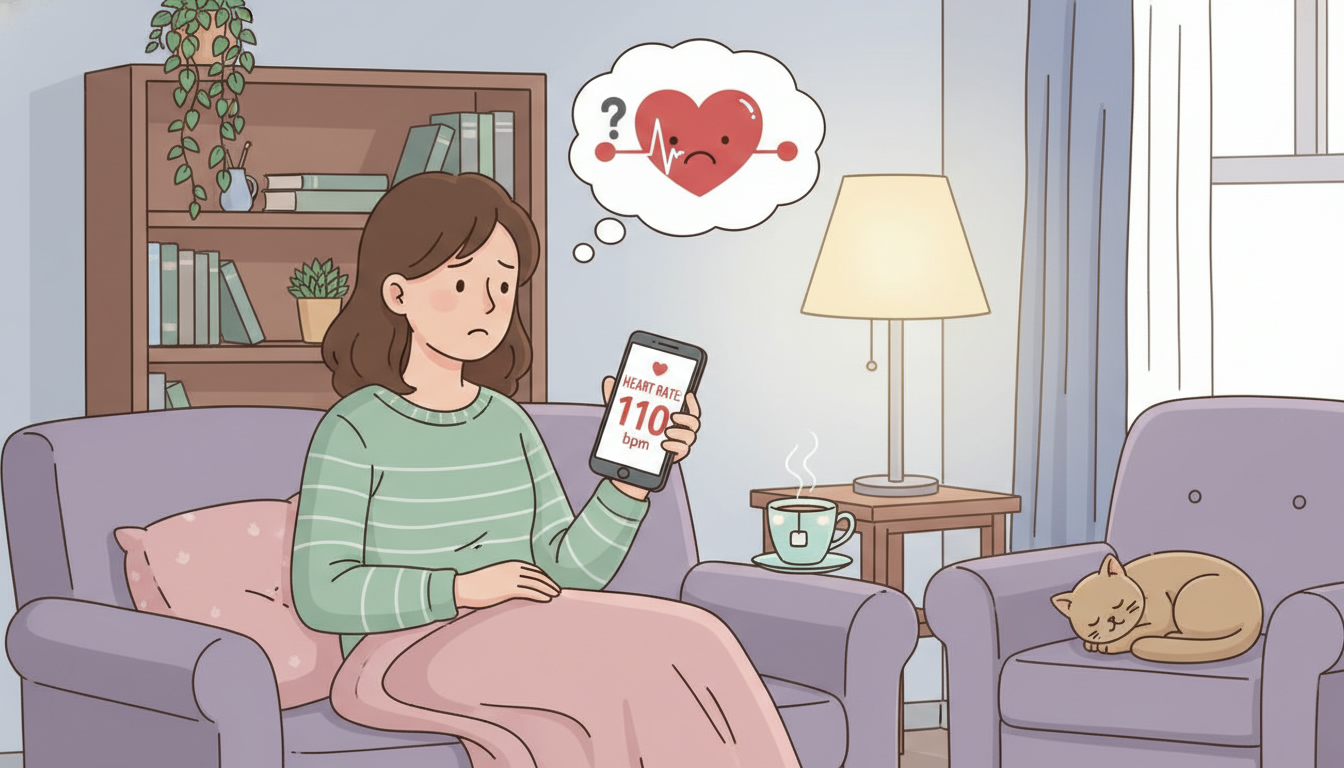
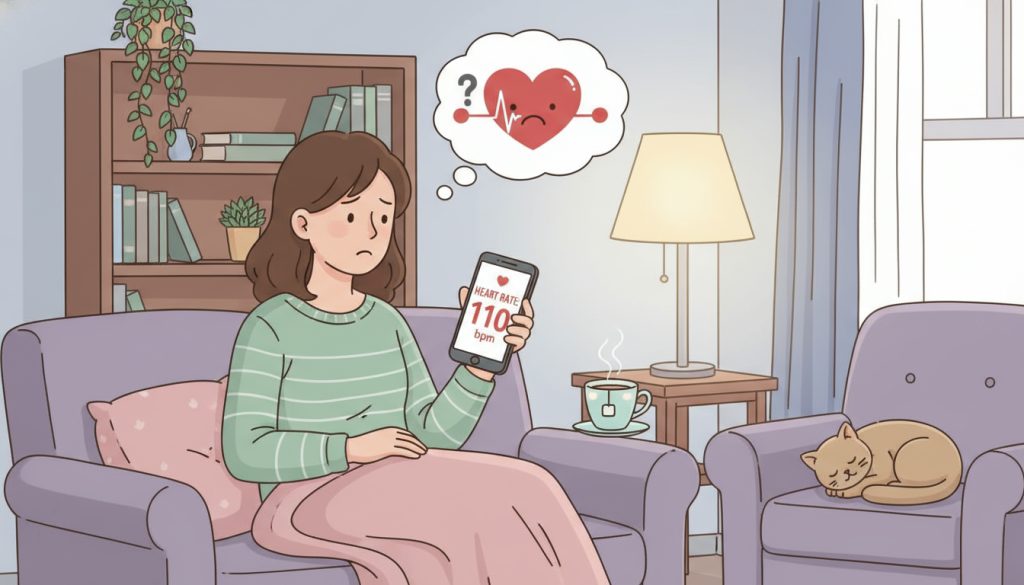
    You glance at your smartwatch, see a heart rate of 110, and suddenly your heart rate jumps even higher. Relatable.

    So let’s tackle the big question head-on: is a heart rate of 110 dangerous… or just your body doing its thing?

    Quick Answer: Is a Heart Rate of 110 Dangerous?

    Sometimes it’s perfectly normal. Sometimes it’s a red flag. Context is everything.

    For most healthy adults, a normal resting heart rate is usually 60–100 beats per minute (bpm), according to major heart organizations like the American Heart Association.

    So:

    • 110 bpm while resting and feeling unwell? That’s worth a call to a doctor or urgent care.
    • 110 bpm while walking, climbing stairs, anxious, or drinking coffee? Often normal.
    • 110 bpm plus chest pain, trouble breathing, or feeling like you might pass out? That’s an emergency — call 911.

    Takeaway: 110 isn’t automatically “dangerous,” but it absolutely isn’t something to ignore if it’s at rest, persistent, or paired with concerning symptoms.

    What Exactly Is Heart Rate?

    Your heart rate is simply how many times your heart beats in one minute.

    • Resting heart rate: When you’re sitting or lying quietly, not stressed, not right after exercise.
    • Active heart rate: When you’re moving, exercising, stressed, or excited.

    Most guides consider a resting heart rate of 60–100 bpm typical for adults. Many healthy, fit people have resting heart rates closer to 50–60. Kids and teens have higher normal ranges.

    So where does 110 fit in?

    • At rest, 110 is above the normal range for most adults.
    • With activity or stress, 110 can be completely normal.

    Takeaway: Don’t judge 110 in isolation. Judge it based on what you’re doing and how you feel.

    The Big Distinction: 110 at Rest vs. 110 With Activity

    1. Heart Rate 110 While Resting

    If your heart rate is around 110 bpm while you’re sitting or lying down, this is called tachycardia (fast heart rate) in medical terms — generally defined as a resting heart rate above 100 bpm in adults.

    Common non-emergency reasons this might happen:

    • Anxiety or panic
    • Dehydration
    • Fever or infection
    • Caffeine, nicotine, energy drinks, some cold medicines
    • Pain
    • Lack of sleep

    More serious possible causes include:

    • Anemia (low red blood cell count)
    • Heart rhythm problems (arrhythmias)
    • Thyroid problems (especially overactive thyroid)
    • Heart or lung conditions

    You cannot diagnose the cause just by looking at the number. But you can use the number as a prompt to check in with your body and, if needed, a professional.

    When 110 at rest is more concerning:

    Call a doctor, urgent care, or nurse line the same day if:

    • Your resting heart rate stays above 100–110 bpm for hours without obvious reason (like anxiety or just finished exercising), or
    • You feel dizzy, weak, unusually tired, or “off”.

    Go to the ER or call 911 if the fast heart rate is combined with:

    • Chest pain or pressure
    • Shortness of breath or trouble breathing
    • Fainting or feeling like you might pass out
    • Severe palpitations (heart pounding, racing, or skipping that really scares you)

    Takeaway: Resting heart rate of 110 isn’t automatically a disaster, but it is a “let’s pay attention now” sign.

    2. Heart Rate 110 During Movement or Exercise

    If you’re walking briskly, climbing stairs, cleaning the house actively, or feeling stressed or emotional, a heart rate around 100–130 bpm can be pretty normal for many adults.

    During intentional exercise, it’s expected for your heart rate to climb much higher than 110, especially if you’re younger or pushing yourself.

    Many fitness guidelines use a “target heart rate zone,” often about 50–85% of your estimated max heart rate, which is roughly 220 minus your age.

    Example:

    • Age 40 → estimated max heart rate ≈ 180
    • 50–85% of that is 90–153 bpm
    • So 110 bpm during a light jog or fast walk? Very normal.

    Takeaway: 110 bpm is usually not dangerous during mild-to-moderate activity if you feel okay.

    What If Your Heart Rate Is 110 While Sleeping or Waking Up?

    This is where people often get spooked by smartwatch data.

    If your tracker shows you hovering near 110 while you’re supposedly resting or sleeping, a few options:

    1. The data might be off. Wrist-based sensors can misread if the watch is loose, you’re moving, or the device glitches.
    2. You might not be as “rested” as you think. Nightmares, stress, pain, fever, or restless movement can all raise heart rate.
    3. It could reflect a real issue like infection, anemia, or heart rhythm problems — especially if it’s a pattern.

    If this is a one-time weird spike, note it and move on.

    If you notice a pattern of high resting heart rate (like 100–120 at rest or overnight many nights in a row), that’s worth bringing to a doctor with screenshots or logs.

    Takeaway: One strange high reading in the middle of the night isn’t an emergency. Repeated nights in that range deserve medical attention.

    Is 110 a Dangerous Heart Rate for Children or Teens?

    Kids naturally have higher normal heart rates than adults.

    Very broad ballpark resting ranges (approximations):

    • Newborns/infants: often 100–160 bpm
    • Toddlers/young kids: commonly 80–130 bpm
    • Older kids/teens: often 70–110 bpm

    So for a young child, a heart rate of 110 while awake and a little active can be totally normal.

    More concerning signs in a child include:

    • 110 while limp, very tired, or struggling to breathe
    • Paired with blue lips, chest pain, or fainting

    In those cases, seek urgent medical care.

    Takeaway: 110 can be normal in kids, but the behavior and symptoms matter more than the number.

    Common Causes of a Heart Rate of 110

    Here are some everyday reasons your heart rate might hit around 110 that are not automatically dangerous:

    • You just climbed stairs.
    • You’re anxious, stressed, or having a panic attack.
    • You had an energy drink, strong coffee, or a pre-workout.
    • You’re dehydrated (not enough fluids, hot day, sweating a lot).
    • You’re sick with a cold, flu, or COVID and have a fever.
    • You’re in pain (headache, injury, cramps, etc.).

    More medical causes that need evaluation:

    • Anemia (low red blood cells)
    • Thyroid problems (hyperthyroidism)
    • Heart rhythm issues (like atrial fibrillation or SVT)
    • Heart disease or heart failure
    • Lung problems (asthma flare, pulmonary embolism, pneumonia, etc.)

    You cannot reliably self-sort these without a medical professional, but you can ask: “Do I feel mostly okay, or really not okay?”

    Takeaway: A heart rate of 110 is a symptom, not a verdict. The “why” is what matters.

    How to Check Your Heart Rate Correctly

    If you see a number that scares you, first make sure it’s even accurate.

    1. Sit down and relax for a few minutes. Give yourself 3–5 minutes of quiet, slow breathing.

    2. Use a manual pulse check:

    • Place two fingers (not your thumb) on the inside of your wrist (thumb side) or on the side of your neck.
    • Count beats for 30 seconds and multiply by 2.

    If it’s still around 110 at rest, that’s more meaningful than a single smartwatch blip.

    3. Watch for rhythm, not just speed. Does it feel steady (thump-thump-thump) or chaotic and irregular? An irregular rhythm deserves quicker medical attention.

    Takeaway: Verify the number before spiraling into panic.

    When Should You Be Worried About a Heart Rate of 110?

    Use this as a general, non-medical guide (not a diagnosis):

    Less Urgent, but Call Your Doctor Soon

    • Resting heart rate is consistently above 100–110 over and over without obvious explanation.
    • You feel more tired than usual, short of breath with minimal activity, or just “not right.”
    • You’ve had recent illness, new medications, or major stress.

    Urgent: Get Seen Now (ER/911)

    A heart rate around 110 (or higher) plus any of these:

    • Chest pain, pressure, or squeezing
    • Shortness of breath at rest or with very light activity
    • Fainting, near-fainting, or confusion
    • Sweating heavily, feeling very weak or “about to die”
    • Sudden, pounding heart rate that started out of nowhere and won’t slow down

    Takeaway: The number 110 is less important than the full picture of symptoms, how suddenly it started, and whether it’s ongoing.

    Practical Steps If Your Heart Rate Is 110 and You’re Worried

    If you’re not in immediate crisis but feeling uneasy, try this:

    1. Pause and breathe
      • Sit or lie down.
      • Inhale through your nose for 4 seconds, exhale slowly for 6–8 seconds.
      • Do this for a few minutes.
    2. Hydrate
      • Drink water (especially if you’ve had caffeine, alcohol, heat exposure, or sweating).
    3. Cool down
      • If you just exercised, give your body at least 10–15 minutes to wind down.
    4. Re-check your heart rate
      • Manually or with a device after 5–10 minutes of rest.
    5. Call a medical professional if it stays high
      • If it’s still above 100–110 at rest and you feel off, call your doctor, an urgent care clinic, or a nurse advice line.
    6. Seek emergency care for serious symptoms
      • Chest pain, trouble breathing, or fainting = ER/911.

    Takeaway: You’re not powerless here. A few simple steps can calm both your heart and your mind.

    How to Talk to Your Doctor About a Heart Rate of 110

    To make your visit (or telehealth call) more useful, track:

    • When you notice the 110+ readings (time of day, what you were doing)
    • How long they last (minutes? hours?)
    • Symptoms you feel with them (dizziness, chest discomfort, anxiety, etc.)
    • Medications, caffeine, alcohol, supplements, or energy drinks you use
    • Any fitness tracker logs or screenshots

    Bring this information in. It gives your provider a far clearer picture than “My watch said 110 and I freaked out.”

    Takeaway: Data plus symptoms = better answers, faster.

    So… Is a Heart Rate of 110 Dangerous?

    Here’s the bottom line:

    • 110 with activity or mild stress and you otherwise feel fine? Often normal.
    • 110 at true rest, especially if it’s persistent or new for you? Needs medical attention (not necessarily an ER, but don’t ignore it).
    • 110 with scary symptoms like chest pain, breathing trouble, or fainting? Treat it as an emergency.

    Your heart rate is a clue, not a sentence.

    If this is bothering you enough that you’re reading about it, it’s worth at least a quick check-in with a healthcare professional. You deserve peace of mind — not a permanent tab open to “is heart rate 110 dangerous?”

    Important note: This article is for general information only and isn’t a substitute for professional medical advice, diagnosis, or treatment. If you’re worried about your heart or feeling unwell, please contact a healthcare provider or emergency services right away.
  • Is A Heart Rate Of 120 Dangerous?

    Is A Heart Rate Of 120 Dangerous?

    Is a Heart Rate of 120 Dangerous?

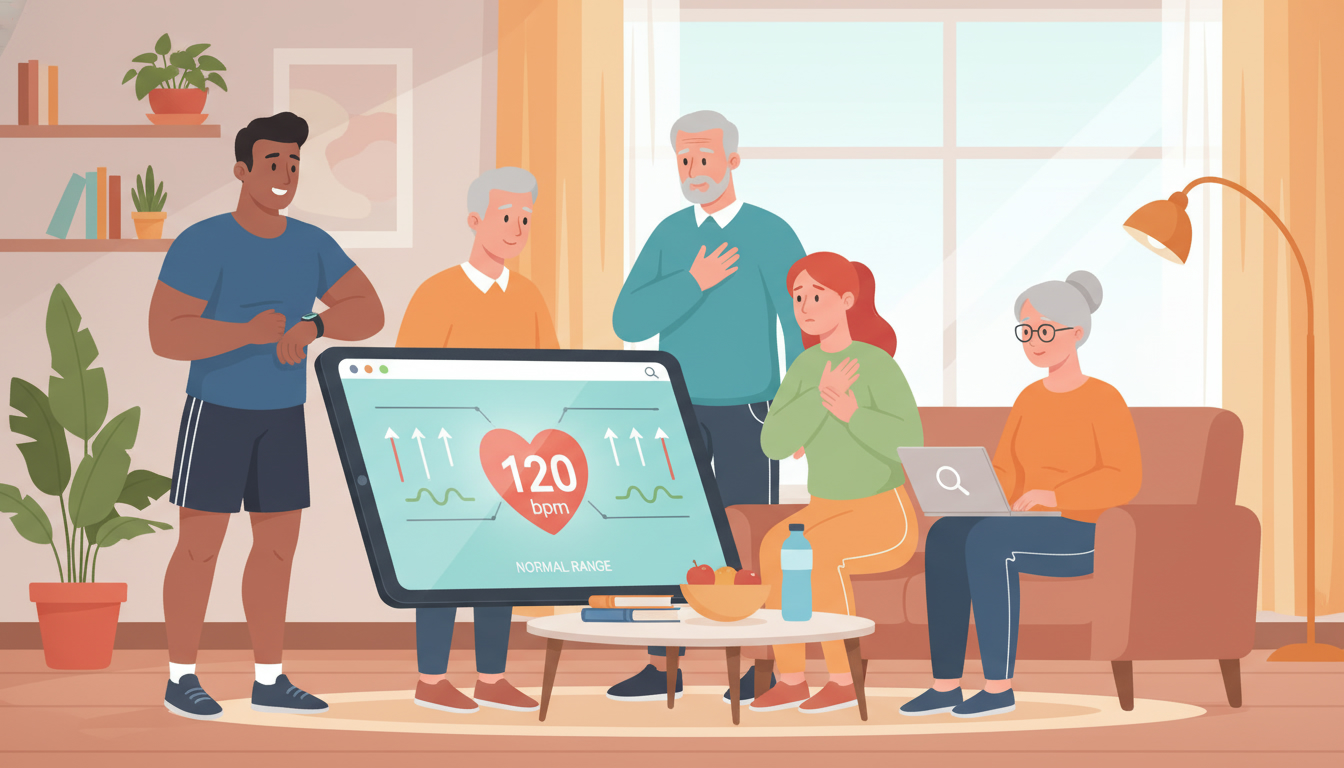
    You look down at your smartwatch. Heart rate: 120 beats per minute. You are sitting on the couch. Cue the internal monologue: “Am I dying or is my watch just being dramatic?”

    Here is what a heart rate of 120 really means, when it is normal, when it is a red flag, and what to do next, without turning you into a doom-scroller.

    Quick answer: Is a heart rate of 120 dangerous?

    Sometimes. A heart rate of 120 beats per minute (bpm) can be:

    • Totally normal during exercise, excitement, or stress.
    • A concern if you are sitting still, feel unwell, or if it happens often.
    • An emergency if it comes with serious symptoms like chest pain, fainting, trouble breathing, or confusion.

    Most adults at rest have a heart rate between 60–100 bpm. A resting heart rate consistently above 100 bpm is called tachycardia (fast heart rate).

    Takeaway: 120 bpm is not automatically dangerous, but context and symptoms matter a lot.

    First, what exactly is heart rate?

    Heart rate is how many times your heart beats in one minute. It changes all day based on what your body is doing and how it feels.

    Heart rate goes up with:

    • Exercise or physical activity
    • Stress, anxiety, or panic
    • Fever or illness
    • Dehydration
    • Caffeine, nicotine, some medications, and certain drugs

    Heart rate tends to go down when you are:

    • Asleep
    • Relaxed and calm
    • Very physically fit (athletes often have lower resting heart rates)

    Takeaway: Your heart rate is supposed to be flexible. A single number like 120 only makes sense when you add the full story around it.

    When is a heart rate of 120 normal?

    1. During exercise

    If you are walking briskly, climbing stairs, doing cardio, or lifting weights, a heart rate of 120 bpm is usually normal for many adults.

    Your target heart rate zone for moderate exercise is often around 50–70% of your maximum heart rate. A simple rough estimate for max heart rate is:

    220 – your age

    So if you are 40 years old:

    • Estimated max heart rate ≈ 180 bpm
    • 50–70% of that ≈ 90–126 bpm

    In that case, 120 bpm during a workout is in the expected range.

    Example:

    • You are 35
    • You are on a brisk walk or light jog
    • Your watch shows 118–125 bpm
    • You are breathing a bit faster but can still talk in short sentences

    That is likely normal exercise heart rate, not an emergency.

    Mini takeaway: During physical activity, 120 is often a good sign your heart is responding as it should.

    2. When you are excited, scared, or stressed

    Your heart does not only respond to treadmill miles. It responds to emotions.

    Moments that can push you toward 120 bpm include:

    • Public speaking
    • A jump scare in a horror movie
    • A stressful argument
    • A panic attack or surge of anxiety

    This is your fight-or-flight system kicking in. Your body releases adrenaline, your heart speeds up, and your muscles get ready for action, even if the only action is scrolling on the couch.

    If your heart rate settles back down once you calm down, that is usually okay.

    Mini takeaway: A heart rate of 120 during big emotions is usually your nervous system being dramatic, not instantly dangerous.

    3. In kids and teenagers

    If you are searching this for your child, higher heart rates are normal in kids.

    • Babies and toddlers often have resting heart rates well over 100 bpm.
    • Young children and sometimes teens can hit 120 bpm with mild activity or excitement.

    What is normal depends heavily on age, activity level, and whether they feel well.

    Important: If your child has a heart rate around 120 while resting, especially with symptoms (fever, breathing problems, looking very ill, floppy, or unresponsive), contact a pediatrician or urgent care right away.

    Mini takeaway: For kids, 120 bpm is not automatically scary, but if they are at rest and look or act sick, get medical advice quickly.

    When is a heart rate of 120 not normal?

    1. 120 bpm while truly resting

    If you are sitting, lying down, or doing something light like reading or watching TV, and your heart rate is 120 bpm and staying there, that is not typical for most healthy adults.

    This resting fast rate, especially if it:

    • Happens often
    • Appears out of nowhere
    • Does not drop after a few minutes of rest

    should be discussed with a healthcare professional.

    Possible causes can include (not an exhaustive list):

    • Fever or infection
    • Dehydration
    • Anemia (low red blood cells)
    • Thyroid problems (overactive thyroid)
    • Heart rhythm issues (arrhythmias)
    • Side effects of medications or stimulants

    Only a clinician who can examine you and review your history can sort out which, if any, apply to you.

    Mini takeaway: A resting heart rate of 120 is not automatically dangerous, but it is a “please talk to a doctor” situation, not a “ignore it for months” situation.

    2. 120 bpm plus worrying symptoms

    The number matters less than how you feel.

    Seek emergency care (call 911 or your local emergency number) if a fast heart rate (around 120 or higher) comes with:

    • Chest pain or pressure
    • Trouble breathing or feeling like you cannot get enough air
    • Fainting or almost fainting
    • Sudden, severe dizziness
    • Confusion, trouble speaking, or weakness in face, arms, or legs
    • Sweating heavily with a feeling that something is very wrong

    These can be signs of serious heart or medical problems.

    Mini takeaway: Fast heart plus scary symptoms means do not wait it out. Get urgent help.

    3. 120 bpm that feels like pounding, fluttering, or skipping

    If your heart rate is 120 and it also feels:

    • Like it is racing out of your chest
    • Like fluttering or “flip-flopping”
    • Like it is irregular (fast, then slow, then a pause)

    you might be feeling palpitations. These can be harmless, but they can also signal a rhythm issue like atrial fibrillation or supraventricular tachycardia (SVT).

    These conditions are common and often treatable, but they do require medical evaluation.

    Mini takeaway: A fast, strange-feeling heartbeat deserves real-life, human medical attention, not just another search.

    How accurate is your watch or fitness tracker at 120 bpm?

    Sometimes the drama is not your heart. It is your device.

    Common issues that can make your heart rate reading wrong or jumpy include:

    • Loose or very tight strap
    • Cold hands or poor circulation
    • Rapid movement of your wrist
    • Tattoos under the sensor
    • Sweat, lotion, or dirt on the sensor

    What you can do:

    1. Tighten and reposition the band (snug, but not painful).
    2. Clean the back of the device and your skin.
    3. Compare with a manual pulse check:
      • Place two fingers on your wrist or side of your neck.
      • Count beats for 30 seconds and multiply by 2.

    If your watch says 120 but your finger count says 80, trust your actual pulse more than the gadget.

    Mini takeaway: Check your heart, not just your hardware.

    What should you do if you see 120 bpm?

    Here is what to consider in different situations.

    Scenario 1: You are exercising

    • Ask: “Do I feel okay?”
    • Mild shortness of breath and faster breathing can be normal.
    • If you feel good, 120 bpm is often a normal workout number.

    But stop and rest if:

    • You feel chest pain, tightness, or pressure
    • You get very dizzy or lightheaded
    • You feel like you might pass out
    • Your heart rate seems unusually high for the effort

    If symptoms do not quickly improve with rest, seek urgent care.

    Scenario 2: You are sitting or lying down

    1. Stay calm. Anxiety can push 120 even higher.
    2. Sit or lie down comfortably.
    3. Take slow, deep breaths for a few minutes:
      • In through your nose for 4 seconds
      • Hold for 2 seconds
      • Out through your mouth for 6 seconds
    4. Re-check your heart rate after 3–5 minutes.

    Then:

    • If it drops below 100 and you feel fine, keep an eye on it, but it may have been a brief response to stress, caffeine, or similar triggers.
    • If it stays around 120 or higher at rest, call your doctor or a nurse advice line the same day to ask what to do.

    Get immediate help (ER or 911) if at rest 120+ comes with:

    • Chest pain, pressure, or discomfort
    • Trouble breathing
    • Fainting, near-fainting, or severe dizziness
    • New confusion, trouble speaking, or weakness

    Scenario 3: It happens often

    If you regularly see resting heart rates around 110–130:

    • Track it for a week:
      • Time of day
      • What you were doing
      • Symptoms (dizzy, short of breath, chest discomfort, anxious, etc.)
    • Make an appointment with a healthcare professional and bring:
      • Your log
      • Medication list (including supplements, caffeine and energy drinks)
      • Your wearable data screenshots if you have them

    They may recommend:

    • Blood tests (check anemia, thyroid, infection, etc.)
    • An ECG (electrocardiogram)
    • A heart monitor you wear at home for a few days

    Mini takeaway: Repeated unexplained 120s at rest are exactly the kind of thing doctors are there to help with.

    What can you do to support a healthier heart rate over time?

    Only a clinician can diagnose or treat a specific problem, but there are general habits that help many people:

    • Stay hydrated. Dehydration can raise heart rate.
    • Watch caffeine and stimulants. Coffee, energy drinks, pre-workout, nicotine, and some cold medicines can speed things up.
    • Sleep better. Poor or fragmented sleep can boost resting heart rate and stress hormones.
    • Move regularly. Regular exercise can, over time, lower your resting heart rate.
    • Manage stress. Breathing exercises, mindfulness, therapy, and social support can help calm your nervous system.
    • Follow medical advice if you have conditions like thyroid disease, anemia, or heart disease.

    Mini takeaway: You cannot control every beat, but you can influence the overall rhythm of your health.

    So, is a heart rate of 120 dangerous?

    A heart rate of 120 bpm is more of a question than an answer:

    • During exercise or strong emotion? Often normal.
    • At rest, no symptoms, rare? Worth watching.
    • At rest, frequent, or you feel unwell? Worth a medical evaluation.
    • With chest pain, trouble breathing, fainting, confusion, or a feeling of severe illness? Treat as a medical emergency.

    This article is not a diagnosis and it cannot replace in-person medical evaluation. If something feels seriously wrong, it is always better to get checked than to regret waiting.

    Bottom line: A heart rate of 120 can be totally normal or a sign your body needs help. Listen to the number, but listen to your symptoms and your gut even more.

    If you are worried enough to be reading this, you are not being dramatic. You are being responsible. Reach out to a healthcare professional and let them help you figure out what your heart is trying to say.

  • Is 95 Oxygen Level OK?

    Is 95 Oxygen Level OK?

    Is 95 Oxygen Level OK?

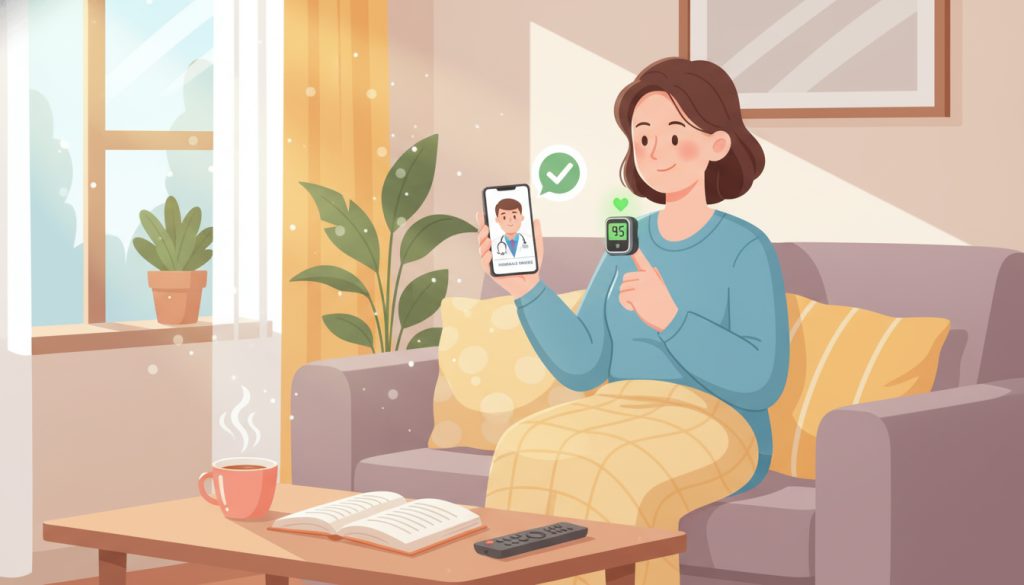
    You check your pulse oximeter, see 95%, and your brain immediately goes: “Is 95 oxygen level OK… or am I supposed to freak out now?”

    Let’s calm that mental siren down and walk through what 95% actually means, when it’s normal, and when it’s a sign to call a doctor.

    Quick spoiler: For many people, a 95 oxygen level can be perfectly fine — but context matters.

    What Does an Oxygen Level of 95% Actually Mean?

    Most home devices measure SpO₂, or oxygen saturation. It’s the percentage of your red blood cells that are carrying oxygen.

    • Normal SpO₂ for most healthy adults is typically 95–100%.
    • Many doctors start to get concerned when levels are consistently below 92–94%, especially with symptoms.

    So on paper, 95% is usually within the normal range for most adults. But the keyword here is: usually.

    Takeaway: A single reading of 95% oxygen in an otherwise healthy person is often okay — but it’s not the whole story.

    Is Oxygen Level 95 OK for a Healthy Adult?

    In many cases, yes.

    If you’re generally healthy, sitting or resting, breathing comfortably, and not dizzy, confused, or gasping for air, then a SpO₂ of 95% is commonly considered normal.

    Medical references generally describe 95–100% as the expected range in healthy adults at sea level, with anything below about 90% considered low enough to be called hypoxemia (low blood oxygen) and needing urgent medical evaluation.

    However, if your usual reading is closer to 98–99% and now you’re hanging around 94–95% with new breathing issues or chest tightness, that’s a different situation.

    Takeaway: For a healthy adult at rest, 95% is usually okay — especially if you feel normal.

    Is 95 Oxygen Level OK While Sleeping?

    Sleep is messy. Your breathing slows, your position changes, and your oxygen level can dip a little.

    • Brief dips to 93–95% during sleep can happen and are often not alarming on their own.
    • Repeated, long, or deep drops (especially below 90%) may suggest sleep apnea or another breathing problem.

    Red flags while sleeping (especially if someone else notices them):

    • Loud snoring with pauses in breathing
    • Gasping or choking in sleep
    • Waking up with headaches
    • Feeling exhausted despite a full night in bed

    If a smartwatch or home oximeter shows your oxygen level keeps dropping under 90% at night, or you’re seeing a lot of dips into the low 90s with symptoms, bring that data to your doctor.

    Takeaway: A reading of 95% while sleeping can be okay, but frequent or deep dips below 92–90% during sleep deserve medical attention.

    Is 95 Oxygen Level OK for Kids?

    Children typically have similar normal ranges to adults — often 95–100% when healthy and at rest.

    A reading of 95% in a child who is alert, breathing comfortably, and playing or acting normally is often acceptable.

    Get urgent medical care (ER or 911) if a child has:

    • Oxygen levels consistently below 92–94%, especially under 90%
    • Fast or labored breathing (you see the ribs pulling in, or belly heaving)
    • Blue or gray lips, face, or fingertips
    • Extreme sleepiness, confusion, or they’re hard to wake

    Takeaway: 95% can be normal for a child, but any breathing trouble, bluish color, or low numbers that stick around are an emergency situation.

    Is 95 Oxygen Level OK if I Have COPD, Asthma, or Other Lung Disease?

    If you have COPD, asthma, pulmonary fibrosis, heart failure, or other chronic lung or heart conditions, your “normal” may be lower than someone else’s.

    Some people with chronic lung disease:

    • May live with baseline SpO₂ levels in the low-to-mid 90s.
    • Have personal target ranges set by their doctor (for example, “Try to stay above 90–92%”).

    In that context, 95% might actually be very good for you.

    On the other hand, if your usual oxygen is 95–96% and now you’re consistently seeing 90–92% with more shortness of breath, that can signal a flare-up or infection.

    Takeaway: With chronic lung or heart disease, whether 95% is “good” depends on your personal baseline and your doctor’s targets.

    How Accurate Are Home Pulse Oximeters at 95%?

    Most consumer pulse oximeters (finger clip devices, smartwatches, fitness trackers) can be off by a few percentage points, especially when your hands are cold, you’re moving a lot, the device is low-quality, or your nail polish or artificial nails interfere with the sensor.

    That means a reading of 95% could actually represent anywhere from roughly 93–97% in real life.

    To improve accuracy:

    1. Sit still for a few minutes first.
    2. Warm your hands if they’re cold.
    3. Remove dark nail polish or fake nails from the measuring finger.
    4. Place the oximeter properly, palm up, finger fully inserted.
    5. Wait 10–20 seconds for the number to stabilize.
    6. Check more than once, a few minutes apart.

    Takeaway: Don’t panic over a single 95% reading on a cheap device; look at the trend and how you feel.

    When Is 95 Oxygen Level Not Okay?

    A 95% reading becomes more concerning when it comes with other warning signs.

    Call a doctor urgently (same day) if your oxygen level is hovering around 93–95% and you have new or worse shortness of breath, cough, fever, chest pain, wheezing, tight chest, or trouble doing basic activities like walking across a room or climbing a few steps.

    Seek emergency care or call 911 if:

    • Your oxygen level is below 90–92%, especially if it stays that low
    • You’re struggling to breathe (can’t speak in full sentences, gasping)
    • Lips, face, or fingertips look blue or gray
    • You feel confused, faint, or extremely drowsy

    Takeaway: A 95% oxygen level with serious symptoms is not reassuring just because the number isn’t 80-something — your symptoms always matter.

    Common Real-Life Scenarios (and What 95% Might Mean)

    Let’s run through a few realistic situations.

    Scenario 1: Mild Cold, Oxygen 95–97%

    You have a runny nose and mild cough, your oxygen is usually 98%, now it’s 95–97%, and your breathing is comfortable, just a bit stuffy.

    Likely: This can still be in the safe zone — call your doctor if things worsen, but this alone usually doesn’t signal an emergency.

    Scenario 2: COVID or Flu, Oxygen Dropping to 93–95%

    You tested positive for COVID or flu, feel weak, have some shortness of breath on exertion, and readings vary between 93–95%.

    Action:

    • Contact your doctor promptly for guidance.
    • If it drops below 92–90%, or breathing worsens, seek urgent or emergency care.

    Scenario 3: Known COPD, Oxygen Is 95%

    You have COPD, and your usual readings are 92–94%. Today your oxygen level is 95%, and you feel like your usual self.

    Likely: 95% is actually very good for you. Still, follow your doctor’s plan, but this number alone isn’t concerning.

    Scenario 4: Suddenly Breathless, Oxygen 95%

    You suddenly become very short of breath, feel chest tightness or pain, and your oxygen level shows 95%.

    You should not ignore severe symptoms just because the number looks “not terrible.” Serious heart or lung problems can exist even with normal pulse ox readings.

    Takeaway: Your symptoms and overall condition matter more than one number.

    How to Track Your Oxygen Safely at Home

    If you’re using a home oximeter or watch regularly, use it as a tool, not a source of anxiety.

    Smart ways to monitor:

    1. Know your baseline. Check your oxygen when you’re feeling well so you know what’s normal for you.
    2. Check trends, not single numbers. A one-time dip to 94–95% can be okay; a consistent downward trend is more concerning.
    3. Pair data with how you feel. Shortness of breath, chest pain, or confusion always outweigh a “pretty decent” number.
    4. Follow your doctor’s targets. If you have chronic conditions, ask: “What oxygen level is acceptable for me, and when should I seek help?”

    Takeaway: Your oximeter should give you information, not panic.

    So… Is a 95 Oxygen Level OK?

    For many healthy adults at rest, 95% oxygen is within the normal range. For some people with chronic lung or heart issues, 95% might be excellent.

    It’s more concerning if it’s lower than your usual baseline and you have worsening symptoms like shortness of breath, chest pain, confusion, or blue lips. Any oxygen level below 90–92%, especially with symptoms, is a reason to seek urgent or emergency care.

    And the most important reminder:

    A pulse oximeter is a helpful gadget, not a doctor. Your symptoms, history, and a real medical evaluation matter more than one single number.

    If you’re ever unsure — especially if you’re feeling worse, not better — call your doctor or local urgent care and describe both your symptoms and your readings. They can tell you whether your 95% is “totally fine, stop doom-scrolling” or “thanks for checking, let’s take a closer look.”

  • Why Is My Resting Heart Rate Higher Today?

    Why Is My Resting Heart Rate Higher Today?

    Why Your Resting Heart Rate Is Higher Today

    You open your fitness app, glance at your stats, and pause.

    “Wait. Why is my resting heart rate higher today?”

    Cue the tiny inner panic: Is my heart broken? Am I getting sick? Did that third iced coffee finally catch up with me? Let’s slow this down—ironically, unlike your heart right now—and walk through what a higher resting heart rate (RHR) actually means, when to worry, and what to do next.

    First: What Counts as a “Normal” Resting Heart Rate?

    Resting heart rate is how many times your heart beats per minute when you’re at complete rest—usually measured after you’ve been sitting or lying quietly for a few minutes or first thing in the morning.

    For most healthy adults:

    • Normal resting heart rate: about 60–100 beats per minute (bpm)
    • Many fit people: often 50–60 bpm, sometimes even lower

    Age, fitness level, medications, and health conditions all influence where your normal sits.

    Quick takeaway: A single higher reading doesn’t automatically mean there’s a crisis. Context matters.

    Why Might Your Resting Heart Rate Be Higher Today?

    Let’s talk about the usual suspects. A bump of 5–15 bpm from your personal normal is often explained by everyday factors.

    1. Poor Sleep (Or Just Not Enough of It)

    If you slept badly, went to bed late, or woke up several times, your nervous system may still be in a more “wired” state. That can raise your resting heart rate the next day.

    Common triggers:

    • Insomnia or fragmented sleep
    • Late-night scrolling or TV
    • Drinking alcohol before bed

    What to look for: Higher RHR plus grogginess, irritability, and feeling “tired but wired” when you wake up.

    Mini-fix: Aim for a calm pre-bed routine and consistent sleep and wake times. Even one to two nights of better sleep can help your RHR drift back toward baseline.

    2. Stress, Anxiety, and Overthinking

    Your heart doesn’t just react to physical stress. Mental and emotional stress matter just as much.

    When you’re stressed, your body releases hormones like adrenaline and cortisol. These prime you for a “fight-or-flight” response, increasing your heart rate even at rest.

    Stressors that can nudge your RHR up:

    • Work or school deadlines
    • Big life events (moves, breakups, money worries)
    • Constant low-level anxiety or worry

    Mini-fix: Try:

    • Five to ten minutes of slow, deep breathing (inhale 4 seconds, exhale 6 seconds)
    • A short walk outside
    • Writing down your to-do list to get it out of your head

    Even small stress-management habits, consistently done, can lower your average resting heart rate over time.

    3. Dehydration

    When you’re dehydrated, your blood volume drops slightly. Your heart has to beat faster to keep blood flowing where it needs to go.

    Signs dehydration may be a factor:

    • Dark yellow urine (instead of pale straw color)
    • Dry mouth or lips
    • Headache or feeling a bit lightheaded when you stand

    Mini-fix:

    • Drink water throughout the day instead of chugging once.
    • Add an electrolyte drink if you’ve been sweating a lot or had diarrhea or vomiting.

    If your higher RHR lines up with a day you barely drank water or had intense sweating, this may be the simple answer.

    4. Caffeine, Alcohol, Nicotine, and Other Stimulants

    Some things we consume can make your resting heart rate higher, especially if you had more than usual.

    Common culprits:

    • Caffeine: coffee, energy drinks, pre-workout, strong tea
    • Nicotine: cigarettes, vapes
    • Alcohol: especially in the evening or in larger amounts
    • Certain cold medicines or decongestants

    If your RHR is higher on:

    • Monday after a caffeine-heavy weekend
    • The morning after drinks
    • During a week you’ve been hitting energy drinks harder than usual

    That might be the cause.

    Mini-fix: Take note of timing. Try cutting back slightly or avoid stacking caffeine, alcohol, and nicotine close together.

    5. Exercise: Both Too Little and Too Much

    Not Enough Movement

    A consistently sedentary lifestyle can keep your resting heart rate on the higher side. Your heart has to work harder to do basic tasks.

    If you’ve been more inactive than usual—long travel days, lots of sitting, skipped workouts—your RHR might creep up a bit.

    Too Much, Too Soon (Or Overtraining)

    On the flip side, if you:

    • Just started a new intense workout program
    • Did a particularly hard session yesterday
    • Have been training hard with little rest

    Your body may still be in “recovery” mode. It’s common to see a higher resting heart rate the day after tough exercise.

    Mini-fix:

    • If you’ve been inactive: start adding light movement (walking, light stretching) and gradually build up.
    • If you’ve been overdoing it: take a rest or active recovery day and see if your RHR improves after a good night’s sleep.

    A useful rule: if your resting heart rate is 10+ bpm higher than your normal and you feel unusually tired, it’s often a sign to go easier that day.

    6. Illness Coming On (Even Before You Feel Sick)

    A higher resting heart rate can be one of the early signs your body is fighting something off—like a cold, the flu, or another infection.

    You might notice:

    • RHR higher than normal
    • Slight body aches or fatigue
    • Mild chills or feeling “off” even before clear symptoms show up

    If a day or two later you develop a sore throat, fever, or congestion, that earlier higher RHR was likely your body ramping up its immune response.

    Mini-fix: Give your body what it needs to fight:

    • Extra sleep
    • Fluids
    • Lighter activity

    If you feel truly unwell, or your symptoms escalate, it’s time to contact a healthcare professional.

    7. Hormones, Menstrual Cycle, and Other Internal Shifts

    For people who menstruate, resting heart rate often changes across the cycle. It can be slightly higher in the second half (luteal phase) and right before a period.

    Other hormone-related shifts that can affect RHR:

    • Thyroid issues
    • Pregnancy
    • Perimenopause or menopause

    If you track your cycle or hormones and notice a pattern—like RHR creeping up at the same time each month—that might be your answer.

    Mini-fix: Track alongside your cycle or any hormone treatments. Share this pattern with your doctor if you have concerns.

    8. Medications and Medical Conditions

    Some medications and medical conditions can raise or lower resting heart rate. These include (but aren’t limited to):

    • Asthma medications (certain inhalers)
    • Decongestants
    • Some antidepressants
    • Thyroid medications
    • Heart or blood pressure medications

    Health conditions like thyroid disease, anemia, heart rhythm disorders, and others can also influence RHR.

    Important: If you’ve just started, stopped, or changed a medication, and you notice a significant change in your resting heart rate, contact the prescribing clinician.

    Mini-fix: Never change or stop medications on your own based only on heart rate data. Use your readings as information to bring into a proper medical conversation.

    How Much of an Increase Is Actually Concerning?

    Everyone’s baseline is different, so it’s more helpful to compare your RHR to your own normal rather than someone else’s.

    Questions to ask yourself:

    1. What’s my usual resting heart rate?

      Example: If you’re normally around 65 bpm and today you’re at 73–76 bpm, that’s a small bump that might be from stress, poor sleep, or a heavy workout.

    2. Is this a one-time spike or a trend?

      One random high reading is less concerning. Higher than usual for several days or weeks in a row is more important to pay attention to.

    3. Do I have other symptoms?

      Chest pain, severe shortness of breath, fainting, or a racing, irregular heartbeat is different from “Huh, my RHR is a bit higher.”

    General red flags (seek medical care promptly):

    • Resting heart rate consistently above 100 bpm when you’re truly at rest
    • Sudden racing heart rate with chest pain, pressure, or trouble breathing
    • Feeling like you might pass out, or actually fainting
    • Heartbeat feels very irregular or “fluttery” in a new way

    If any of these happen, don’t wait—get medical help right away.

    How to Check Your Resting Heart Rate Accurately

    If today’s reading looks weird, it’s worth asking: Was it measured correctly?

    Good practices:

    1. Measure at the same time each day.

      Ideally first thing in the morning, before coffee, food, or stress.

    2. Be still for at least 5 minutes.

      Sitting or lying down, calm breathing.

    3. Use consistent tools.

      Same smartwatch, fitness tracker, or method each time.

    4. Double-check manually if needed.

      Feel your pulse at your wrist or neck. Count beats for 30 seconds and multiply by 2.

    If your device showed something surprising, try taking a manual pulse and see if it matches roughly.

    Takeaway: Before panicking about a strange reading, rule out a measurement glitch or odd moment (like getting a notification that stressed you out or walking around between readings).

    What You Can Do Today If Your Resting Heart Rate Is Higher

    Here’s a calm, practical approach.

    Step 1: Scan for Obvious Triggers

    Ask yourself:

    • Did I sleep badly?
    • Am I more stressed than usual?
    • Did I have more caffeine, alcohol, or nicotine than normal?
    • Did I just finish a tough workout yesterday?
    • Am I possibly getting sick?

    If you answer yes to any of these, you likely have a reasonable explanation.

    Step 2: Give Your Body a “Gentle Day”

    For a day or two:

    • Prioritize sleep (aim for 7–9 hours).
    • Hydrate regularly.
    • Choose lighter movement (walking, gentle yoga) instead of intense exercise.
    • Try relaxation techniques: breathing exercises, meditation, or anything that calms your nervous system.

    Step 3: Keep an Eye on the Trend

    Watch how your RHR behaves over the next few days:

    • If it falls back toward your normal range, you likely just hit a temporary bump.
    • If it stays higher or keeps creeping upward with no clear reason, that’s a sign to talk with a healthcare professional.

    Step 4: When to Call a Doctor

    You should reach out to a clinician if:

    • Your resting heart rate is consistently above 100 bpm at rest.
    • It’s 10–20+ bpm above your normal for more than a few days, and you can’t explain why.
    • You have symptoms like chest pain, shortness of breath, dizziness, fainting, or an irregular heartbeat.
    • You have existing heart or thyroid conditions and notice new changes in your RHR.

    Your heart rate is a useful signal, but it’s only one part of the story. A professional can put it into context with your history, medications, lifestyle, and possibly additional tests.

    Can You Lower Your Resting Heart Rate Long-Term?

    Yes—often, you can.

    Long-term habits that tend to lower resting heart rate:

    • Regular aerobic exercise: walking, cycling, swimming, jogging
    • Stress reduction: therapy, meditation, breathing work, time in nature
    • Consistent sleep schedule and good sleep hygiene
    • Limiting smoking and excessive alcohol
    • Addressing underlying conditions with medical care (for example, thyroid problems, anemia)

    You don’t need perfect habits; you just need more good days than bad days over time.

    Bottom Line: Don’t Let One High Reading Ruin Your Day

    If your resting heart rate is higher today, first, breathe. One odd reading is usually not an emergency.

    Check for obvious factors: sleep, stress, stimulants, workouts, illness, medications. Give yourself a lighter, more compassionate day and see what happens tomorrow. If higher readings stick around, or you have concerning symptoms, get medical advice.

    Your heart isn’t just a number on your watch—it’s reacting to your whole life. Use the data as a nudge toward better habits and, when needed, as a prompt to get professional help.

    Important disclaimer: This post is for general information and education only. It’s not medical advice, and it can’t replace an evaluation by a qualified healthcare professional. If you’re worried about your heart or having serious symptoms, seek medical care right away.