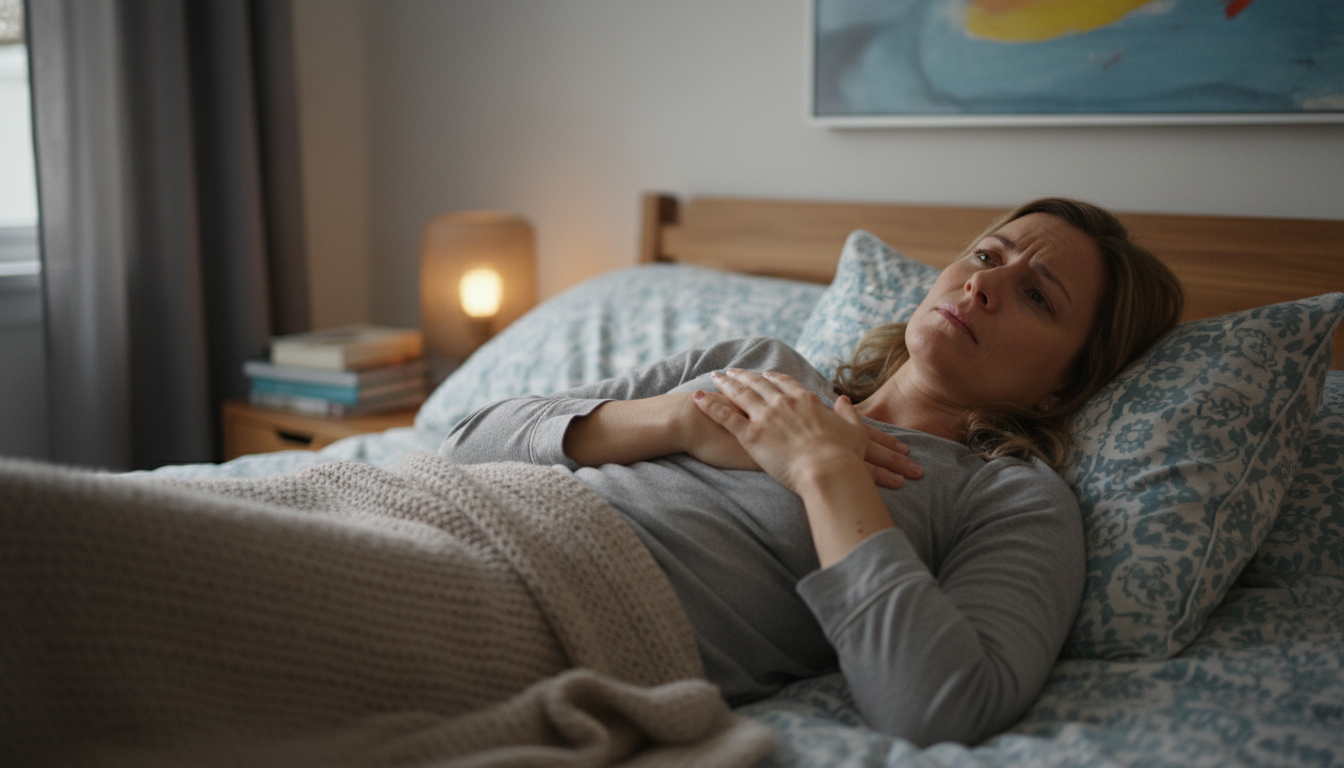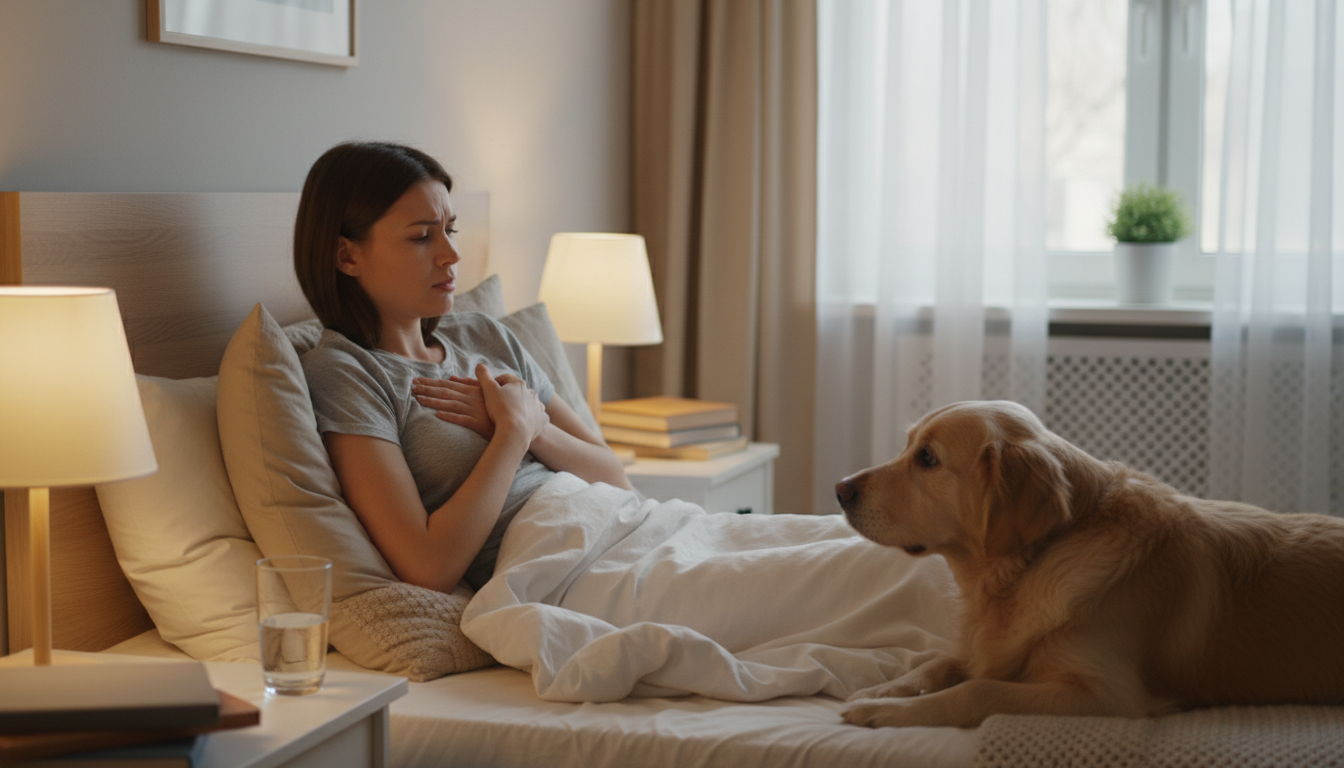
Category: Triggers & Situations

standing up, after eating, at night, after shower, worse lying down

  • Why Your Symptoms Get Worse Lying Down

    Why Your Symptoms Get Worse Lying Down

    Why Symptoms Can Feel Worse When You’re Lying Down

    Disclaimer: This article is for general information only and isn’t medical advice or a diagnosis. If you have severe symptoms or think it may be an emergency, call your local emergency number.

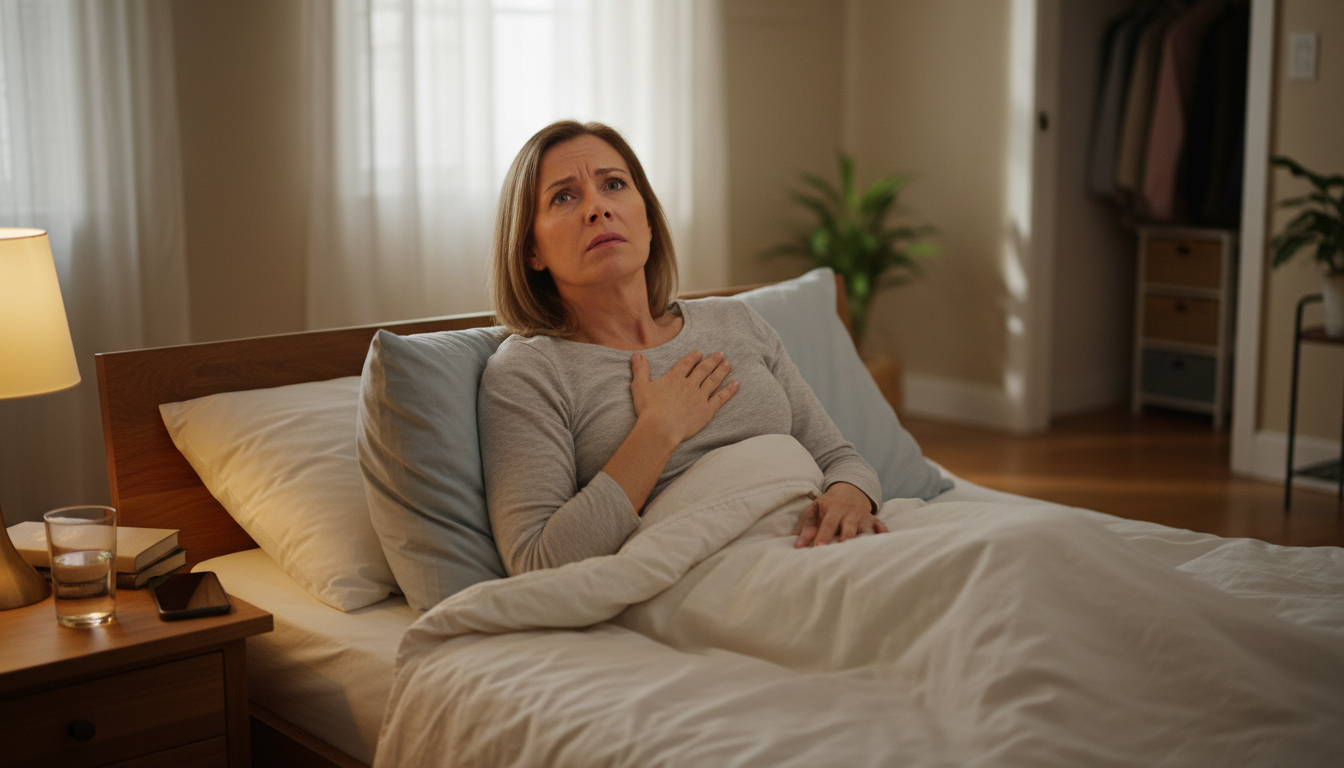
    Ever notice that the second you lie down and finally try to rest, your body is like, “Actually, let’s feel everything all at once”?

    Your heart thumps louder. Your chest feels weird. The room spins. Your cough kicks up. Your brain starts auditioning worst-case scenarios. You’re not alone.

    In this post, we’ll break down why symptoms can feel worse when you’re lying down, what might be going on behind the scenes, and when it’s time to take it seriously.

    Why Do Symptoms Feel Worse When Lying Down?

    Your body changes position, and so does how your blood, fluids, and organs behave.

    When you lie flat:

    • Blood redistributes through your body (less pooling in your legs, more returning to your chest and head)
    • Your lungs and diaphragm move differently
    • Your neck and spine alignment change
    • Acid in your stomach can more easily move toward your throat

    All of that can unmask or worsen certain symptoms: shortness of breath, chest pressure, palpitations, coughing, sinus pressure, heartburn, or dizziness.

    Quick takeaway: You’re not imagining it—gravity is a huge player in how symptoms show up.

    Common Symptoms That Get Worse When Lying Down

    Here are some of the big categories people notice.

    1. Shortness of Breath or Chest Pressure When Lying Down

    If you feel more out of breath when you lie flat, especially at night, doctors even have a name for it: orthopnea. It’s commonly linked to heart and lung conditions.

    Possible reasons include:

    • Fluid backing up in the lungs – In people with heart failure, lying flat can increase blood flow back to the heart and lungs. If the heart can’t pump efficiently, fluid can build up, making it harder to breathe when you’re flat.
    • Lung conditions – Chronic lung diseases (like COPD) can make breathing harder when you change positions.
    • Obesity or pregnancy – Extra pressure on the diaphragm can make lying flat uncomfortable or breathless.

    Red flags with shortness of breath lying down:

    • You need extra pillows or a recliner just to sleep
    • You wake up gasping for air
    • Swollen legs, rapid weight gain, or tight shoes
    • Chest pain, pressure, or sudden severe breathlessness

    These deserve prompt medical attention.

    Mini example: Jasmine notices she sleeps almost upright now. If she lies flat, she feels like she’s suffocating and starts coughing. Her ankles are puffy by evening. That pattern—shortness of breath worse lying down plus leg swelling—is something a doctor would want to check out soon.

    Takeaway: If lying flat makes breathing significantly harder, especially with swelling or chest symptoms, get evaluated.

    2. Heart Pounding, Racing, or “Extra Aware” of Your Heartbeat

    You may notice heart palpitations are worse at night or when you lie on your left side.

    Why?

    • When you’re quiet and still, you simply notice your heart more—there’s no background noise or distractions.
    • Blood flow shifts can change how strong each heartbeat feels against your chest wall.
    • Anxiety tends to ramp up at night, which can increase adrenaline and heart rate.
    • Some heart rhythm problems can flare when you’re at rest or lying down.

    Palpitations that are often less concerning:

    • Brief flutters here and there
    • Happen mostly at night when you’re anxious or hyper-focused
    • Go away with deep breathing, distraction, or relaxing

    Palpitations that need prompt medical attention:

    • Very fast, regular pounding that starts and stops suddenly
    • Associated with chest pain, fainting, severe shortness of breath, or confusion
    • Happen frequently or are getting worse over time

    Mini example: Ethan lies down and suddenly is convinced his heart is going to explode. He checks his pulse: it’s a little fast from anxiety, but steady. When he watches TV and stops checking, it settles. That pattern suggests anxiety plus body awareness more than an emergency, but still something to review with a clinician if it’s persistent.

    Takeaway: Lying down doesn’t usually cause a heart problem, but it can turn up the “volume” on what you feel. New, severe, or worsening palpitations deserve medical input.

    3. Cough Worse When Lying Down

    A cough that gets worse at night or when lying down is extremely common. A few major players:

    • Postnasal drip (from allergies, colds, sinus issues)
      • Mucus drains down the back of your throat more when you’re lying flat.
      • This can trigger coughing, throat clearing, or a tickle in your throat.
    • Acid reflux / GERD
      • Stomach acid can move upward more easily when you lie down.
      • This can cause coughing, a burning chest or throat, sour taste, or hoarse voice.
    • Heart or lung conditions
      • In some people, especially with heart failure, lying flat increases congestion in the lungs and worsens cough.

    When to worry more about cough at night:

    • You’re very short of breath
    • You cough up pink, frothy, or bloody mucus
    • You have chest pain, wheezing, or fever
    • You’ve had a cough for more than a few weeks that’s not improving

    Takeaway: Night cough is often from mucus or reflux, but in combination with breathing trouble or swelling, it can be a sign of something more serious.

    4. Heartburn, Chest Burning, or Sour Taste When Flat

    If your heartburn is worse when you lie down, especially after meals, that strongly suggests acid reflux.

    When you’re upright, gravity helps keep stomach contents down. Lying flat:

    • Makes it easier for acid to creep up into your esophagus
    • Can cause burning pain, chest discomfort, sour taste, or a feeling like something is “stuck” in your throat

    Things that can make reflux worse lying down:

    • Eating a large or late meal, then going to bed soon after
    • Trigger foods (spicy, fried, fatty, chocolate, caffeine, alcohol)
    • Tight clothing, obesity, or pregnancy

    Self-care strategies many people find helpful:

    • Avoid lying down within 2–3 hours of a big meal
    • Elevate the head of your bed by 6–8 inches (not just extra pillows)
    • Limit heavy, greasy, or spicy foods in the evening
    • Talk with a clinician about antacids or other medications if it’s frequent

    Red flag: Chest pain is not always reflux. Crushing pressure, pain with exertion, pain radiating to arm, jaw, or back, or associated sweating, nausea, or severe shortness of breath needs emergency evaluation.

    Takeaway: Heartburn worse lying down is very common, but any chest pain that feels new, severe, or not like your usual reflux deserves urgent attention.

    5. Dizziness or Feeling Like the Room Spins When Lying Down

    If you lie down and suddenly the room feels like it’s spinning, especially when you turn your head, one common cause is benign paroxysmal positional vertigo (BPPV).

    With BPPV:

    • Tiny crystals in your inner ear are out of place
    • Certain head movements (rolling over in bed, tilting your head back, looking up) trigger short bursts of spinning dizziness

    People often say, “I feel fine sitting still, but rolling over in bed makes the world spin.”

    Other dizziness causes more noticeable when lying or changing position include:

    • Inner ear infections or inflammation
    • Blood pressure changes
    • Anxiety or panic

    Red flags with dizziness:

    • Difficulty walking or staying upright
    • Slurred speech, facial droop, weakness, or numbness
    • Sudden, severe headache
    • Chest pain or severe shortness of breath

    Those can signal a neurologic or cardiovascular emergency and need immediate care.

    Takeaway: Brief spinning with head movement suggests an inner ear cause like BPPV, but dizziness with other serious symptoms is an emergency situation.

    6. Sinus Pressure, Headache, or Facial Pain Worse Lying Down

    If you have sinus congestion or infection, lying down can:

    • Increase pressure in your head and face
    • Make your nose feel more blocked
    • Worsen headaches

    This often happens with:

    • Colds or viral infections
    • Allergies
    • Chronic sinusitis

    People may feel better propped up or sleeping on a few extra pillows. Saline rinses, humidifiers, and allergy treatment (if relevant) can sometimes help, but ongoing or severe sinus symptoms should be checked.

    Takeaway: Gravity affects mucus too. More fluid shift toward your head can mean more pressure when you lie flat.

    Is It Just Anxiety—or Something Serious?

    This is where a lot of people spiral at night.

    Anxiety can absolutely make symptoms feel worse when you’re lying down, because:

    • You’re finally still and focused on your body
    • Your brain has fewer distractions and more room for “What if…?” stories
    • Adrenaline can cause fast heart rate, chest tightness, shortness of breath, and a lump-in-the-throat feeling

    Signs anxiety might be playing a big role:

    • Symptoms calm when you’re distracted or busy
    • You’ve had multiple normal tests but still feel convinced something terrible is being missed
    • You notice a strong link between stress and symptom flare-ups

    But anxiety and medical issues can exist at the same time. Having health anxiety does not mean new or different symptoms should be ignored.

    Takeaway: If you’re unsure whether it’s anxiety or something physical, that’s exactly the kind of question a clinician can help you sort out.

    Practical Ways to Reduce Symptoms When Lying Down

    These are general tips, not personalized medical advice, but many people find them helpful:

    1. Change your sleep position
      • Try sleeping slightly upright (extra pillows or an adjustable bed).
      • For reflux, raising the head of the bed is often more effective than just stacking pillows.
      • Side sleeping (often left side for reflux relief) can be more comfortable than fully flat.
    2. Time your meals and fluids
      • Avoid big, heavy meals right before bed.
      • Limit caffeine, alcohol, and very salty or greasy foods in the evening.
    3. Calm your nervous system before lying down
      • Try 5–10 minutes of slow breathing, gentle stretching, or a relaxation app.
      • Journaling worries before bed can help keep your brain from catastrophizing at night.
    4. Watch for patterns
      • Keep a simple symptom log:
        • Time of day
        • Body position (flat, side, reclined)
        • What you ate or drank
        • What you were doing or feeling emotionally
      • Bring this to your next appointment; it helps your clinician spot trends.
    5. Follow existing treatment plans
      • If you already have diagnoses like heart failure, GERD, COPD, or anxiety, make sure you’re taking medications as prescribed and bring any new or worse symptoms to your doctor’s attention.

    Takeaway: Small changes in routine and position can make a big difference, but they’re not a substitute for medical evaluation if symptoms are new, severe, or changing.

    When to Seek Urgent or Emergency Care

    Call emergency services or go to the ER right away if lying down (or any position) triggers:

    • Chest pain or pressure, especially with sweating, nausea, or pain spreading to arm, jaw, or back
    • Severe shortness of breath, gasping, or inability to speak in full sentences
    • New confusion, difficulty waking, or fainting
    • Sudden weakness, numbness, trouble speaking, or facial droop
    • Coughing up large amounts of blood or pink, frothy sputum

    Contact a doctor soon (same day or within a few days) if you notice:

    • You can’t sleep flat without feeling very short of breath
    • Worsening ankle or leg swelling
    • Nighttime cough that’s persistent or worsening
    • Frequent or worsening palpitations, even if you think they’re “just anxiety”
    • Ongoing heartburn, sinus pressure, or dizziness that doesn’t improve with simple measures

    Takeaway: “Worse when lying down” is an important detail to share with your doctor—it can be a key clue for diagnosis.

    The Bottom Line

    Symptoms getting worse when you lie down are common, sometimes benign, and sometimes serious. Position changes affect fluid, blood flow, lungs, heart, sinuses, and even how much you notice your body.

    You don’t need to diagnose yourself at night, but you can pay attention to patterns, note what makes things better or worse, and share clear details with a healthcare professional.

    If your body is consistently yelling at you when you lie down, you’re not being dramatic by getting it checked. You’re being smart.

    Sources

  • Why You Feel Weak After a Shower

    Why You Feel Weak After a Shower

    Feeling Weak After a Shower: Causes, Tips, and When to Worry

    Disclaimer: This article is for general information only and isn’t medical advice or a diagnosis. If you have severe symptoms or think it may be an emergency, call your local emergency number.

    Ever stepped out of the shower feeling like you just ran a marathon you never signed up for? Legs wobbly, vision a bit off, heart doing that “umm, are we okay?” thing.

    Let’s talk about why you might feel weak after a shower, when it’s usually harmless, and when it’s a “get this checked” situation.

    Is It Normal to Feel Weak After a Shower?

    It can be common, but it’s not something to ignore if it keeps happening.

    Feeling weak, dizzy, or lightheaded after a shower can be related to things like:

    • Heat from a hot shower
    • Sudden changes in blood pressure
    • Dehydration
    • Standing too long in a warm, steamy space
    • Low blood sugar (if you haven’t eaten in a while)
    • Underlying conditions like heart issues, blood pressure problems, or dysautonomia (problems with the body’s automatic nervous system)

    An occasional “whoa, I feel off” after a hot shower can happen. But repeat episodes, especially with other symptoms, deserve attention.

    What’s Actually Happening in Your Body During a Shower?

    1. Hot Water Makes Your Blood Vessels Chill Out (Maybe Too Much)

    Hot showers cause your blood vessels to dilate (open up). This helps your body get rid of heat, which is normally helpful.

    But when blood vessels open up:

    • Your blood pressure can drop.
    • Less blood briefly returns to your heart.
    • Your brain may get a little less blood flow.

    The result is that you may feel weak, heavy, or lightheaded when you’re in or stepping out of the shower.

    People who already have low blood pressure, are on blood pressure medications, or have conditions like postural orthostatic tachycardia syndrome (POTS) or other forms of orthostatic intolerance can be extra sensitive to this.

    Hot water relaxes you and your blood vessels, and sometimes a bit too much.

    2. Standing + Heat = Perfect Recipe for Lightheadedness

    Showers are basically you standing still in a warm, steamy box.

    When you stand for a while, especially in heat:

    • Blood can pool in your legs.
    • Your body has to work harder to push blood back up to your heart and brain.

    If your system doesn’t compensate quickly enough, you might notice:

    • Weakness
    • Dizziness
    • “Tunnel” or blurry vision
    • Feeling like you might faint

    This is related to orthostatic hypotension (a drop in blood pressure when you stand up). It can cause lightheadedness, weakness, or near-fainting when changing positions or standing.

    Long, hot, stand-up showers can be low-key stress tests for your circulation.

    3. Dehydration Makes Everything Worse

    If you’re even mildly dehydrated, your blood volume is lower.

    Combine that with a hot shower, standing upright, and maybe not having had much water or food that day, and your body may struggle to keep blood pressure stable.

    Signs dehydration may be playing a role include:

    • Dark yellow urine
    • Dry mouth
    • Feeling tired all day
    • Headaches

    If your body is already low on fluids, the heat and steam from the shower can tip you over into “I feel weak now” territory.

    4. Blood Sugar Swings Can Show Up in the Shower

    Showering on an empty stomach, especially first thing in the morning, can make weakness more noticeable.

    Low blood sugar can cause:

    • Shakiness
    • Weakness
    • Sweating
    • Lightheadedness

    Add hot water and standing, and suddenly your quiet shower feels like a full-body event.

    Your brain loves steady blood sugar. Skipping meals plus hot showers can be a rough combination.

    5. Anxiety and Panic Can Sneak In Too

    For some people, the shower is where they notice anxiety the most.

    • Warmth and steam can feel like “I can’t breathe,” even if oxygen is fine.
    • Heart rate might rise (normal in heat), but your brain questions whether it is a heart problem.
    • That panic loop can trigger real physical symptoms: weakness, shaking, chest tightness, dizziness.

    Anxiety symptoms can feel identical to serious physical problems, which is why medical evaluation is important if you’re not sure what you’re dealing with.

    Your body and brain talk to each other. Sometimes anxiety responds to normal body sensations like a fire alarm.

    Common Causes of Feeling Weak After a Shower (At a Glance)

    Here are some frequent, non-exotic reasons people feel weak after a shower:

    • Very hot showers
    • Long showers (especially if you’re already tired or unwell)
    • Dehydration or low fluid intake
    • Low blood pressure or medication for high blood pressure
    • Heart conditions or rhythm problems
    • Autonomic nervous system issues (like POTS or other dysautonomias)
    • Low blood sugar (fasting, skipping meals, diabetes issues)
    • Recent illness (flu, COVID-19, viral infections) leaving you deconditioned
    • Anemia (low red blood cells)
    • Anxiety or panic

    None of these can be confirmed without proper evaluation, but they’re common patterns doctors often consider when someone reports weakness after showering.

    The symptom is simple; the possible reasons are many. That’s why context, such as other symptoms and medical history, matters.

    When Is Feeling Weak After a Shower More Concerning?

    Feeling weak is one thing. Weakness plus certain red flags is another.

    You should seek urgent or emergency care (call emergency services or go to the emergency room) if weakness after a shower comes with:

    • Chest pain, chest pressure, or tightness
    • Trouble breathing or feeling like you can’t get air
    • Fainting or nearly fainting that doesn’t quickly improve
    • Sudden, severe headache unlike your usual headaches
    • Confusion, trouble speaking, or trouble understanding speech
    • Weakness or numbness on one side of the body, drooping face, or difficulty moving an arm or leg
    • Rapid, irregular, or pounding heartbeat that feels different from usual and doesn’t settle

    These can be signs of a heart attack, stroke, serious heart rhythm problem, or another emergency. Medical organizations stress not to wait these symptoms out—get help immediately.

    You should make an appointment with a doctor soon if:

    • You frequently feel weak, lightheaded, or shaky after showers.
    • You’ve had unexplained weight loss, fatigue, or night sweats.
    • You notice palpitations (racing or skipped beats) often.
    • You have known heart, blood pressure, or neurological conditions.
    • You have diabetes or blood sugar issues and symptoms are recurring.

    Red flags plus weakness means you should not guess. Get evaluated.

    Practical Tips to Reduce Weakness After a Shower

    While you’re getting checked out (or if your doctor has ruled out emergencies), there are some practical strategies that may help.

    1. Turn Down the Water Temperature

    You don’t have to take a cold shower, but try:

    • Warm or lukewarm water instead of steaming hot.
    • Gradually cooling the water a bit before the end of the shower.

    Less heat means less blood vessel dilation and, for many people, less sudden drop in blood pressure.

    2. Shorten Your Shower Time

    Aim for shorter showers, especially if you are recovering from illness, have low blood pressure or dizziness issues, or feel exhausted after routine activities.

    Even cutting three to five minutes off can make a difference in how your body handles it.

    3. Sit If You Can

    If standing is part of the problem, consider:

    • A shower chair or bench
    • A stool that’s safe in wet environments

    Sitting reduces how much blood pools in your legs and lowers the work your body has to do.

    4. Hydrate Before (and After)

    About 30 to 60 minutes before a shower, try a glass of water or an electrolyte drink (if appropriate for you).

    This can help if low blood volume or dehydration is contributing. If you have heart failure, kidney disease, or fluid restrictions, talk to your doctor first about fluid changes.

    5. Don’t Shower on an Empty Tank

    If you tend to shower first thing in the morning or after long gaps without eating, consider having a light snack beforehand (unless you’ve been told to fast for medical reasons).

    Something with a bit of carbohydrate and protein can support steadier blood sugar.

    6. Move Slowly

    Big movements, rapid position changes, and a hot environment can be difficult for your body to handle.

    Try:

    • Standing up slowly at the end of the shower
    • Holding the wall or a grab bar for a moment
    • Taking a few slow breaths before stepping out

    If you need to, sit on the toilet lid or a chair afterwards for a minute.

    7. Cool the Bathroom Down

    If the air is very steamy and hot, your body has to work harder.

    You can:

    • Turn on the exhaust fan
    • Crack the bathroom door
    • Avoid turning the room heat up too high

    8. Track What’s Going On

    It may help to keep a simple log of:

    • Time of day you shower
    • Water temperature (roughly: hot, warm, lukewarm)
    • Whether you’d eaten recently
    • How long you were in the shower
    • Symptoms (weakness level, dizziness, palpitations, and so on)

    Bring this to your doctor. It gives them clues: is this about heat, blood pressure, blood sugar, anxiety, something else, or a mix?

    Small tweaks—less heat, more hydration, slower movements—can be surprisingly powerful.

    What to Talk About With Your Doctor

    If weakness after a shower is new, frequent, or getting worse, consider asking your doctor about:

    • Blood pressure checks, including sitting and standing (to look for orthostatic hypotension)
    • Heart rate patterns and whether an ECG or heart monitor is appropriate
    • Blood tests for anemia, electrolytes, thyroid issues, and blood sugar
    • Whether your medications (especially blood pressure medicines, diuretics, or heart drugs) could contribute
    • Whether conditions like POTS or other autonomic issues should be considered

    Bring specific descriptions, such as:

    • “I feel weak and shaky for about 10 minutes after a hot shower in the morning.”
    • “I almost blacked out once getting out of the shower last week.”
    • “It’s worse if I haven’t eaten or when I’m on my period.”

    The more concrete you are, the easier it is for them to connect the dots.

    You don’t have to solve it alone. Your job is to bring data; their job is to interpret it.

    Bottom Line: Feeling Weak After a Shower Isn’t Just in Your Head

    Feeling weak after a shower is real, and it’s usually about how your body handles:

    • Heat
    • Blood pressure changes
    • Fluids and blood volume
    • Blood sugar
    • Your nervous system (and sometimes your anxiety)

    Occasional mild episodes that improve quickly and don’t come with serious symptoms might be manageable with lifestyle tweaks.

    But repeated weakness, especially with chest pain, trouble breathing, fainting, confusion, or one-sided weakness, should be taken seriously and checked urgently.

    If your showers are routinely wiping you out, that’s your body asking for a closer look—not you being dramatic.

    Sources

  • Chest Tightness At Night: What It Might Mean

    Chest Tightness At Night: What It Might Mean

    Chest Tightness at Night: Possible Causes and When to Worry

    Disclaimer: This article is for general information only and isn’t medical advice or a diagnosis. If you have severe symptoms or think it may be an emergency, call your local emergency number.

    You’re finally in bed, scrolling your phone one last time, when it hits: tight chest, sudden awareness of your heartbeat, and the thought, “Am I dying or is this just anxiety?”

    If chest tightness keeps showing up at night just as everything goes quiet, you are not the only one. It’s common, it’s scary, and it deserves attention, but it doesn’t always mean you’re in immediate danger.

    In this guide, we’ll break down possible reasons your chest feels tight at night, when it might be anxiety, when it might be your heart, lungs, or something else entirely, and what to do next. Let’s make sense of it calmly.

    What Does “Chest Tightness at Night” Actually Feel Like?

    People describe chest tightness in very different ways, for example:

    • “Like someone is sitting on my chest.”
    • “A band squeezing around my ribs.”
    • “Pressure in the middle of my chest when I lie down.”
    • “Heaviness plus a burning feeling after eating.”
    • “A weird tightness that makes me want to take a deep breath.”

    You might notice it mostly when lying flat in bed, when you’re about to fall asleep or just waking up in the night, or along with symptoms like shortness of breath, palpitations, heartburn, cough, or anxiety. The way you’d describe the feeling (pressure, burning, stabbing, squeezing) gives big clues about what’s going on.

    Big-Picture Causes of Chest Tightness at Night

    Chest tightness is a symptom, not a diagnosis. Some common categories of causes include:

    1. Heart-related issues (like angina or, rarely but seriously, a heart attack)
    2. Lung issues (asthma, pneumonia, pulmonary embolism)
    3. Reflux and digestive problems (GERD/acid reflux, esophageal spasm)
    4. Muscle and rib issues (strained chest muscles, costochondritis)
    5. Anxiety, panic, and hyperventilation
    6. Sleep-related breathing problems (like sleep apnea)

    Some of these are uncomfortable but not immediately dangerous. Others are true emergencies. We’ll walk through each and flag red-flag symptoms where you should stop reading and seek urgent help. Nighttime chest tightness has many possible causes. The context and extra symptoms are everything.

    1. Heart Causes: When Should You Worry About Your Heart?

    Nighttime is when you finally notice body sensations you were too busy to feel during the day. But there are real heart conditions that can cause chest pressure or tightness, especially if your heart is under strain.

    Possible heart-related causes include:

    • Angina – chest discomfort when the heart muscle isn’t getting enough blood.
    • Heart attack (myocardial infarction) – when blood flow to part of the heart is blocked.
    • Pericarditis – inflammation of the sac around the heart, sometimes worse when lying down.

    Typical features that raise concern for a heart cause include pressure, squeezing, or heaviness in the center or left side of the chest; pain or discomfort that spreads to the arm, jaw, neck, or back; shortness of breath; nausea, breaking out in a cold sweat, or feeling faint; and symptoms triggered by physical effort or emotional stress and relieved by rest. Heart symptoms don’t always follow the textbook, especially in women, older adults, and people with diabetes, but new, intense, or worsening chest tightness should never be ignored.

    Heart-Related Red Flags: Don’t Wait

    Get emergency help right away (call 911 or your local emergency number) if you notice:

    • Sudden chest pressure or tightness that lasts more than a few minutes or keeps coming back
    • Chest discomfort with shortness of breath, sweating, nausea, or feeling like you might pass out
    • Chest pain that radiates to arm, back, jaw, or neck

    If your first thought is “This feels really wrong,” or it’s the worst chest pain you’ve ever had, treat it as an emergency.

    2. Lung and Breathing Causes: Asthma, Clots, Infections

    Your lungs and airways can absolutely cause chest tightness at night.

    Asthma

    Asthma symptoms often worsen at night, including chest tightness, wheezing (whistling when breathing out), nighttime coughing, and feeling like you can’t get air in or out easily. Triggers can include allergens in the bedroom (dust mites, pet dander), cold air, or respiratory infections. Poorly controlled asthma can lead to frequent nighttime symptoms.

    Seek urgent care if you have asthma and you’re struggling to talk in full sentences, your rescue inhaler isn’t helping, or your lips or fingertips look bluish.

    Pulmonary Embolism (Blood Clot in the Lung)

    A pulmonary embolism is a blood clot that travels to the lungs. It can cause sudden sharp chest pain or tightness that may worsen with deep breaths, sudden shortness of breath, fast heart rate, coughing (sometimes with blood), and feeling lightheaded or faint. This is an emergency.

    Pneumonia or Other Lung Infections

    Lung infections can cause chest pain or pressure, cough (often with phlegm), fever and chills, and shortness of breath. Night can feel worse because you’re lying flat and everything in your lungs is settling. If chest tightness comes with wheezing, cough, fever, or sudden shortness of breath, think lungs and get evaluated quickly.

    3. Acid Reflux and GERD: The Chest Tightness That Masquerades as Heart Trouble

    Your stomach can sometimes mimic a heart problem. With acid reflux or GERD (gastroesophageal reflux disease), stomach acid flows back into the esophagus, especially when you lie down.

    Common clues it might be reflux include a burning feeling behind the breastbone (heartburn), chest discomfort or tightness after eating or when lying flat, sour taste in the mouth or feeling of fluid coming up, and symptoms that are worse after large, spicy, fatty, or late-night meals.

    At night, gravity is no longer helping keep stomach contents down, and many people eat dinner late and lie down soon afterward.

    Strategies that sometimes help include avoiding large or heavy meals within three hours of bedtime, elevating the head of your bed slightly, limiting trigger foods (spicy, acidic, fried, chocolate, caffeine, alcohol), and talking to a clinician about antacids or other reflux medications. If chest tightness shows up after eating and feels like burning that gets worse when lying down, reflux is a strong suspect, but heart issues still need to be ruled out if you’re not sure.

    4. Muscle, Joint, and Nerve Causes: When It’s Your Chest Wall, Not Your Heart

    Your chest is full of muscles, cartilage, and joints. These can hurt or feel tight, especially at night when you’re finally still enough to notice.

    Common examples include muscle strain from heavy lifting, new workouts, or even long days at a desk, and costochondritis, which is inflammation of the cartilage where ribs meet the breastbone.

    Clues it’s more likely musculoskeletal include pain or tightness that gets worse when you press on a specific spot, pain that changes with movement, twisting, lifting, or deep breaths, and symptoms you can link to a recent injury, strain, or new exercise. This kind of chest discomfort can still feel intense, but it’s usually not coming from the heart or lungs. If touching or moving your chest changes the pain a lot, your chest wall may be the main culprit.

    5. Anxiety, Panic Attacks, and the Night-Time Spiral

    Many people wonder whether anxiety can cause chest tightness at night. It absolutely can. When you’re anxious or having a panic attack, your body’s “fight-or-flight” system kicks in. Breathing gets faster and shallower, muscles (including chest muscles) tighten, and the heart may beat faster or harder. This combination can create chest tightness or pressure, a need to take a deep breath all the time, and a feeling of not getting enough air, even if oxygen levels are normal.

    At night, there are fewer distractions, so you may focus more on bodily sensations. Worries can get louder as the day winds down, and some people experience nocturnal panic attacks that wake them from sleep.

    Signs Chest Tightness May Be Related to Anxiety

    • It appears during or after periods of intense worry or stress
    • You’ve had panic attacks or strong anxiety before
    • Medical tests (like ECG, blood work, chest X-ray) haven’t shown heart or lung disease
    • The tightness eases when you calm down or distract yourself

    Ways to Handle Anxiety-Related Chest Tightness in the Moment

    These don’t replace medical evaluation, but they can help while you’re waiting for care or once serious conditions have been ruled out.

    1. Slow-breathing reset

      • Inhale through your nose for a count of 4
      • Hold for a count of 4
      • Exhale slowly through your mouth for a count of 6–8
      • Repeat for 1–3 minutes
    2. Drop your shoulders

      • On an exhale, consciously relax your shoulders and jaw
      • Many people carry tension there without realizing it
    3. Name 5 things

      • Look around and name 5 things you can see, 4 you can touch, 3 you can hear, 2 you can smell, 1 you can taste
      • This can pull you out of the anxiety spiral and back into the present

    If anxiety is a frequent culprit, consider talking with a mental health professional. Therapy, lifestyle changes, and sometimes medication can reduce both anxiety and physical symptoms like chest tightness. Anxiety can absolutely cause real chest sensations, but you should never assume it’s “just anxiety” without being checked at least once.

    6. Sleep Apnea and Nighttime Breathing Problems

    Obstructive sleep apnea is a condition where your airway repeatedly collapses or narrows during sleep, causing breathing to stop and start.

    Possible signs include loud snoring with pauses in breathing (often noticed by a partner), waking up gasping or choking, morning headaches, feeling unrefreshed despite a full night in bed, and chest tightness or discomfort, especially on waking.

    Untreated sleep apnea can raise the risk of high blood pressure, heart disease, stroke, and more, so it’s worth taking seriously. Diagnosis usually involves a sleep study, and treatments can include weight management, CPAP machines, oral appliances, or other approaches depending on the cause. If your chest tightness at night comes with heavy snoring, gasping, or extreme daytime sleepiness, ask a clinician about sleep apnea.

    When Is Chest Tightness at Night an Emergency?

    You should treat chest symptoms with respect. Seek emergency medical care (911 or local emergency number) if chest tightness or pain is sudden, severe, or feels crushing or heavy; if it lasts more than a few minutes or keeps coming back; or if you also have shortness of breath, sweating, nausea or vomiting, pain spreading to your arm, back, jaw, or neck, or feeling lightheaded, weak, or like you might pass out. This is especially important if you have a history of heart disease, blood clots, or major risk factors like high blood pressure, diabetes, smoking, high cholesterol, or strong family history.

    If you’re not sure whether it’s serious, it’s better to get checked and be told it’s okay than wait on something dangerous. Chest tightness combined with shortness of breath and feeling unwell overall is a reason not to self-diagnose and to seek urgent care.

    When to See a Doctor Soon (Not Necessarily Tonight)

    Even if it doesn’t feel like an emergency, you should book an appointment if you have repeated episodes of chest tightness at night, symptoms are new for you or changing over time, over-the-counter remedies (like antacids or inhalers, if you use them) aren’t helping, or you’re avoiding sleep or feeling constantly anxious about nightly symptoms.

    A clinician may ask detailed questions about your symptoms and triggers, check blood pressure, heart rate, and oxygen level, and order tests like an ECG, blood tests, chest X-ray, or stress test. They may consider reflux, asthma, anxiety, sleep apnea, or heart problems based on your exam and history. Persistent or unexplained chest tightness deserves a proper workup; you don’t have to just live with it.

    Practical Things You Can Track Before Your Appointment

    If you want to make your visit more useful, show up with data. For the next few nights, jot down:

    1. Timing

      • What time does the chest tightness start?
      • Does it wake you from sleep, or start as you’re falling asleep?
    2. Position

      • Is it worse lying flat on your back?
      • Does it improve if you sit up or prop yourself on pillows?
    3. Food and drinks

      • What did you eat and drink in the 3–4 hours before bed?
      • Any late caffeine, alcohol, or heavy or spicy foods?
    4. Activities and stress

      • Was it a particularly stressful day?
      • Any heavy exercise or lifting earlier?
    5. Other symptoms

      • Shortness of breath, cough, wheezing
      • Palpitations
      • Heartburn or sour taste
      • Sweating, dizziness, nausea

    Bring this mini “symptom diary” to your appointment. It helps your clinician spot patterns much faster. A simple notebook or notes app can shave weeks off the trial-and-error phase of figuring out what’s going on.

    What You Shouldn’t Do

    A few final no-go’s:

    • Don’t self-diagnose chest pain over the internet. Use online info to ask better questions, not to rule out emergencies.
    • Don’t ignore new or worsening symptoms just because “it happened before and I survived.” Your body can change.
    • Don’t assume it’s “just anxiety,” especially if you’ve never had a full medical check for chest symptoms.

    The Bottom Line on Chest Tightness at Night

    Chest tightness at night can come from many sources: heart, lungs, reflux, muscles, anxiety, sleep apnea, and more. Some are relatively mild. Others are urgent. You don’t have to figure it all out alone.

    Use this guide to notice key patterns and triggers, recognize true red-flag symptoms that need emergency care, and prepare questions and notes for your healthcare visit. Getting checked out is not overreacting; it’s being responsible with the only heart and lungs you’ve got.

    Sources

  • Why You Get Palpitations After Eating

    Why You Get Palpitations After Eating

    Heart Palpitations After Eating: Causes, Concerns, and What to Do

    Disclaimer: This article is for general information only and is not medical advice or a diagnosis. If you have severe symptoms or think it may be an emergency, call your local emergency number.

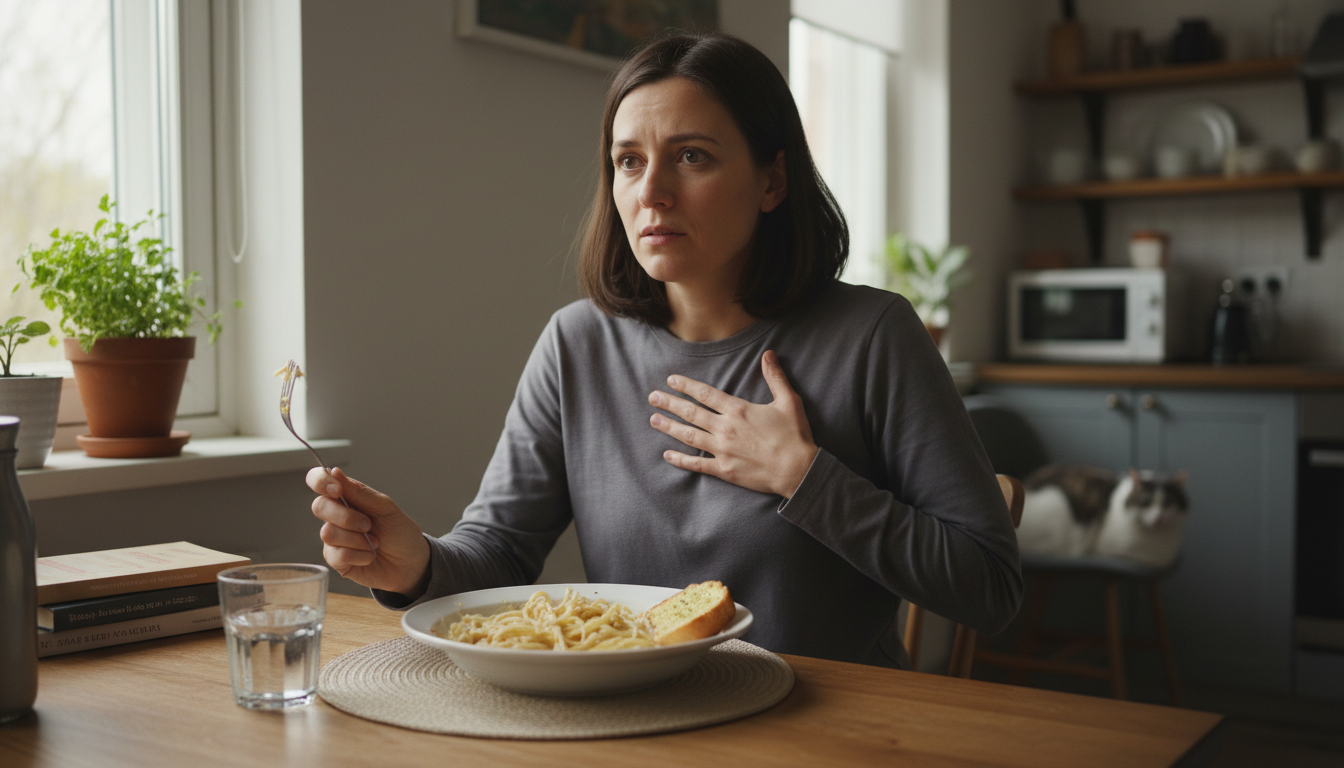
    You just finished eating, you are minding your own business, and suddenly your heart feels like it is doing drum solos in your chest. Fast, fluttery, pounding, or just weird. Naturally, your brain goes straight to: “Am I dying or is this just lunch?”

    Here is an overview of palpitations after eating, what might cause them, when they are usually harmless, and when they are a “get checked now” situation.

    What Are Heart Palpitations?

    Heart palpitations are the sensation that your heartbeat is:

    • Fast
    • Skipping beats
    • Fluttering or pounding
    • Thumping harder than usual

    Sometimes people feel these in the chest, throat, or even neck. According to major medical centers like Mayo Clinic and Cleveland Clinic, palpitations can be totally benign or a clue to an underlying heart rhythm problem (arrhythmia).

    Quick takeaway: Palpitations are a feeling, not a diagnosis. The important question is: why are they happening, especially after you eat?

    Why Can Eating Trigger Palpitations?

    There is not one single cause, but a few common factors show up again and again.

    1. Big, Heavy Meals Mean Extra Work for Your Body

    After you eat, more blood flows to your digestive system to help break down food. Your body may respond by increasing heart rate slightly to keep blood pressure stable.

    If you:

    • Eat very large meals
    • Eat quickly
    • Feel overstuffed after meals

    Your body may be working a bit harder to digest, and that normal rise in heart rate can feel like palpitations.

    People with underlying heart issues, deconditioning, or anxiety may notice this more because they are already sensitive to body sensations.

    Takeaway: Overfilling the tank (your stomach) can make the engine (your heart) rev a bit.

    2. Sugar Spikes and Refined Carbs

    If your meal is heavy in:

    • Sugary drinks or desserts
    • White bread, white rice, pastries
    • Highly processed carbs

    Your blood sugar can spike quickly. In response, your body releases insulin to bring it back down.

    Big, fast shifts in blood sugar and insulin can trigger:

    • A faster heart rate
    • Shakiness
    • Sweating
    • Feeling jittery, weak, or “off”

    For some people, especially those with insulin resistance, diabetes, or reactive hypoglycemia, that blood sugar roller coaster can feel like palpitations or even mild adrenaline rushes.

    Takeaway: The more your blood sugar swings, the more your heart might “complain” after meals.

    3. Caffeine, Energy Drinks, and Stimulants

    Common culprits in palpitations after eating include:

    • Coffee or espresso with or right after meals
    • Strong tea or matcha
    • Energy drinks
    • Pre-workout supplements
    • Some weight-loss or “fat burner” products

    Caffeine and other stimulants can:

    • Increase heart rate
    • Make beats feel more forceful
    • Trigger extra beats (for example, premature ventricular contractions) in people who are prone to them

    Combine that with a big meal and maybe a bit of anxiety, and suddenly you are very aware of your heartbeat.

    Takeaway: If your meal comes with a side of caffeine or stimulants, that may be your first suspect.

    4. Alcohol With Meals

    Alcohol can:

    • Dilate blood vessels
    • Affect heart rhythm
    • Change blood pressure

    Some people experience palpitations or an irregular heartbeat, such as atrial fibrillation, after drinking, especially binge drinking or frequent use. This is sometimes called “holiday heart” when it shows up after heavy eating and drinking.

    Even moderate alcohol can cause palpitations in sensitive individuals, particularly in the hours after drinking.

    Takeaway: If your palpitations tend to show up after dinner with wine or cocktails, alcohol may be playing a role.

    5. High-Sodium or Ultra-Processed Foods

    Salty, processed foods can:

    • Increase blood pressure temporarily
    • Cause fluid retention
    • Make your heart work harder

    Examples include:

    • Fast food meals
    • Frozen dinners
    • Packaged snacks such as chips or instant noodles
    • Restaurant meals loaded with salt

    For some people, especially those with high blood pressure, heart disease, or heart failure, this extra workload can show up as palpitations or a racing heart.

    Takeaway: If your heart races after a salty restaurant or takeout meal, sodium and fluid shifts could be involved.

    6. Gastroesophageal Reflux and Bloating

    Sometimes it is not directly your heart.

    Acid reflux, gas, or bloating after a meal can:

    • Put pressure on the chest
    • Irritate nerves around the esophagus and diaphragm
    • Make you hyper-aware of sensations in your chest

    That combination of physical discomfort and anxiety can feel like palpitations or make you notice normal beats more than usual.

    Conditions like hiatal hernia or significant reflux can make this pattern more noticeable after larger meals.

    Takeaway: Sometimes the gut stirs things up and your heart just gets blamed.

    7. Autonomic Nervous System Sensitivity (Including POTS)

    Your autonomic nervous system controls things like heart rate, blood pressure, and digestion behind the scenes.

    In some conditions, such as postural orthostatic tachycardia syndrome (POTS) or other forms of dysautonomia, the heart rate can jump more than usual after:

    • Standing up
    • Eating meals, especially large or carbohydrate-heavy meals

    People with these conditions may notice:

    • Palpitations
    • Lightheadedness
    • Fatigue
    • Brain fog after eating

    Takeaway: If palpitations after eating come with dizziness, fatigue, or feeling like you might faint, talk to a clinician about whether autonomic issues could be involved.

    8. Anxiety and “Body Scanning” After Meals

    If you have ever had a bad health scare, panic attack, or scary symptom, you may start monitoring your body more closely, especially after triggers like eating.

    This is very common and not a character flaw.

    When you are anxious, your body can:

    • Release more adrenaline
    • Make your heart beat faster or harder
    • Tighten your chest muscles

    Then your brain notices that and panics more, creating a vicious cycle.

    You may:

    • Eat
    • Wait to see if symptoms happen
    • Feel a normal post-meal heart rate bump
    • Interpret it as danger, leading to more adrenaline and stronger palpitations

    Takeaway: Anxiety does not mean “it is all in your head,” but it can amplify normal heart sensations.

    Is It Normal to Have Palpitations After Eating?

    Mild, brief palpitations that come and go and do not bring other concerning symptoms are common and often not dangerous, especially if:

    • Your heart evaluation, such as ECG, blood tests, or monitoring, has been normal
    • Palpitations are short-lived and resolve on their own
    • They are clearly tied to big, sugary, caffeinated, or salty meals

    That said, only a healthcare professional who knows your history can tell you if your palpitations are likely harmless.

    Takeaway: Sometimes “weird but harmless.” Sometimes “needs a closer look.” Do not self-diagnose.

    When Should I Worry About Palpitations After Eating?

    Call emergency services (911 in the U.S.) or seek urgent care right away if palpitations come with:

    • Chest pain, squeezing, pressure, or discomfort
    • Trouble breathing or shortness of breath at rest
    • Feeling like you might pass out, or actually fainting
    • Severe dizziness or confusion
    • Pain in jaw, neck, back, or arm
    • Sudden sweating, nausea, or a feeling of impending doom

    You should also seek prompt medical evaluation (same day or soon) if:

    • Palpitations are frequent or getting worse
    • Your heart feels like it is racing for long stretches (minutes to hours)
    • Your resting heart rate is consistently very high or very low
    • You have known heart disease, high blood pressure, diabetes, or a strong family history of heart problems
    • You feel short of breath when walking a short distance or climbing a few stairs

    Takeaway: With red-flag symptoms, do not wait and see. Go get checked.

    What Can I Try at Home to Reduce Palpitations After Eating?

    This is not medical advice, but here are common lifestyle strategies many clinicians recommend discussing with patients.

    1. Shrink the Meal Size

    Instead of two giant meals a day, try:

    • Three smaller meals
    • One to two light snacks if needed

    Smaller portions mean less sudden blood-flow shift to the gut and potentially fewer palpitations.

    2. Slow Down and Chew Well

    Rushing food can lead to:

    • Swallowing more air and bloating
    • Overeating before your body has time to say “I am full”

    Try putting your fork down between bites and taking 15 to 20 minutes to finish a meal instead of just a few minutes.

    3. Watch Your Sugar and Refined Carbs

    Experiment with:

    • More protein and healthy fats at meals
    • Higher-fiber carbs such as oats, beans, lentils, whole grains, fruits, and vegetables
    • Cutting back on sugar-sweetened drinks

    See if your palpitations are less intense when your blood sugar rises more slowly.

    4. Check Your Caffeine and Alcohol Timing

    Try a one to two week experiment:

    • No energy drinks or pre-workout around meals
    • Reduce or skip coffee with food and see what happens
    • Limit or avoid alcohol, particularly in the evening

    If palpitations ease up, you may have found a trigger.

    5. Be Mindful of High-Sodium Meals

    If your typical meal involves fast food or very salty restaurant portions, try:

    • Cooking more at home
    • Choosing lower-sodium options when possible
    • Tasting food before automatically salting it

    6. Manage Reflux and Bloating

    Simple steps you can discuss with your clinician include:

    • Avoid lying down right after eating (wait two to three hours)
    • Elevate the head of the bed slightly if nighttime reflux is an issue
    • Limit trigger foods, which for some people include spicy, greasy, tomato-heavy, mint, or chocolate foods

    7. Calm the Nervous System

    When palpitations hit, try:

    • Slow breathing: Inhale through your nose for four seconds, exhale through your mouth for six to eight seconds, and repeat for a few minutes.
    • Grounding: Notice five things you can see, four you can feel, three you can hear, two you can smell, and one you can taste.
    • Reframing self-talk: Remind yourself, “I have felt this before, I am getting checked when needed, my body is reacting but I am not in immediate danger unless red flags show up.”

    These do not cure medical causes but can reduce the anxiety spiral that makes palpitations feel worse.

    Takeaway: Small, consistent tweaks often give more answers than one giant overhaul.

    Real-World Scenarios

    Scenario 1: The Giant Pasta and Wine Dinner

    You eat a big bowl of pasta, garlic bread, dessert, and two glasses of wine. An hour later your heart feels fast and jumpy.

    Possible contributors:

    • Large, carbohydrate-heavy meal leading to a blood sugar surge
    • Alcohol contributing to rhythm irritability and vessel dilation
    • Lying on the couch afterward leading to reflux and extra awareness of the chest

    Scenario 2: Lunch and an Energy Drink at Your Desk

    You inhale a fast-food burger and fries, wash it down with a strong energy drink, and jump straight into stressful emails.

    Possible contributors:

    • High sodium and fat
    • Caffeine and other stimulants
    • Stress and adrenaline from work

    Scenario 3: Lightheaded and Racing Heart After Meals

    You have palpitations, feel lightheaded, and sometimes need to lie down after eating, especially when you stand up.

    Possible contributors:

    • Blood pressure and heart rate shifts
    • Possible autonomic issues such as POTS

    This scenario especially deserves a thorough medical evaluation.

    Takeaway: Patterns matter. What you are eating, drinking, and doing around the meal can provide useful clues.

    What Should I Ask My Doctor About Palpitations After Eating?

    If you decide to get evaluated, helpful things to discuss include:

    • When it happens: right after eating, one to two hours later, or only with certain foods
    • How it feels: fast, pounding, skipped beats, fluttering
    • How long it lasts: seconds, minutes, or hours
    • What else you notice: chest pain, dizziness, shortness of breath, nausea
    • What you were eating or drinking: caffeine, alcohol, heavy carbohydrates, very salty foods

    Your clinician might consider tests such as:

    • Physical exam and detailed history
    • ECG (electrocardiogram)
    • Blood tests (for example, thyroid, electrolytes, anemia)
    • Holter monitor or event monitor to track rhythm over time
    • Possibly echocardiogram or other imaging, depending on findings

    Takeaway: The more clearly you describe your patterns, the easier it is for your clinician to connect the dots.

    The Bottom Line on Palpitations After Eating

    • Palpitations after meals are common and often related to things like big portions, sugar spikes, caffeine, alcohol, sodium, reflux, or anxiety.
    • They can also be a sign of heart rhythm issues or other medical conditions, so new, frequent, or severe symptoms should be evaluated.
    • Red-flag symptoms such as chest pain, trouble breathing, fainting, or severe dizziness are an emergency, not a “wait and see.”
    • Keeping a simple symptom and food log can be very helpful when you talk with a healthcare professional.

    You do not have to feel anxious at every meal wondering if your heart will act up. With some tracking, smart lifestyle changes, and medical input when needed, many people find their after-eating palpitations become a lot less mysterious and a lot less scary.

    Sources

  • Chest Tightness When Lying Down: Should You Worry?

    Chest Tightness When Lying Down: Should You Worry?

    Chest Tightness After Lying Down: What It Might Mean

    Disclaimer: This article is for general information only and isn’t medical advice or a diagnosis. If you have severe symptoms or think it may be an emergency, call your local emergency number.

    You lie down, finally ready to sleep… and then your chest feels tight. Instantly your brain goes: “Is this anxiety? My heart? Am I dying or just dramatic?”

    Chest tightness after lying down is pretty common, and sometimes it’s harmless (think heartburn or anxiety). But it can also be a red flag for things like heart or lung problems, especially if it’s new, severe, or comes with other symptoms.

    This guide walks through:

    • Common causes of chest tightness when lying flat
    • When it’s “probably okay” vs when it’s not okay
    • Simple things you can try at home
    • Clear signs you should get medical help ASAP

    Is Chest Tightness After Lying Down Ever Normal?

    Chest symptoms never really feel normal. But there are situations where chest tightness when you lie down can be related to things like acid reflux or heartburn, anxiety or panic, or musculoskeletal pain such as a pulled muscle.

    In these cases, the tightness may come and go, improve when you sit or stand, and be related to stress, heavy meals, or certain positions.

    Key idea: If the chest tightness is mild, short-lived, and familiar (you’ve had it before, were evaluated, and told it was non‑cardiac), it may be less urgent. But anything new, unexplained, or worse than usual deserves medical attention.

    Takeaway: Just because chest tightness can have benign causes doesn’t mean you should ignore it, especially when it shows up suddenly or feels different from your “usual.”

    Common Causes of Chest Tightness When You Lie Down

    1. Acid Reflux / GERD

    When you lie flat, stomach acid can more easily move up into your esophagus (the tube from your mouth to your stomach). This is called acid reflux, and chronic or frequent reflux is often labeled GERD (gastroesophageal reflux disease).

    How reflux-related chest tightness usually feels:

    • Burning, pressure, or tightness in the middle of the chest
    • Worse after large, spicy, or fatty meals, chocolate, caffeine, or alcohol
    • Worse when lying flat or bending over
    • May improve if you sit up, stand, or use pillows to prop yourself up
    • Possible sour taste, belching, or feeling of food coming back up

    If chest tightness consistently shows up after eating and lying down, reflux is one of the top suspects.

    Takeaway: If it feels like burning or pressure that’s tied to meals and positions, consider reflux, but don’t self-diagnose your heart away. Get checked if you’re unsure.

    2. Anxiety, Stress, and Panic

    Your brain and body are in constant communication. When one reacts, the other often does too.

    Anxiety and panic can cause chest tightness, rapid heartbeat, shortness of breath, or a feeling like you “can’t get a deep breath,” especially when you’re finally still and your mind has space to spiral.

    Clues it might be anxiety-related:

    • Chest tightness appears in waves with stress, racing thoughts, or panic feelings
    • You may notice trembling, sweating, a sense of doom, or feeling like you’re about to lose control
    • Symptoms often peak within minutes and slowly ease
    • You’ve had similar episodes before and been told your heart and lungs were okay

    You can absolutely have real physical sensations from anxiety. That doesn’t make it “all in your head,” but it usually means your emergency risk is lower once serious causes have been ruled out.

    Takeaway: If your chest tightness shows up during high-stress moments or at night when your thoughts spiral, anxiety could be playing a starring role, but chest pain should still be checked at least once by a clinician.

    3. Muscular or Chest Wall Pain

    Sometimes chest tightness is literally from your muscles, ribs, or joints, not your heart or lungs.

    Possible causes include:

    • Strained chest or back muscles from heavy lifting, new workouts, or awkward posture
    • Costochondritis (inflammation of the cartilage where ribs meet the breastbone)
    • Poor posture or long hours hunched over a desk or phone

    Clues it might be musculoskeletal:

    • Pain or tightness is sharp, sore, or achy
    • It worsens when you press on a specific area of your chest or move in certain ways
    • Certain sleep positions make it worse

    Takeaway: If touching or moving your chest changes the pain a lot, muscle or joint causes are more likely, but only a medical professional can confidently rule out heart and lung issues.

    4. Heart-Related Causes (More Serious)

    Heart problems can cause chest discomfort that’s worse with exertion and may not change much with position. Some people do notice symptoms more when lying down, especially if the heart is struggling to pump efficiently.

    Potential heart-related issues include:

    • Angina or heart attack: Pressure, squeezing, or heaviness in the chest that may spread to the arm, jaw, neck, back, or stomach. Often worse with activity and not clearly linked to body position.
    • Heart failure: Can cause shortness of breath and chest discomfort that gets worse when lying flat. Some people need multiple pillows or prefer to sleep sitting up.
    • Pericarditis (inflammation of the lining around the heart): Sharp or stabbing chest pain that may worsen when lying down and improve when sitting up or leaning forward.

    Red-flag clues suggesting possible heart involvement:

    • Chest pressure, heaviness, or squeezing rather than just “weird tightness”
    • Pain going to jaw, neck, back, shoulder, or arm
    • Nausea, sweating, or feeling like you might pass out
    • Shortness of breath at rest or with mild activity
    • New swelling in legs or sudden weight gain from fluid

    Takeaway: If your chest tightness is intense, feels like pressure, or comes with other concerning symptoms, treat it as an emergency until a professional says otherwise.

    5. Lung-Related Causes

    Your lungs are also potential sources of chest tightness or pain when lying down.

    Lung issues that can cause chest tightness or pain when lying down include:

    • Pulmonary embolism (blood clot in the lungs): Sudden chest pain (often sharp), shortness of breath, rapid breathing, sometimes coughing up blood, or a strong sense that something is very wrong.
    • Pneumonia or infection: Chest pain with fever, cough, mucus, and feeling generally sick.
    • Pleurisy (inflammation of the lung lining): Sharp pain that worsens with deep breaths, coughing, or certain positions.

    These are usually not subtle. You’ll often feel quite unwell overall.

    Takeaway: If you have chest tightness plus trouble breathing, fever, coughing blood, or you’re suddenly very short of breath, do not wait it out. Seek urgent or emergency care.

    Is It Okay If Chest Tightness Only Happens When I Lie Down?

    Sometimes it may be okay, but you shouldn’t just assume it’s fine.

    Consider these questions:

    1. How bad is it, really?

      Mild discomfort that fades quickly is less concerning than crushing pressure or severe pain.

    2. What else is happening?

      Shortness of breath, dizziness, faintness, sweating, or pain spreading to your arm, back, or jaw is more worrying.

    3. Is this new or different for you?

      A brand-new symptom, especially if you’re over 40 or have risk factors such as high blood pressure, diabetes, smoking, high cholesterol, or a strong family heart history, should be taken seriously.

    4. Does it change with position or movement?

      If it strongly improves when you sit up, or feels muscular, that leans toward non-heart causes, but heart and lung issues can still show patterns with position.

    5. How long does it last?

      Persistent tightness that doesn’t ease within a few minutes needs assessment.

    Rule of thumb: If you’re debating whether it’s “bad enough” to get help, it’s usually a sign to err on the side of caution and at least call a nurse line, virtual care service, or your doctor’s office.

    Takeaway: No article can tell you with certainty that your chest tightness is okay. If it’s new, worrying, or severe, it’s safer to get evaluated.

    When Chest Tightness Lying Down Is Not Okay

    You should call emergency services (like 911) or go to the emergency department immediately if you have chest tightness and any of these:

    • Pressure, squeezing, fullness, or pain in the center or left side of the chest lasting more than a few minutes or that goes away and comes back
    • Pain spreading to your jaw, neck, back, shoulder, or arm
    • Shortness of breath, especially at rest or with very mild activity
    • Cold sweat, nausea, or vomiting
    • Feeling like you might pass out or actually fainting
    • Sudden severe chest pain with trouble breathing or coughing up blood
    • Chest discomfort plus sudden confusion, weakness on one side, or trouble speaking

    Also contact urgent or same-day care if:

    • The chest tightness is new or clearly worse than your usual
    • You have known heart or lung disease and your symptoms are changing
    • You can’t sleep flat because of chest tightness or shortness of breath

    Takeaway: If reading this section makes you think “that might be me,” stop reading and seek care.

    Things You Can Try (Once Emergencies Are Ruled Out)

    Assuming a healthcare professional has ruled out urgent causes, here are some strategies that may help reduce chest tightness when you lie down.

    1. Adjust How You Sleep

    • Prop yourself up: Try an extra pillow or a wedge pillow so your upper body is slightly elevated.
    • Avoid lying flat right after eating: Wait 2–3 hours after a meal before lying down.
    • Experiment with sleep positions: Some people feel better on their left side for reflux, or propped semi-upright if they tend to get short of breath.

    2. Tweak Your Evening Routine

    • Avoid large, spicy, or greasy meals late at night.
    • Cut back on late caffeine, alcohol, and tobacco, which can aggravate heartburn and palpitations.
    • Keep screens and stressful tasks out of bed if they increase your stress or anxiety.

    3. Gentle Breathing and Relaxation Techniques

    If anxiety is a big piece of the puzzle, techniques that may help include:

    • Box breathing: Inhale for 4 seconds, hold for 4, exhale for 4, hold for 4; repeat for a few minutes.
    • Progressive muscle relaxation: Tense and relax muscle groups from toes to head while lying down.
    • Grounding: Name 5 things you can see, 4 you can feel, 3 you can hear, 2 you can smell, and 1 you can taste.

    These don’t fix heart attacks, but they can dial down anxiety-driven chest tension once emergencies are off the table.

    4. Follow Your Provider’s Plan

    If your doctor has already diagnosed something like:

    • GERD: Take medications as prescribed (such as antacids, H2 blockers, or PPIs) and follow dietary recommendations.
    • Anxiety or panic disorder: Use prescribed medications or therapy tools, and consider ongoing mental health support.
    • Musculoskeletal causes: Use stretches, heat or ice, gentle movement, or physical therapy if recommended.

    Takeaway: Lifestyle tweaks can help, but they should be in addition to, not instead of, proper evaluation when needed.

    Quick Real-Life Scenarios

    Scenario 1: You eat a big, spicy dinner at 9 PM, lie down at 9:30, and feel burning chest tightness that eases when you sit up and take an antacid.

    • More likely: Acid reflux.
    • Still smart to: Mention it to your provider, especially if it keeps happening.

    Scenario 2: You’re lying in bed using your phone, your mind spins about work, your heart races, your chest feels tight, and you feel like you can’t get a deep breath. It fades after 20–30 minutes of slow breathing.

    • More likely: Anxiety or a panic episode.
    • Still smart to: Get at least one medical evaluation to rule out heart or lung issues and then address anxiety.

    Scenario 3: You wake from sleep with crushing chest pressure, shortness of breath, and a cold sweat. Sitting up doesn’t really help.

    • More likely: Potential heart emergency.
    • Best move: Call emergency services immediately.

    Scenario 4: Lying on your side triggers a sharp pain at one specific rib, and pressing on that spot reproduces it exactly.

    • More likely: Musculoskeletal, like costochondritis or a strained muscle.
    • Still smart to: See a clinician, especially if it lingers or worsens.

    So… Is Your Chest Tightness After Lying Down Okay?

    Sometimes chest tightness after lying down can be from reflux, muscle strain, or anxiety. Other times it can be a sign of heart or lung problems that need urgent care.

    Because chest symptoms can be serious, the safest move is not to self-diagnose. If it’s new, intense, or just scaring you, talk to a healthcare professional.

    It is far better to have a doctor say, “You’re okay, this is reflux or anxiety or muscle-related,” than to wish you’d gone in sooner.

    Your body is trying to tell you something. Your job isn’t to decode every signal perfectly, it’s to listen and get help when the signals are loud, new, or confusing.

    Sources

  • Heart Racing After Eating: What It Means

    Heart Racing After Eating: What It Means

    Racing Heart After Eating: What It Might Mean

    Disclaimer: This article is for general information only and isn’t medical advice or a diagnosis. If you have severe symptoms or think it may be an emergency, call your local emergency number.

    You finish a meal, sit back, and notice your heart thumping harder or faster, and now you’re wondering if you just ate lunch or triggered a medical crisis. Is a racing heart after eating normal, or a red flag you shouldn’t ignore? Let’s break it down in plain English.

    Is It Normal for Your Heart to Race After Eating?

    Sometimes a racing heart after eating can be normal, but it depends on how fast, how often, what it feels like, and what else is going on.

    After you eat, your body sends more blood to your stomach and intestines to help with digestion. To keep blood flowing everywhere else too, your heart may beat a bit faster and stronger. For many people, a mild increase in heart rate after eating is normal and not dangerous.

    But there’s a difference between:

    • Noticing your heart feels a little faster for a few minutes, and
    • Feeling like your heart is pounding out of your chest, with dizziness, sweating, or feeling like you might pass out.

    One is common. The other deserves medical attention.

    Quick takeaway: A slight, short-lived increase in heart rate after eating can be normal. Intense, persistent, or scary symptoms are not “just digestion.”

    What Does “Heart Racing After Eating” Actually Feel Like?

    People describe it in different ways, including:

    • Pounding in the chest, throat, or neck
    • Fluttering or flip-flop sensations
    • Feeling like the heart is beating too fast or skipping beats
    • Being uncomfortably aware of each heartbeat

    Sometimes this shows up on a fitness watch as:

    • Resting heart rate jumping 20–30 or more beats per minute after meals
    • Sudden spikes after certain foods or big meals

    These sensations are often called palpitations. They’re common and can be caused by many things, some harmless and some not.

    Quick takeaway: If you feel every heartbeat after a meal like it’s using a megaphone, you’re feeling palpitations.

    Common (Often Benign) Reasons Your Heart Races After Eating

    Here are several everyday reasons your heart rate might climb after a meal that often aren’t dangerous on their own.

    1. Big, Heavy, or High-Carb Meals

    Large meals, especially those loaded with refined carbs, sugar, or fat, can:

    • Demand more blood flow to your digestive system
    • Cause a big insulin release
    • Lead to shifts in blood sugar

    All of this can nudge your heart to beat faster for a while.

    Real-life example: You skip breakfast, eat a huge plate of pasta, bread, and dessert at lunch, and 20 minutes later your heart is pounding and you feel sleepy and slightly shaky. This could be your body dealing with a sugar spike and heavy digestion all at once.

    Tip: Smaller, more frequent meals with a mix of protein, fiber, and healthy fats are easier on your system.

    2. Caffeine and Stimulants With Meals

    Coffee, energy drinks, strong tea, chocolate, or pre-workout supplements taken around meal times can:

    • Increase heart rate
    • Trigger palpitations
    • Make you more aware of your heartbeat

    If your lunch is a sandwich plus a double espresso and an energy drink, your heart is just following orders.

    Quick experiment: Try a few days with no caffeine around meals and see if the racing episodes change.

    3. Alcohol With Food

    Alcohol can:

    • Dilate blood vessels
    • Affect blood pressure
    • Trigger certain abnormal heart rhythms in some people (sometimes called “holiday heart” when it happens after heavy drinking)

    You might notice your heart racing after wine, cocktails, or beer with dinner, especially if you drink more than usual.

    4. Dehydration or Eating When You’re Already Tired

    If you’re dehydrated, overheated, or sleep-deprived, your body is already working harder. Add a big meal, and your heart may beat faster to keep up.

    5. Anxiety and Panic

    Worrying about your heart can make your heart race.

    If you notice a slightly stronger heartbeat after eating, start searching for worst-case scenarios, and feel a wave of “something’s wrong,” that anxiety can drive your heart rate up further. This can snowball into a panic attack, which may include:

    • Rapid heartbeat
    • Chest discomfort
    • Shortness of breath
    • Sweating or trembling
    • Feeling of doom

    It feels terrifying, but panic itself is not the same as a heart attack.

    Quick takeaway: Your mind and heart influence each other. Worrying about your heart can literally make your heart beat faster.

    When a Racing Heart After Eating Might Be a Medical Issue

    Sometimes, a fast heartbeat after meals is a clue to an underlying condition that needs medical evaluation.

    1. Heart Rhythm Problems (Arrhythmias)

    Certain rhythm issues, like atrial fibrillation (AFib) or supraventricular tachycardia (SVT), can be triggered or worsened by eating, alcohol, or big meals in some people.

    Possible clues include:

    • Sudden, very fast heartbeat (often 120–200 or more beats per minute), not just a mild increase
    • Heartbeat feels irregular or chaotic, not just fast
    • Episodes that start and stop abruptly
    • Feeling lightheaded, weak, or short of breath

    These need a doctor’s attention, even if they come and go.

    2. Low Blood Pressure After Eating (Postprandial Hypotension)

    In some people, especially older adults or those with certain conditions, eating can cause a drop in blood pressure after meals. To compensate, the heart may beat faster.

    You might notice:

    • Dizziness or feeling faint 15–90 minutes after eating
    • Blurry vision
    • Weakness
    • Sometimes chest discomfort or palpitations

    This is more than just feeling full; it’s your circulation struggling to keep up.

    3. Blood Sugar Swings

    In people with diabetes, prediabetes, or reactive hypoglycemia, big swings in blood sugar after eating can cause:

    • Racing or pounding heart
    • Shakiness
    • Sweating
    • Feeling jittery, weak, or irritable

    If you notice that carb-heavy meals reliably lead to a racing heart plus these symptoms, it’s worth discussing blood sugar testing with a clinician.

    4. Thyroid Problems

    An overactive thyroid (hyperthyroidism) can cause:

    • Fast or irregular heartbeat
    • Heat intolerance
    • Weight loss despite normal or increased eating
    • Tremor, anxiety, or trouble sleeping

    If your heart seems to run on fast-forward all day and meals make it worse, thyroid testing might be appropriate.

    5. POTS and Other Autonomic Issues

    Conditions that affect the autonomic nervous system, like Postural Orthostatic Tachycardia Syndrome (POTS), can cause heart rate to rise abnormally with everyday activities, sometimes including eating.

    Possible signs include:

    • Big heart rate jump when standing up
    • Dizziness, brain fog, or fatigue
    • Worsening symptoms after meals, especially large or hot ones

    These conditions are complex but real, and they benefit from a specialist’s guidance.

    Quick takeaway: If a racing heart after eating is part of a bigger pattern of odd circulation or nervous system symptoms, it’s time to involve a doctor.

    Red-Flag Symptoms: When to Get Help ASAP

    A racing heart after eating becomes more concerning if it’s paired with any of these emergency warning signs:

    • Chest pain, pressure, or squeezing that doesn’t quickly ease
    • Pain spreading to arm, jaw, back, or neck
    • Shortness of breath that’s new or severe
    • Feeling like you might pass out, or actually fainting
    • Sudden confusion, trouble speaking, or weakness on one side of the body
    • Severe, crushing anxiety plus chest discomfort in someone at risk for heart disease

    If any of this happens, do not wait it out. Call your local emergency number.

    Even without full-on emergency signs, you should see a doctor soon if:

    • Your heart races after most meals
    • Your resting heart rate is often above 100 beats per minute without a clear reason
    • You have known heart disease, high blood pressure, diabetes, or thyroid issues
    • There’s a strong family history of heart rhythm problems or sudden cardiac events

    Quick takeaway: Intense, frequent, or worsening symptoms, especially with chest pain, shortness of breath, or fainting, need timely evaluation.

    Simple Things You Can Try at Home (Non-Emergency)

    These ideas are not a substitute for medical care, but many people find them helpful.

    1. Shrink and Slow Your Meals

    Try for 1–2 weeks:

    • Smaller portions, more often (for example, 4–5 mini-meals instead of 1–2 huge ones)
    • Eating slowly and chewing well
    • Avoiding lying flat right after eating

    If your heart races less with smaller, slower meals, you’ve learned something useful.

    2. Tweak What’s on Your Plate

    Many people notice fewer palpitations when they:

    • Cut back on refined carbs such as white bread, pastries, and sugary drinks
    • Add more protein and fiber such as beans, lentils, eggs, Greek yogurt, and vegetables
    • Limit very salty, ultra-processed foods

    You don’t have to be perfect. Just experiment and see which meals your body seems to tolerate better.

    3. Watch Caffeine and Alcohol Timing

    Try:

    • No energy drinks or strong coffee close to meals
    • Limiting alcohol, especially in the evening or with big dinners

    If your heart behaves better, that’s a useful clue.

    4. Stay Hydrated

    Unless your doctor gave you fluid limits, aim for steady hydration through the day:

    • Sip water regularly instead of drinking a large amount at once
    • Add an electrolyte drink occasionally if you sweat heavily or have low blood pressure, but ask your clinician first if you have heart or kidney conditions

    5. Practice Calm on Purpose

    If anxiety is part of the picture, calming your nervous system matters.

    During or after a meal when you feel your heart picking up, you can try:

    • Slow breathing: Inhale through your nose for 4 seconds, exhale for 6–8 seconds, repeat for a few minutes.
    • Grounding: Name 5 things you see, 4 you can touch, 3 you can hear, 2 you can smell, and 1 you can taste.

    If these techniques bring your heart rate down within a few minutes, anxiety may be playing a bigger role than you realized.

    Quick takeaway: Small lifestyle tweaks won’t fix every cause, but they’re low-risk ways to learn what your body responds to.

    What to Tell Your Doctor (So You Get Better Answers)

    If you decide to see a doctor or cardiologist, coming prepared helps.

    Start a Symptom Log for 1–2 Weeks

    Write down:

    • When it happens (time of day, before or after meals, specific foods)
    • What you ate and drank (include caffeine and alcohol)
    • What it felt like (pounding, fluttering, fast, irregular)
    • How long it lasted
    • Any other symptoms (dizziness, chest pain, shortness of breath, nausea, anxiety)

    If you have a smartwatch or fitness tracker, bring heart rate data or screenshots.

    Questions You Can Ask Your Clinician

    • What could be causing my heart to race after I eat?
    • Do I need tests like an EKG, heart monitor, or blood work (thyroid, electrolytes, blood sugar)?
    • Are there specific foods or patterns I should avoid for now?
    • At what point should I go to the ER versus calling your office?

    Quick takeaway: The more specific information you bring, the easier it is for your clinician to spot patterns and rule out serious causes.

    So, Is Your Heart Racing After Eating Something to Panic About?

    Not automatically. For many people, a slightly faster or stronger heartbeat after a big meal, sugary food, or coffee is uncomfortable but not dangerous.

    But if it’s intense, happens a lot, or comes with chest pain, shortness of breath, fainting, or feeling really unwell, then it’s not something to shrug off or self-diagnose online.

    Bottom line:

    • Mild, occasional heart racing after eating can be normal.
    • Persistent, severe, or scary episodes, especially with other symptoms, need real-world evaluation.
    • You’re not overreacting for wanting your heart checked.

    If you’re worried, reach out to a healthcare professional. Getting answers is almost always less stressful than staying stuck in “what if.”

    Sources

  • Shortness Of Breath After A Shower

    Shortness Of Breath After A Shower

    Shortness of Breath After a Shower: What It Might Mean

    Disclaimer: This article is for general information only and isn’t medical advice or a diagnosis. If you have severe symptoms or think it may be an emergency, call your local emergency number.

    You step out of the shower feeling not refreshed, but weirdly out of breath. You weren’t running a marathon in there. You were just washing your hair. So why does your chest feel tight, your breathing feel shallow, or your heart seem a little too excited about soap and water?

    Let’s break down what shortness of breath after a shower might mean, when it’s probably okay, and when you really should pay attention.

    Is Shortness of Breath After a Shower Normal?

    Sometimes, yes, depending on the situation.

    A brief feeling of being winded or needing a few extra deep breaths right after a hot shower can be caused by things like:

    • Steam and humidity
    • Hot water causing your blood vessels to widen
    • Standing up too quickly or bending over in a small space
    • Mild deconditioning (your body isn’t used to exertion)
    • Anxiety or panic

    If the feeling:

    • Lasts less than a few minutes
    • Goes away once you cool down and sit or stand in fresh air
    • Isn’t happening with chest pain, severe dizziness, or fainting

    Then it’s often not an immediate emergency. But it’s still a symptom your body is sending you, and repeated episodes are worth mentioning to a doctor.

    Takeaway: One-off, mild breathlessness that settles quickly can be normal. Persistent or intense symptoms are not something to ignore.

    Why Can a Hot Shower Make You Short of Breath?

    Let’s walk through some common, mostly non-emergency reasons first.

    1. Heat and Steam Change How You Breathe

    Hot showers create a mini-sauna. Warm, humid air can make it feel harder to take a deep breath, especially if you:

    • Have asthma
    • Have allergies
    • Have chronic lung conditions like COPD

    According to major medical sites like Mayo Clinic and the National Heart, Lung, and Blood Institute, humidity and temperature extremes can trigger asthma symptoms, including coughing, chest tightness, and shortness of breath (often called “asthma triggers”).

    In a small bathroom with poor venting, you’re essentially breathing warm, moist air over and over. For sensitive lungs, that can feel like your chest is closing up.

    Takeaway: Hot, steamy bathrooms are cozy, but your lungs might not agree, especially if you already have breathing issues.

    2. Hot Water Affects Your Heart and Blood Vessels

    Hot showers don’t just warm your skin, they affect your circulation.

    Heat causes your blood vessels to dilate (widen). That can:

    • Lower your blood pressure
    • Make your heart beat faster to keep blood flowing
    • Make you feel lightheaded, wobbly, or short of breath, especially when you first step out

    People with low blood pressure, heart problems, or poor circulation may feel this more strongly.

    Mini example:

    • You’re in a very hot shower for 15 minutes.
    • Your blood vessels dilate; your heart is working a bit harder.
    • You bend to pick up shampoo, stand back up, then step out quickly.
    • Suddenly: head rush, heart pounding, breathing feels off.

    That sequence can be enough to leave you momentarily breathless.

    Takeaway: Very hot showers can stress your circulation a bit, which sometimes shows up as feeling short of breath or lightheaded.

    3. Deconditioning (a.k.a. “I’m Not as Fit as I Thought”)

    If walking up a flight of stairs makes you breathe harder, it’s not shocking that standing for a while, lifting your arms to wash your hair, and bending and straightening repeatedly in a hot, humid environment might also leave you winded.

    Shortness of breath with mild activity can be a sign of deconditioning, but it can also be a sign of heart or lung issues. The key is whether this is new for you or has been going on a long time, and how severe it is.

    Takeaway: If showering feels like exercise, your fitness level might be part of the story, but don’t assume that’s all it is if this is a new symptom.

    4. Anxiety or Panic in the Shower

    For some, the bathroom is actually a surprisingly common place for anxiety or panic to spike:

    • You’re alone with your thoughts
    • Hot water and a closed space can feel a bit suffocating
    • You notice your heart beating, and then you focus on it

    Anxiety can cause or worsen shortness of breath, a feeling of “air hunger,” chest tightness, and the sense that you can’t take a satisfying breath, even when your oxygen level is normal.

    If you:

    • Feel a sudden rush of fear, doom, or unease
    • Notice a racing heart, tingling, shaking, or feeling detached
    • Find that trying to force a deep breath makes you more panicky

    This may be more of a panic or anxiety reaction than a lung or heart malfunction. Medical sites like the National Institute of Mental Health and Mayo Clinic describe shortness of breath as a classic panic attack symptom.

    Takeaway: If your breathing trouble in the shower comes with intense anxiety, it may be more about your nervous system than your lungs, but still worth talking about with a clinician.

    5. Asthma or Other Lung Conditions

    If you already know you have asthma, COPD, or another lung issue, a hot shower can be a trigger.

    Common signs it may be lung-related:

    • Coughing or wheezing in the shower or right after
    • Chest tightness that feels like a band around your chest
    • Using an inhaler helps the symptoms

    Medical organizations such as the American Lung Association and NHLBI list cold air, hot humid air, fragrances, and steam as potential asthma triggers.

    Takeaway: For people with asthma or chronic lung disease, shower steam can be a legitimate trigger, not just in your head.

    6. Heart Problems (More Serious but Important to Mention)

    Shortness of breath can be a sign of heart trouble, especially if it:

    • Is new or suddenly worse
    • Comes with chest pain, pressure, or discomfort
    • Shows up with swelling in your legs or ankles
    • Is worse when lying flat

    Conditions like heart failure or coronary artery disease can cause shortness of breath during everyday activities (and sometimes at rest). Major organizations like the American Heart Association and Mayo Clinic emphasize that unexplained shortness of breath, particularly with exertion or at rest, can be a red flag for heart disease.

    If your breathing is noticeably worse in hot showers and you are also short of breath walking across a room, climbing a few steps, or lying down at night, you should definitely speak with a health care professional.

    Takeaway: Shower-related breathlessness can sometimes unmask underlying heart issues, especially if you’re also short of breath at other times.

    When Should I Worry About Shortness of Breath After a Shower?

    Here are the red flags.

    Contact a doctor soon (same day or next available) if:

    • Your shortness of breath is new or clearly getting worse over days or weeks
    • You feel short of breath with very light activities (talking, dressing, walking a few steps)
    • You’ve had a cough, wheeze, or chest tightness that keeps returning
    • You’ve noticed swelling in your legs, feet, or belly
    • You feel more breathless when you lie flat and need extra pillows
    • The breathing problem lasts more than a few minutes after you’re out, cooled, and resting

    Get emergency medical care (call 911 or your local emergency number) if:

    • You are struggling to breathe, can’t speak full sentences, or feel like you’re suffocating
    • You have chest pain, pressure, or tightness that lasts more than a few minutes or goes away and comes back
    • You feel like you might faint or actually lose consciousness
    • Your lips or face look bluish or gray
    • You have a known heart or lung condition and this is much worse than your usual

    Takeaway: Mild, brief breathlessness that clears quickly is usually less urgent. Severe, persistent, or worsening symptoms should not be waited out.

    What You Can Try at Home (Without Ignoring Serious Signs)

    If your symptoms are mild, short-lived, and you’ve checked with a doctor (or are planning to), some practical changes might help.

    1. Adjust the Water Temperature

    Try a warm (not super hot) shower:

    • Slightly cooler water puts less stress on your blood vessels
    • Helps prevent large blood pressure swings
    • Reduces how much steam builds up

    If you notice you feel much better with a milder temperature, that’s a useful clue to share with your clinician.

    2. Improve Bathroom Ventilation

    • Turn on the exhaust fan before you start your shower
    • Crack the door or window if possible
    • Avoid letting the room turn into a full steam room

    Less steam means less humidity and often easier breathing for many people.

    3. Take Your Time Standing Up and Getting Out

    If you tend to feel dizzy or lightheaded too:

    • Sit on a shower stool or use a bench while washing
    • Near the end, turn the water temperature down a bit
    • Stand up slowly, hold onto a grab bar or wall
    • Pause for a few seconds before stepping out

    This can help your blood pressure adjust more smoothly.

    4. Pay Attention to Fragrances and Products

    Some people are sensitive to:

    • Strongly scented body washes and shampoos
    • Aerosol sprays in the bathroom
    • Cleaning chemicals lingering in the air

    These can irritate airways and cause cough or tightness. Switching to gentler, fragrance-free products may help.

    5. Use Breathing Techniques if You Get Anxious

    If anxiety or panic seems to be part of your shortness of breath after showering, try:

    • Pursed-lip breathing: Inhale slowly through your nose for 2–3 seconds, then exhale gently through pursed lips (like blowing out a candle) for 4–6 seconds.
    • Box breathing: Inhale for 4 seconds, hold 4 seconds, exhale 4 seconds, hold 4 seconds.

    These strategies are recommended in many pulmonary rehab and anxiety resources to reduce the sensation of breathlessness and calm your nervous system.

    If showering regularly triggers panic-like episodes, it’s very reasonable to ask your primary care provider or a mental health professional about it. Panic attacks are treatable.

    Takeaway: Small changes to temperature, ventilation, and routine often make a big difference, as long as there’s no serious underlying condition.

    Should I See a Doctor Just for Shortness of Breath After a Shower?

    If this is repeated, new, or bothersome, it’s worth at least a non-urgent visit or telehealth appointment.

    Shortness of breath is a non-specific but important symptom. It can come from lungs, heart, blood, anxiety, deconditioning, or a mix. Only a clinician who can take a full history, do an exam, and possibly order tests (like spirometry, chest X-ray, ECG, blood work, or echocardiogram) can really sort out the cause.

    Be ready to answer questions like:

    • How long has this been happening?
    • Only after showers, or with other activities too?
    • Any chest pain, palpitations, wheeze, or cough?
    • Any history of asthma, heart disease, anemia, or anxiety?
    • Any medications you’re on (including inhalers or heart meds)?

    Takeaway: Even if it feels minor, repeated shortness of breath is something your doctor will want to know about, especially if it’s a new pattern.

    Quick Recap: Shortness of Breath After Shower — Should You Worry?

    • Occasional, mild episodes that settle quickly once you cool down and breathe fresh air are often related to heat, humidity, mild deconditioning, or anxiety.
    • Frequent, worsening, or intense shortness of breath — especially with chest pain, faintness, wheezing, or leg swelling — needs medical evaluation.
    • Simple tweaks like cooler water, better ventilation, slower movements, and gentler products can reduce symptoms.
    • Underlying issues like asthma, heart disease, or panic disorder can all show up as shortness of breath, including after a shower.

    Listening to your body isn’t being dramatic; it’s smart. If your gut says, “This doesn’t feel right,” talk to a health professional.

    Sources

  • Feeling Weak After A Shower: Should You Worry?

    Feeling Weak After A Shower: Should You Worry?

    Feeling Weak After a Shower: What It Could Mean

    Disclaimer: This article is for general information only and isn’t medical advice or a diagnosis. If you have severe symptoms or think it may be an emergency, call your local emergency number.

    You step out of the shower, ready to feel refreshed, and instead you feel like you just ran a marathon in a sauna. Legs wobbly. Heart a bit weird. Head light, body heavy.

    If you’re feeling weak after a shower and wondering, “Is this normal or is my body staging a quiet rebellion?” you’re not alone. Let’s walk through what might be going on, when it’s usually harmless, and when it’s a “get this checked” situation.

    Is It Normal to Feel Weak After a Shower?

    It can be, depending on how often it happens, how intense it feels, and what else is going on with your health.

    Many people feel a little lightheaded, weak, or tired after:

    • A very hot shower
    • A long shower in a steamy bathroom
    • Getting up too quickly after bending down
    • Showering on an empty stomach or when slightly dehydrated

    Those situations can temporarily change your blood pressure, heart rate, and body temperature, which can make you feel off for a few minutes.

    But if you regularly feel very weak, dizzy, like you might faint, or your heart races hard after every shower, it’s worth paying attention.

    Quick takeaway: Mild, occasional weakness after a hot or long shower can be normal. Frequent, strong, or scary symptoms are not something to ignore.

    Why Can a Shower Make You Feel Weak?

    Let’s break down some of the most common reasons.

    1. Hot Showers Can Drop Your Blood Pressure

    Warm water makes your blood vessels widen (vasodilation). That’s part of why hot showers feel relaxing. The catch is that when blood vessels widen, blood pressure can drop, especially when you’re standing.

    Low blood pressure (hypotension) can cause:

    • Weakness
    • Dizziness or lightheadedness
    • Blurry vision
    • Feeling like you might faint

    Combine that with steam, standing still, and bending over to wash your legs, and your brain can get slightly less blood for a moment, leading to that “whoa, I feel weird” sensation.

    Takeaway: Hot water plus standing and steam can temporarily lower your blood pressure and make you feel weak.

    2. Standing Up Too Fast (Orthostatic Hypotension)

    Standing up too quickly and feeling the world tilt for a second is often orthostatic hypotension, a sudden drop in blood pressure when you move from sitting or lying to standing.

    In the shower, this can happen when you:

    • Step in quickly after sitting or lying down
    • Bend to wash your legs, then stand up fast
    • Step out of the shower suddenly

    Your body usually adjusts in a second or two. But if your blood pressure tends to run low, if you’re dehydrated, or if you’re on certain medications, that adjustment can take longer, leaving you feeling weak or like you might pass out.

    Takeaway: Quick position changes in the shower can briefly drop your blood pressure and make you feel weak or woozy.

    3. Dehydration (Yes, Even in the Shower)

    You’re surrounded by water, but your body might still be dehydrated.

    When you’re low on fluids:

    • Your blood volume is lower
    • Your blood pressure can drop more easily
    • Your heart may work harder to pump blood

    Hot showers also make you sweat, even if you don’t notice it. If you haven’t had much to drink, that can add to the problem.

    Signs you might be dehydrated include:

    • Dark yellow urine
    • Dry mouth
    • Headache
    • Feeling tired or weak

    Takeaway: Dehydration makes your body less stable with heat and standing, so a hot shower can push you over the edge into weakness or lightheadedness.

    4. Overheating (Feeling Drained From Heat)

    A very hot, steamy bathroom can act like a mini-sauna.

    Overheating can cause:

    • Weakness and fatigue
    • Headache
    • Nausea
    • Dizziness

    If you already have conditions that affect your autonomic nervous system, circulation, or heart, heat can hit you harder.

    Takeaway: If your bathroom feels like a sauna and you step out feeling drained, heat and steam may be a big part of the problem.

    5. Low Blood Sugar (Showering on Empty)

    If you shower first thing in the morning, after a long time without eating, or after a workout without refueling, your blood sugar might be on the low side.

    Low blood sugar (hypoglycemia) can cause:

    • Weakness and shakiness
    • Sweating
    • Fast heartbeat
    • Feeling anxious or on edge
    • Lightheadedness

    Add hot water and standing, and your body may feel extra unstable.

    Takeaway: If you feel weak and shaky after showering on an empty stomach, low blood sugar may be contributing.

    6. Anxiety, Panic, or Sensitivity to Sensations

    Showers are full of bodily sensations: heat, heartbeat changes, breathing changes, and the sound of water. If you tend to notice body sensations a lot, or you’re dealing with health anxiety or panic, you might notice your heart beating faster from the heat and start to worry that something’s wrong. That worry can ramp up adrenaline.

    Then suddenly your legs feel weak, your chest feels tight, and you feel dizzy or unreal.

    That doesn’t mean it’s “all in your head,” but it does mean your nervous system may be over-firing to normal changes, turning minor shifts into intense-feeling symptoms.

    Takeaway: Anxiety can amplify normal body changes in the shower and make weakness feel scarier and more intense.

    7. Underlying Conditions That Can Show Up in the Shower

    Sometimes feeling weak after a shower is your body’s way of saying something deeper is going on.

    Conditions that may make showering trigger weakness, lightheadedness, or near-fainting include (this is not a full list):

    • Heart issues (like rhythm problems, heart failure)
    • Blood pressure problems (very high or very low)
    • Anemia (low red blood cell count)
    • Autonomic nervous system disorders like POTS (postural orthostatic tachycardia syndrome)
    • Thyroid problems
    • Infections or illnesses causing fever, fatigue, or dehydration

    If you have other symptoms like chest pain, shortness of breath, palpitations, or you actually faint, it’s important to get checked.

    Takeaway: If shower-related weakness is new, intense, or paired with other symptoms, it can be a clue to an underlying medical issue.

    Quick Self-Check: What Exactly Are You Feeling?

    When you say you feel “weak after a shower,” it can actually mean a few different things. Clarifying this can help you and your doctor narrow things down.

    Do you feel more:

    • Lightheaded (like you might pass out, woozy, head feels floaty)?
    • Heavy and drained (body feels like lead, zero energy)?
    • Shaky and wired (like anxiety, heart racing, can’t calm down)?
    • Short of breath (hard to catch your breath, breathing feels off)?

    Also notice:

    • Does it happen only after hot showers or even with lukewarm water?
    • Does it improve after you sit or lie down?
    • Does eating, drinking water, or cooling down help?

    Takeaway: Being specific about your symptoms and triggers can turn a vague “I feel weird” into useful information if you talk to a healthcare professional.

    How to Feel Less Weak After a Shower: Practical Tips

    You don’t have to give up showers, but you can tweak your routine.

    1. Turn the Temperature Down a Bit

    You don’t need an ice bath, but try:

    • Warm instead of very hot water
    • Shorter showers (5–10 minutes instead of 20 or more)
    • Ending with slightly cooler water for 20–30 seconds

    Cooler water helps prevent excessive blood vessel widening and overheating.

    2. Make Position Changes Slower

    • When getting in, sit on the edge or stand slowly instead of popping straight up.
    • If you bend down, rise back up slowly and hold on to something stable.
    • When done, pause a few seconds before stepping out of the shower.

    Think “slow motion” instead of “jump cut.”

    3. Hydrate Before and After

    About 30–60 minutes before your shower:

    • Drink a glass of water
    • If you’re prone to low blood pressure and your doctor has okayed it, a drink with electrolytes or a light salty snack can sometimes help blood volume.

    After your shower, have another few sips of water. If you haven’t eaten in hours, a small snack can help stabilize blood sugar.

    4. Cool Down the Bathroom

    • Crack the door or window if possible
    • Use the exhaust fan
    • Avoid super long, steamy showers

    If you feel weak after showering, try sitting down in a cooler room as soon as you’re done.

    5. Sit While You Dry Off and Get Ready

    Instead of standing the whole time:

    • Sit on a chair, closed toilet lid, or bench
    • Dry off and dress while seated if you can

    This reduces the demand on your circulation while your body is still adjusting from the heat.

    6. Time Your Shower Smarter

    If you notice a pattern like “I only feel weak when I shower right after waking up,” or “It’s worse when I shower after a long day without eating,” try shifting your shower to a time when you’re more hydrated and have eaten recently.

    7. If Anxiety Is in the Mix

    If part of what’s happening is, “I feel a little weird, then I panic, now I feel much worse,” then:

    • Practice slow breathing in the shower: inhale for 4 seconds, exhale for 6–8.
    • Remind yourself: My heart rate changes in hot water. That’s a normal body response.
    • Keep the water a bit cooler, which often feels safer and less triggering.

    If anxiety is strong or constant, talking with a mental health professional can help you break that cycle.

    Takeaway: Small changes such as cooler water, more hydration, moving slower, and sitting after can significantly reduce weakness for many people.

    When Feeling Weak After a Shower Is a Red Flag

    There are times when this is not something to just shrug off.

    Seek urgent medical care (ER or emergency services) if:

    • You faint in or after the shower
    • You have chest pain, pressure, or tightness
    • You have trouble breathing or feel like you can’t get enough air
    • You notice one-sided weakness, trouble speaking, or facial drooping
    • Your heart is racing or pounding in a way that feels very abnormal, especially with dizziness

    Contact a healthcare professional soon (within days, not months) if:

    • You frequently feel very weak, dizzy, or close to fainting after showers
    • You notice a strong rise in heart rate when you stand (for example, jumping by 30 or more beats per minute and staying there)
    • You’re extremely tired, short of breath, or weak in general, not just after showering
    • You have other unexplained symptoms like unintentional weight loss, fevers, or night sweats

    Takeaway: If your shower symptoms are severe, frequent, or happening alongside other worrying signs, it’s time to get evaluated, not just change your shower temperature.

    What to Tell Your Doctor If You Go In

    To make the most of an appointment, jot down:

    • What happens: “I feel weak, like my legs might give out,” or “I feel dizzy and my vision dims.”
    • When it happens: Only after hot showers? Every shower? Only morning or evening?
    • How long it lasts: Seconds? Minutes? Longer?
    • What helps: Sitting or lying down? Drinking water? Eating?
    • Other symptoms: Chest pain, palpitations, shortness of breath, headaches, fatigue, brain fog, and so on.
    • Medications and conditions: Blood pressure medications, heart medications, antidepressants, diabetes medications, and any known heart, blood pressure, or thyroid issues.

    Your doctor may check:

    • Blood pressure (possibly lying down versus standing)
    • Heart rate and rhythm
    • Blood tests (for anemia, thyroid, electrolytes, and more)

    Takeaway: Clear details help your healthcare professional spot patterns and decide what needs to be tested.

    Bottom Line: Is Feeling Weak After a Shower Normal?

    • It can be common and often harmless if it’s mild, occasional, and mostly tied to very hot or long showers, dehydration, or standing up too fast.
    • It’s not something to ignore if it’s strong, frequent, getting worse, or combined with symptoms like chest pain, fainting, shortness of breath, or a racing heart.

    You don’t have to solve this alone. Use the tips to experiment safely, such as cooler water, slower movements, and more hydration, and if your symptoms are concerning or persistent, talk with a healthcare professional.

    Your shower should leave you feeling clean, not like you just survived a boss battle.

    Sources

  • Shortness of Breath After a Shower: Normal or Not?

    Shortness of Breath After a Shower: Normal or Not?

    Shortness of Breath After a Shower

    Disclaimer: This article is for general information only and isn’t medical advice or a diagnosis. If you have severe symptoms or think it may be an emergency, call your local emergency number.

    You step out of a hot shower feeling not refreshed, but weirdly out of breath. Heart thumping a little too fast? Chest a bit tight? Already wondering, “Is this just me being unfit or is something actually wrong?”

    Shortness of breath after a shower can feel unsettling. It helps to know when it might be relatively normal, when it could be a red flag, and what you can do about it.

    Is Shortness of Breath After a Shower Ever “Normal”?

    It can happen for non-dangerous reasons, but it is not something to ignore if it is new, severe, or getting worse.

    Showers change your body’s environment fast:

    • The air gets hot and steamy.
    • Blood vessels in your skin dilate (widen) from the warmth.
    • Your heart and lungs adjust to sudden temperature and humidity shifts.
    • You are standing, reaching, bending, which can be a mini workout, especially if you are already tired or deconditioned.

    For some people, that combination leads to “Why am I breathing so hard right now?”

    Quick takeaway: Occasional mild breathlessness in a very hot, steamy shower can happen, especially if you are out of shape, overheated, or anxious. But anything intense, painful, or new should be taken seriously.

    What Does “Shortness of Breath” Actually Feel Like?

    Different people describe it differently:

    • “I feel like I can’t get a full breath.”
    • “I’m winded just from showering.”
    • “My chest feels tight.”
    • “I have to stop and rest afterward.”

    Doctors often call this dyspnea a feeling of hard, labored, or uncomfortable breathing.

    If your shortness of breath after showering is:

    • Mild, goes away in a few minutes, and only happens with very hot showers it may be related to heat, humidity, or deconditioning.
    • Moderate to severe, and comes with chest pain, dizziness, fainting, blue lips, or confusion, treat that as an emergency.

    Quick takeaway: How it feels, how fast it comes on, and how long it lasts all matter.

    Common, Less-Serious Reasons You Might Feel Breathless After a Shower

    These causes are often uncomfortable but not immediately dangerous. Still, they are worth paying attention to.

    1. Hot, Steamy Air Makes Breathing Harder

    Warm, humid air can feel thick to breathe, especially if you have asthma, COPD, or sensitive airways.

    Steam can narrow your airways and trigger symptoms like wheezing or chest tightness in people with asthma, and high humidity can make the air feel heavy and harder to move in and out.

    You might notice:

    • Coughing in the shower
    • Tight chest afterward
    • Needing to sit down and catch your breath

    Quick fix ideas:

    • Take lukewarm (not super-hot) showers.
    • Turn on the bathroom fan or crack the door or window.
    • Limit shower time to 5–10 minutes.

    Takeaway: If you have asthma or lung issues, hot steamy showers can be a real trigger.

    2. Your Heart Is Working Harder in the Heat

    Hot water dilates blood vessels in your skin. That can lower your blood pressure a bit and make your heart beat faster to keep blood flowing to your brain.

    If your heart or circulation is already under strain from conditions like heart failure, heart disease, anemia, or poor fitness, this extra workload can show up as:

    • Feeling winded after a shower
    • Needing to sit or lie down to recover
    • Lightheadedness when stepping out of the shower

    Takeaway: Hot showers are like a gentle stress test for your heart. If they leave you unusually breathless, it is worth checking in with a doctor.

    3. Anxiety or Panic

    Showers are often where anxious thoughts show up. You are alone, your mind is wandering, and body sensations are more noticeable.

    Anxiety can make your breathing fast and shallow, tighten chest and throat muscles, and make you hyperaware of every breath. Then the brain goes: “I feel weird, something is wrong, I can’t breathe,” and panic intensifies.

    Signs it might be anxiety-related:

    • You also feel heart racing, trembling, or “on edge.”
    • The shortness of breath comes in waves and often improves when you distract yourself.
    • Medical exams (if you have had them) have not shown heart or lung problems.

    Takeaway: Anxiety can make you feel short of breath after showering, even if your lungs are okay.

    4. Deconditioning: “I Get Winded So Easily”

    If you sit most of the day, do not exercise much, or recently had an illness, surgery, or pregnancy, even everyday activities like standing, washing, and drying your hair can feel like more effort than they should.

    You might notice breathing harder when you rush in the shower and feeling more breathless with other small tasks, like climbing a single flight of stairs.

    Takeaway: Low fitness and recent illness can make simple activities, including showering, surprisingly tiring.

    More Serious Causes You Should Know About

    Breathlessness after a shower can be a clue that something more serious is going on, especially if it is new, worsening, or happening with other symptoms.

    Below are some possibilities to be aware of, not to scare you, but to help you know when to seek help.

    1. Asthma or Other Lung Conditions

    Hot steam and sudden temperature changes can trigger asthma symptoms such as:

    • Wheezing
    • Coughing
    • Chest tightness
    • Shortness of breath

    Other lung issues like COPD, chronic bronchitis, or interstitial lung disease can also make any increase in breathing demand, like a warm shower, feel hard.

    Look out for:

    • Using inhalers more often
    • Nighttime cough
    • Breathlessness with mild activity

    2. Heart Problems

    Conditions like heart failure or coronary artery disease can show up as shortness of breath with everyday tasks.

    Red flags include:

    • Shortness of breath when lying flat
    • Waking at night gasping for air
    • Leg or ankle swelling
    • Chest discomfort or pressure during exertion, even light exertion

    3. Anemia (Low Red Blood Cell Count)

    If you do not have enough healthy red blood cells, your body cannot carry oxygen efficiently. Then your heart and lungs have to work harder, even in the shower.

    You might also notice:

    • Fatigue
    • Pale skin or inner eyelids
    • Headaches
    • Fast heartbeat

    4. Infection (Like COVID-19, Flu, or Pneumonia)

    If you are sick or just getting over being sick, your lungs and heart may be under extra strain.

    Warning signs include:

    • Fever, chills
    • Cough, chest pain when breathing deeply
    • Sudden worsening of shortness of breath

    5. Blood Clot in the Lung (Pulmonary Embolism)

    This is an emergency. It usually does not only show up during showers, but you might particularly notice it with any exertion.

    Red flags include:

    • Sudden, unexplained shortness of breath
    • Sharp chest pain that may get worse with deep breaths
    • Coughing up blood
    • One leg swelling, redness, or pain

    Takeaway: Serious causes often come with other symptoms such as pain, swelling, fever, or big changes in exercise tolerance. If you are unsure, err on the side of getting checked.

    When Is Shortness of Breath After a Shower an Emergency?

    Call 911 or your local emergency number or seek emergency care right away if shortness of breath after showering comes with:

    • Chest pain, pressure, or squeezing
    • Pain spreading to jaw, neck, back, shoulder, or arm
    • Blue lips or face
    • Confusion, trouble speaking, or weakness in your face, arm, or leg
    • Fainting or feeling like you are about to pass out
    • Severe, sudden difficulty breathing
    • Coughing up blood

    Also get urgent care if:

    • Your shortness of breath is suddenly much worse than usual
    • You cannot speak in full sentences without gasping
    • Symptoms are not improving with rest

    Takeaway: If you are debating whether it is bad enough to go in, that is often your sign to go.

    When to Make a Non-Urgent Doctor’s Appointment

    Schedule a regular appointment with your primary care provider or a clinic if you regularly feel short of breath after showering, even if it is mild, if it is new for you in the last few weeks or months, if you are also noticing breathlessness with other normal activities like stairs or walking across a room, or if you have known heart, lung, or blood conditions and symptoms seem to be changing.

    Your doctor may:

    • Ask detailed questions about when and how the breathlessness happens.
    • Listen to your heart and lungs.
    • Check oxygen level and blood pressure.
    • Order tests like blood work, chest X-ray, ECG, breathing tests (spirometry), or possibly an echocardiogram depending on your situation.

    Takeaway: You do not need to wait for something to become severe before getting it checked.

    Practical Tips to Make Showers Easier on Your Breathing

    You can try these at home while you are waiting to see a doctor, or if you have already been checked and just want symptom control.

    1. Cool It Down

    • Use warm, not hot water.
    • Shorten showers to 5–10 minutes.
    • Keep the bathroom door cracked or use a fan to reduce steam.

    2. Change Your Position and Pace

    • Use a shower chair or stool if standing the whole time makes you winded.
    • Move more slowly and pause between washing, rinsing, and drying.
    • Sit down after your shower for a minute before getting fully dressed.

    3. Try Breathing Techniques

    Before, during, or after the shower, try pursed-lip breathing:

    1. Inhale gently through your nose for 2 seconds.
    2. Purse your lips, like you are blowing out a candle.
    3. Exhale slowly through pursed lips for 4 seconds.

    This can help if you feel air-trapped or anxious.

    4. If You Have Asthma or Lung Disease

    • Use inhalers exactly as prescribed.
    • Talk to your doctor about whether a rescue inhaler used before showering is appropriate for you.
    • Avoid very hot or very cold showers; stick to lukewarm.

    5. Longer-Term: Build Overall Stamina

    If your doctor clears you for exercise, gentle movement like walking, stationary cycling, or light strength training can improve your lung and heart efficiency so everyday tasks like showering feel easier over time.

    Takeaway: Small tweaks to water temperature, bathroom setup, and your breathing can make a big difference.

    Is It Just Anxiety, or Something Physical?

    This is a common question.

    It might lean more toward anxiety if medical tests have come back normal, you notice shortness of breath mostly in stressful moments or when your mind is racing, and the feeling eases when you distract yourself, practice relaxation, or change focus.

    It may be more physical if it happens predictably with exertion such as walking, stairs, showering, or carrying groceries, if it is gradually getting worse over weeks or months, or if you have other physical signs like swelling, wheezing, cough, chest pain, or faintness.

    It is also possible to have both. Anxiety and physical issues are not mutually exclusive. Do not let anyone brush you off with “it is just anxiety” without a proper evaluation.

    Takeaway: If you are not sure, that is a good reason to get a medical evaluation.

    What to Do Next If You Are Worried

    1. Check your red flags. If any emergency signs apply to you, seek urgent care now.
    2. Track your symptoms. For a week, jot down time of day you shower, water temperature (roughly), how breathless you felt on a 0–10 scale, and any other symptoms like chest pain, dizziness, palpitations, cough, or wheeze.
    3. Book an appointment. Share your symptom log with your healthcare provider; it gives them a head start.
    4. Adjust your shower routine. Try cooler water, shorter showers, ventilation, and sitting if needed.
    5. Be kind to yourself. Feeling breathless can be scary. You are not overreacting by paying attention to it.

    If showering leaves you short of breath, your body is telling you something. Maybe it is “turn the water temperature down,” maybe it is “we should get checked out.” Either way, listening early is usually better than waiting.

    Sources

  • Chest Tightness Lying Down: What It Means

    Chest Tightness Lying Down: What It Means

    Chest Tightness When Lying Down: What It Might Mean

    Disclaimer: This article is for general information only and is not medical advice or a diagnosis. If you have severe symptoms or think it may be an emergency, call your local emergency number.

    You lie down, ready to sleep, and instead of relaxing, your chest suddenly feels tight. You may find yourself wondering whether your heart is okay, whether this is anxiety, or whether you are about to have a heart attack.

    Chest tightness when lying down can be caused by several things, some relatively harmless and some that need prompt medical attention. The goal here is not to turn you into a doctor, but to help you understand common causes of chest tightness when lying down, spot red-flag symptoms that mean you should get help, and learn practical steps to feel safer and more comfortable.

    Is Chest Tightness When Lying Down Ever Normal?

    It is common, but not something to just ignore.

    A healthy person might occasionally notice brief, mild chest discomfort when lying in a certain position, especially if they have eaten a big or spicy meal right before bed, are dealing with stress or anxiety, or have a sleeping position that strains chest muscles.

    If the feeling is mild, short-lived, clearly linked to a trigger, and goes away on its own, it is often not an emergency.

    But chest tightness is also a classic symptom of things like heart problems, lung problems, reflux, and anxiety or panic. Because some of these can be serious, doctors generally treat new, unexplained chest pain or tightness as something worth taking seriously.

    Quick takeaway: Common? Yes. Automatically normal and safe to ignore? No.

    What Does Chest Tightness Actually Feel Like?

    People describe chest tightness in many different ways, including a band or pressure around the chest, a heavy weight sitting on the chest, burning or squeezing behind the breastbone, a feeling of air hunger, or a dull ache, sharp twinges, or a crampy feeling.

    The details matter. Doctors pay attention to things like location (center of chest, left side, right side, under ribs), timing (only when lying flat, with activity, or at rest), triggers (after eating, when stressed, with deep breaths, when walking), and what brings relief (better when you sit up, lean forward, or take antacids).

    Quick takeaway: How you would describe the sensation (pressure, burning, stabbing) can give important clues about the cause.

    Common Causes of Chest Tightness When Lying Down

    Here are some of the more common culprits, from relatively benign to more serious.

    1. Acid Reflux or GERD

    If chest tightness is worse when you lie down, especially after eating, acid reflux or GERD (gastroesophageal reflux disease) is high on the list.

    What it feels like:

    • Burning or pressure in the middle of the chest
    • Worse when lying flat or bending over
    • Can radiate to the throat, with sour taste, burping, or regurgitation
    • Often follows heavy, spicy, or fatty meals, caffeine, chocolate, or alcohol

    When you lie down, it is easier for stomach acid to travel back up into the esophagus and cause heartburn-like chest discomfort.

    What usually helps:

    • Elevating the head of the bed 6–8 inches
    • Avoiding big meals 2–3 hours before lying down
    • Cutting back on trigger foods such as spicy, greasy, citrus, chocolate, caffeine, and alcohol
    • Over-the-counter antacids or acid reducers, with medical advice

    Quick takeaway: If chest tightness tracks closely with meals and lying flat, reflux is a likely suspect, but do not self-diagnose if symptoms are severe or new.

    2. Anxiety or Panic Attacks

    Anxiety is very physical and can produce noticeable chest symptoms.

    What it can feel like:

    • Tight, heavy, or squeezing feeling in the chest
    • Racing heart, trembling, sweating, feeling of doom
    • Shortness of breath or feeling like you cannot get a full breath
    • Often worse at night when you are finally still and your mind is active

    When you are anxious, your body releases stress hormones that affect breathing and muscle tension. Lying down in a quiet room can make you more aware of body sensations that you ignored all day.

    Clues it may be anxiety-related:

    • Symptoms rise with stress, worry, or panic
    • You have had panic attacks before
    • Medical evaluations for heart and lungs have been normal

    What can help in the moment:

    • Slow breathing, such as inhaling through the nose for about 4 seconds and exhaling slowly for 6–8 seconds for a few minutes
    • Grounding exercises, such as naming things you can see, feel, hear, smell, and taste
    • Reminding yourself that panic is temporary and not the same as a heart attack

    Anxiety and heart problems can coexist, and anxiety can show up because something physically feels wrong. New or different chest tightness still deserves a medical evaluation.

    Quick takeaway: If your chest tightness comes with racing thoughts, fear, and a history of anxiety, your nervous system may be the main culprit, but let a professional rule out other causes.

    3. Musculoskeletal Pain

    Sometimes the problem is in the chest wall, not the heart or lungs.

    You might notice pain or tightness that gets worse when you twist, press on a certain spot, or take a big breath, soreness after a new workout, heavy lifting, a long day hunched over a laptop, or poor sleeping posture, and tenderness over ribs or breastbone.

    Conditions like costochondritis (inflammation of the cartilage where ribs attach to the breastbone) can cause chest pain that is sharp or achy and can feel worse when lying certain ways.

    What may help:

    • Gentle stretching
    • Heat or ice packs to the sore area
    • Over-the-counter pain relievers if safe for you, with medical advice
    • Adjusting pillows or mattress to support your back and ribcage

    Quick takeaway: If pressing on the area reproduces the pain, it is more likely muscle or rib related, though any new chest pain should be checked out.

    4. Heart-Related Causes

    Heart-related causes are less common than some others but more time-sensitive.

    Heart-related chest pain can come from angina (reduced blood flow to the heart), heart attack (blocked blood flow causing heart muscle damage), pericarditis (inflammation of the sac around the heart), or heart failure (the heart not pumping efficiently, causing fluid buildup).

    Typical heart-related warning signs can include:

    • Pressure, squeezing, or fullness in the center or left side of the chest
    • Pain that may spread to the arm, neck, jaw, back, or stomach
    • Shortness of breath
    • Nausea, sweating, or lightheadedness
    • Symptoms that come on with activity and improve with rest

    With heart failure, people can notice chest discomfort and especially shortness of breath lying flat, sometimes needing extra pillows to sleep or waking suddenly gasping for air.

    With pericarditis, pain can get worse when lying flat and improve when sitting up and leaning forward.

    If your chest tightness is new, intense, or comes with those symptoms, seek urgent medical care.

    Quick takeaway: Heart causes are not the most common, but they are the most time-sensitive. If your instinct says something feels very wrong, act on it.

    5. Lung-Related Issues

    Your lungs sit right behind your chest, so anything affecting them can cause chest tightness, especially when lying down.

    Possible lung-related causes include asthma, which can cause chest tightness, wheezing, coughing, and shortness of breath, often worse at night or with triggers, respiratory infections such as pneumonia or bronchitis, which may cause pain with deep breaths, fever, and cough, and pulmonary embolism (blood clot in the lung), which can cause sudden sharp chest pain, shortness of breath, rapid heart rate, and pain that is often worse with deep breaths or movement.

    Red flags include sudden shortness of breath, fast breathing, coughing up blood, high fever, or feeling like you truly cannot breathe.

    Quick takeaway: If breathing itself is hard, noisy, or painful, and especially if it is sudden, your lungs need to be checked quickly.

    Why Does It Feel Worse When I Lie Down?

    Many people notice that when they are upright, they are mostly okay, but lying down makes chest tightness worse.

    This can happen because lying flat makes acid reflux easier and can increase fluid around the heart or lungs if those are issues, there are fewer distractions in bed so you naturally notice every heartbeat, breath, and twinge, and more blood returns to the chest when you are horizontal, which may aggravate some heart or lung conditions.

    If elevating your head with extra pillows or a wedge helps your chest tightness, that is a clue that your body prefers a less flat position.

    Quick takeaway: The position itself, flat versus propped up, can offer hints about what is going on.

    When Is Chest Tightness Lying Down an Emergency?

    Get emergency care immediately by calling your local emergency number if chest tightness comes with any of these:

    • Sudden, intense chest pain or pressure, especially in the center or left chest
    • Pain spreading to arm, neck, jaw, or back
    • Trouble breathing or feeling like you cannot get air in
    • Sweating, nausea, or vomiting with chest symptoms
    • Feeling faint, weak, or like you might pass out
    • Very fast, very slow, or irregular heartbeat
    • Coughing up blood

    If you have risk factors like heart disease, high blood pressure, diabetes, high cholesterol, smoking, or a strong family history of heart disease, do not wait to see if it gets better.

    Quick takeaway: It is better to have a doctor say that you are okay than to ignore something serious.

    When to See a Doctor Even If It Is Not an Emergency

    Even if your symptoms do not feel like an emergency, you should book a medical appointment if chest tightness is new, unexplained, or keeps happening, is getting worse over days or weeks, wakes you from sleep, or you cannot lie flat comfortably, you notice swelling in legs, sudden weight gain, or needing more pillows, or you have a history of heart, lung, or gastrointestinal issues and symptoms have changed.

    Your doctor may ask detailed questions about your symptoms and triggers, do a physical exam and listen to your heart and lungs, and order tests like an ECG, blood tests, chest X-ray, echocardiogram, or stress test.

    The goal is to rule out urgent conditions first, then address the underlying cause.

    Quick takeaway: Persistent, unexplained, or worsening chest tightness deserves a professional evaluation.

    What Can I Do at Home While I Wait to Be Seen?

    While you are arranging medical follow-up and assuming you have ruled out emergency symptoms, a few practical steps may help.

    1. Tweak Your Sleeping Setup

    • Use an extra pillow or a wedge to keep your upper body slightly elevated.
    • Try sleeping on your left side if reflux is suspected, as this position can sometimes reduce acid exposure in the esophagus.
    • Check your mattress and pillows, as poor support can strain back and chest muscles.

    2. Watch Evening Habits

    • Avoid large, heavy, or spicy meals within 2–3 hours of lying down.
    • Limit alcohol and caffeine, especially later in the day.
    • Try a light walk after dinner instead of going straight to bed.

    3. Support Your Stress System

    • Use simple breathing exercises before bed.
    • Write down worries or tasks earlier in the evening so your mind is less busy at bedtime.
    • Consider gentle stretching, a warm shower, or relaxation apps.

    4. Track Your Symptoms

    Keep a simple log for a few days, noting the time chest tightness happens, body position (flat, on side, propped up), what you ate or drank before, your stress level at the time, and any other symptoms such as heart racing, shortness of breath, or cough.

    This information can be very helpful for your doctor in figuring out what is going on.

    Quick takeaway: Small changes plus good tracking can make your appointment more productive and sometimes ease symptoms in the meantime.

    Is My Chest Tightness When Lying Down Normal or Not?

    Chest tightness when lying down is common and often related to things like reflux, muscle strain, or anxiety. It is not something to automatically ignore, especially if it is new, severe, or changing. If there is any doubt about your heart or breathing, it is worth urgent evaluation.

    Think of chest tightness as your body sending a notification. It might be a minor reminder, or it might be a critical alert. Your job is not to decode it alone, but to get it in front of someone trained to interpret it.

    If this is a recurring issue for you, make an appointment with a healthcare provider, bring notes about your symptoms, and be as specific as you can. You deserve to sleep without wondering whether each breath is a problem.

    Sources