
Category: Muscles & Whole-Body Symptoms

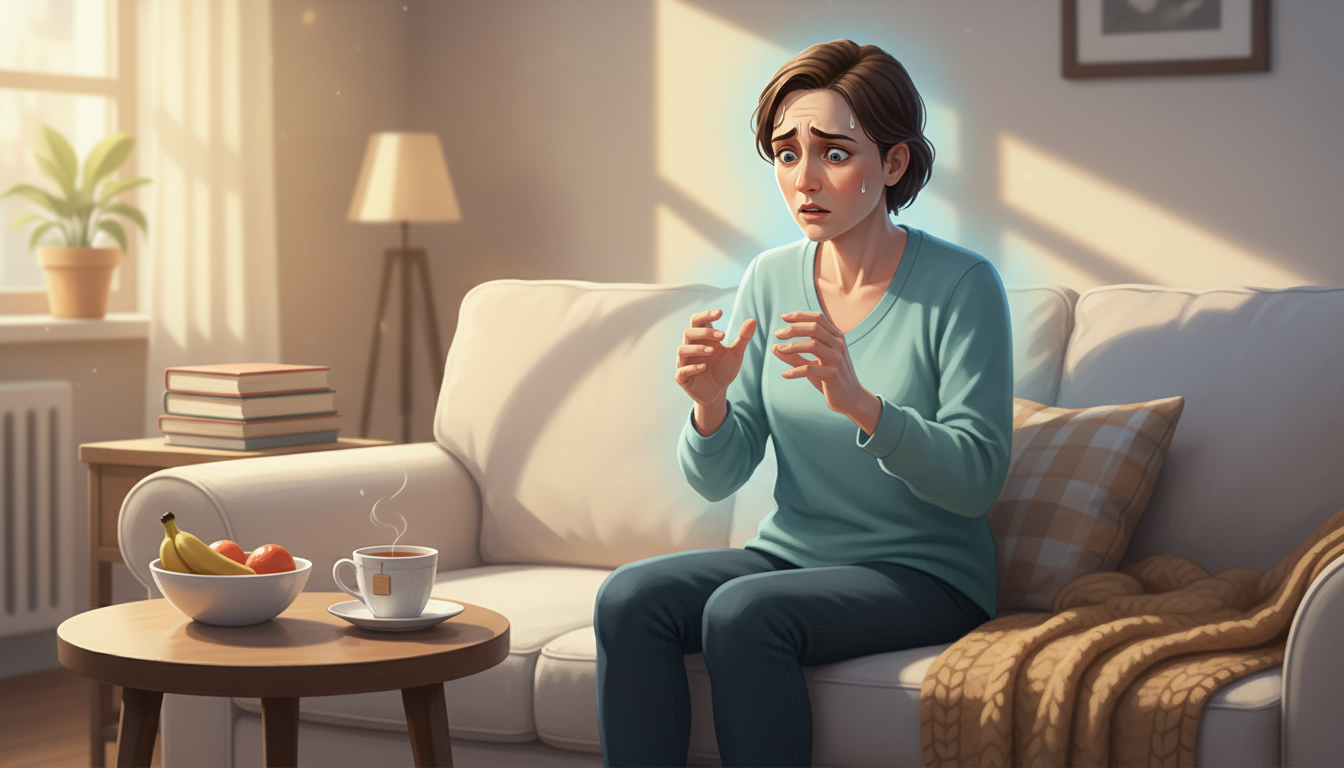
twitching, weakness, heavy body, shaking, trembling hands

  • Why Does My Body Feel So Weak?

    Why Does My Body Feel So Weak?

    Why Your Body Feels Weak and What to Do About It

    Ever have one of those days where simply standing up feels like you just finished a marathon you never signed up for? Your body feels weak, your limbs are heavy, and you’re low‑key wondering, “Am I just tired… or is something actually wrong?”

    Let’s walk through what might be going on, when it’s probably okay to rest and watch Netflix, and when it’s time to call a doctor.

    First: What Do You Mean by “My Body Feels Weak?”

    “Feeling weak” can mean a few different things, and how it actually feels matters:

    • True muscle weakness: You literally can’t do what you normally do (like lifting a grocery bag, standing from a chair, climbing stairs) even when you’re trying your hardest.
    • Fatigue / low energy: You technically can do things, but everything feels like wading through wet cement. Your body feels heavy, tired, or “off,” but if you push, the strength is still there.
    • Shaky or wobbly feeling: You feel unsteady, trembly, or “jelly‑legged,” especially if you’re anxious, hungry, or just stood up quickly.

    Why this matters: True weakness (can’t move like usual) can be more concerning than just feeling worn out. But both are your body’s way of saying, “Hey, can we slow down and figure this out?”

    Takeaway: Step one is noticing: Is it that I can’t move, or that I’m exhausted and everything feels harder than usual?

    Common, Non-Scary Reasons Your Body Feels Weak

    Let’s start with the more everyday stuff that can make your whole body feel weak right now.

    1. You’re Just Really Tired (Sleep Debt Is Real)

    Not sleeping well for even a few nights can leave your body feeling drained, sluggish, and weak.

    Things that mess with sleep and energy:

    • Staying up late scrolling
    • Waking up often during the night
    • Shift work or jet lag
    • Stress and racing thoughts when you try to fall asleep

    Poor sleep doesn’t just make you yawn. It can also:

    • Lower your physical performance
    • Make your muscles feel heavier
    • Tank your motivation to move at all

    Quick check: Have you had several nights of bad or short sleep? If yes, your weak, heavy feeling may be your body asking for real rest, not just coffee.

    2. Dehydration and Not Eating Enough

    If you haven’t eaten much today or haven’t had much water, weakness can hit fast.

    You might notice:

    • Lightheadedness when you stand up
    • Shaky or wobbly sensations
    • Headache
    • Dry mouth or dark yellow pee

    Skipping meals or eating only simple carbs (like just crackers or sweets) can cause blood sugar swings that feel like sudden body weakness or “crash” energy.

    Try this: Drink some water, and have a small balanced snack with protein + carbs + a bit of fat (for example, peanut butter on toast, yogurt with fruit, cheese and crackers). Give it 20–30 minutes and see if you feel even slightly better.

    3. You Overdid It (or Under-Did It)

    Two opposites can both make your body feel weak:

    • Overexertion: New workout, heavy lifting, long hike, or intense sports day? Your muscles may feel rubbery, sore, and drained.
    • Being very inactive: Long periods of sitting or bed rest (after an illness, injury, or just a very sedentary streak) can make even light activity feel weirdly hard.

    Muscles like consistency. Sudden extremes, too much or too little, can translate into that “my body feels weak right now” feeling.

    Takeaway: Think back 24–72 hours. Did you push your body unusually hard? Or barely move at all? Either way, your muscles might be complaining.

    4. Stress, Anxiety, and Burnout

    Stress and anxiety can absolutely make your body feel weak.

    When your brain is on high alert for too long:

    • Your muscles may stay slightly tensed, then feel exhausted.
    • You may hyperventilate a bit (breathing fast or shallow) and feel tingly or weak.
    • Your sleep and appetite often get worse, multiplying the weakness.

    Many people describe it like:

    • “My legs feel like jelly.”
    • “My body feels heavy and drained.”
    • “I feel like I could collapse but my tests are ‘normal.’”

    If your weakness shows up more when you’re stressed, worried, in crowds, at work, or thinking about health problems, anxiety could be playing a big role.

    Takeaway: Mental load shows up in your body. Feeling weak doesn’t always mean something is structurally broken; sometimes your nervous system is just fried.

    Other Possible Causes of Body Weakness (That Deserve Attention)

    There are many possible medical causes of feeling weak. The goal here isn’t to diagnose you, but to give you language and clues so you know what to bring up.

    You might see weakness with:

    1. Viral or Bacterial Infections

    Even mild infections can make your whole body feel weak and achy, sometimes before obvious symptoms appear.

    Clues this might be it:

    • Fever or chills
    • Sore throat, cough, runny nose
    • Stomach issues (nausea, vomiting, diarrhea)
    • Body aches and joints hurting

    Sometimes you just feel “off” and wiped out for a day or two as your immune system kicks in.

    2. Low Iron or Anemia

    If your blood doesn’t carry oxygen efficiently, you may feel constantly tired and weak.

    Common signs:

    • Getting short of breath easily with mild activity
    • Pale skin or inner eyelids
    • Fast heart rate with light exertion
    • Headaches or dizziness

    This is usually checked with a simple blood test. If your weakness has been going on for weeks and you feel drained all the time, it’s worth mentioning to a doctor.

    3. Low Blood Pressure or Blood Sugar Swings

    If your blood pressure or blood sugar drops, it can feel like intense weakness or like you’re about to pass out.

    You may notice:

    • Feeling suddenly weak or shaky
    • Sweating, nausea
    • Blurry vision
    • Feeling better after eating or lying down

    These episodes deserve medical attention, especially if they are recurrent.

    4. Thyroid or Hormone Issues

    Your thyroid and other hormones help regulate your metabolism, energy, and muscle function.

    Hypothyroidism (low thyroid function), for example, can cause:

    • Fatigue and weakness
    • Weight gain or feeling puffy
    • Sensitivity to cold
    • Dry skin, hair changes, constipation

    A blood test can help check for this.

    5. Medication Side Effects

    Some medicines can cause tiredness, dizziness, or muscle weakness as a side effect, including:

    • Blood pressure medications
    • Some anxiety or depression medications
    • Muscle relaxants
    • Certain antibiotics or cholesterol medications

    If your body started feeling weak soon after a medication change, bring that up with your prescriber. Do not stop a prescribed medication on your own without medical advice.

    6. More Serious Neurological or Muscular Issues

    Less commonly, new or severe weakness can be a sign of a problem with your nerves, brain, or muscles.

    Red-flag type weakness can look like:

    • Sudden trouble speaking, smiling, or lifting one side of the face
    • Sudden difficulty moving one arm or leg
    • Trouble walking, frequent falls, or severe imbalance
    • Difficulty swallowing or breathing

    These situations are a medical emergency.

    Takeaway: There’s a big range between “I’m wiped from life” and “this is an emergency.” Duration, severity, and other symptoms matter a lot.

    Quick Self-Check: Questions to Ask Yourself

    Use these questions as a mini checklist, not to diagnose yourself, but to decide your next step.

    1. How long has my body felt weak? Hours? Days? Weeks?
    2. Did it come on suddenly or gradually? Sudden, out of nowhere can be more worrying.
    3. Is it getting better, worse, or staying the same?
    4. Do I feel weak all over, or just in one area (like one arm or leg)?
    5. Do I have other symptoms? Chest pain, trouble breathing, vision or speech changes, fever, weight loss, vomiting, and so on.
    6. Have I slept, eaten, and hydrated reasonably well today?
    7. Has anything in my life changed recently? New medications, stress, workouts, illnesses, travel.

    If your answers are mostly like “It came on gradually,” “I’ve been stressed or not sleeping,” “I haven’t eaten or drunk much today,” and “No scary other symptoms,” then simple self‑care and monitoring may be reasonable for the short term.

    If your answers include “Sudden onset,” “One side of the body,” “Trouble speaking, seeing, or breathing,” or “Chest pain or severe headache,” that leans toward getting urgent medical help now.

    When a Weak Body Is an Emergency

    Call 911 or your local emergency number or go to the emergency room right away if your body feels weak and you notice any of the following:

    • Sudden weakness in the face, arm, or leg, especially on one side of the body
    • Sudden trouble speaking, slurred speech, or not understanding others
    • Sudden confusion, trouble seeing in one or both eyes, or severe dizziness
    • Sudden severe headache unlike anything you’ve had before
    • Chest pain, tightness, or pressure, especially if it spreads to the arm, jaw, or back
    • Shortness of breath or difficulty breathing
    • Fainting or nearly fainting and not quickly improving

    These can be signs of a stroke, heart attack, or other serious problem and should not be ignored.

    If you’re reading this and thinking, “Yeah… that sounds like me right now,” please pause and seek emergency care instead of continuing to scroll.

    When to Schedule a Doctor’s Appointment

    Even if it’s not an emergency, you should book a visit with a healthcare provider soon if:

    • Your body has felt weak for more than a few days and isn’t improving.
    • You’re exhausted almost every day, no matter how much you rest.
    • Weakness comes with unintentional weight loss, ongoing fevers, or night sweats.
    • You feel dizzy, lightheaded, or like you might pass out repeatedly.
    • Everyday tasks (showering, cooking, walking around the house) suddenly feel like a major effort.
    • You just have a strong gut feeling something is off.

    A clinician can ask detailed questions about your symptoms and history, examine your strength, reflexes, and balance, and order blood tests (iron, thyroid, electrolytes, and so on) or other tests if needed.

    You don’t need to show up with “the right answer.” You just need to show up and describe exactly how you feel, including the sentence, “My body feels weak right now, and it worries me.” That’s valid.

    What You Can Do Right Now (If It’s Not an Emergency)

    If your symptoms are mild, have been going on for a short time, and you don’t have any red flags, here are gentle steps you can try today.

    1. Do a Basic Reset: Food, Fluids, and Rest

    Right now, try:

    • Drinking a full glass of water (or an electrolyte drink if you suspect dehydration)
    • Eating a light but balanced snack or meal
    • Taking 10–20 minutes to lie down or sit quietly, away from screens if possible

    Give yourself permission not to power through everything today.

    2. Check Your Breathing and Tension

    When we’re stressed or anxious, we sometimes breathe fast and shallow without noticing.

    Try this simple reset:

    1. Sit or lie comfortably.
    2. Place one hand on your belly.
    3. Inhale gently through your nose for a count of 4, letting your belly rise.
    4. Exhale slowly through your mouth for a count of 6–8.
    5. Repeat for 1–3 minutes.

    Notice if your weak feeling shifts even a little after your body calms down.

    3. Move Gently (If It Feels Safe)

    If you’re not acutely ill and don’t feel like you’re going to faint, try a slow walk around your home, light stretching, or standing up and sitting down a few times. You’re not testing your limits; you’re just checking how your body responds.

    If light movement makes you feel dramatically worse, especially with chest pain, severe shortness of breath, or dizziness, stop and seek care.

    4. Write Down What You’re Noticing

    Grab your phone or a notebook and note:

    • When the weakness started
    • What you were doing at the time
    • What makes it better or worse
    • Any other symptoms (headache, fever, pain, dizziness, and so on)

    If you end up seeing a doctor, this mini log is very helpful. It helps them help you faster.

    You’re Not Being Dramatic — Your Body Is Talking

    Feeling like your body is weak can be scary, especially if you can’t immediately explain it. You might worry you’re overreacting. You might also worry you’re underreacting.

    Here’s the middle path:

    • Listen to your body. The feeling itself is real, even if the cause isn’t obvious yet.
    • Rule out emergencies. If anything feels suddenly severe or just wrong to you, get urgent help.
    • Support your basics. Sleep, food, hydration, and stress management really do move the needle.
    • Loop in a professional if it lasts more than a few days or interferes with daily life.

    For now, consider this your permission slip to rest without guilt, take your symptoms seriously, and ask for help if you need it.

    And if your honest thought is still, “My body feels weak right now and that scares me,” that’s completely understandable. Use that as a reason to get clarity, not as a reason to panic.

    You deserve to feel safe in your own body, and getting curious, not judgmental, about what it’s trying to tell you is a powerful first step.
  • Why Are My Hands Shaking Right Now?

    Why Are My Hands Shaking Right Now?

    Why Your Hands Are Shaking Right Now

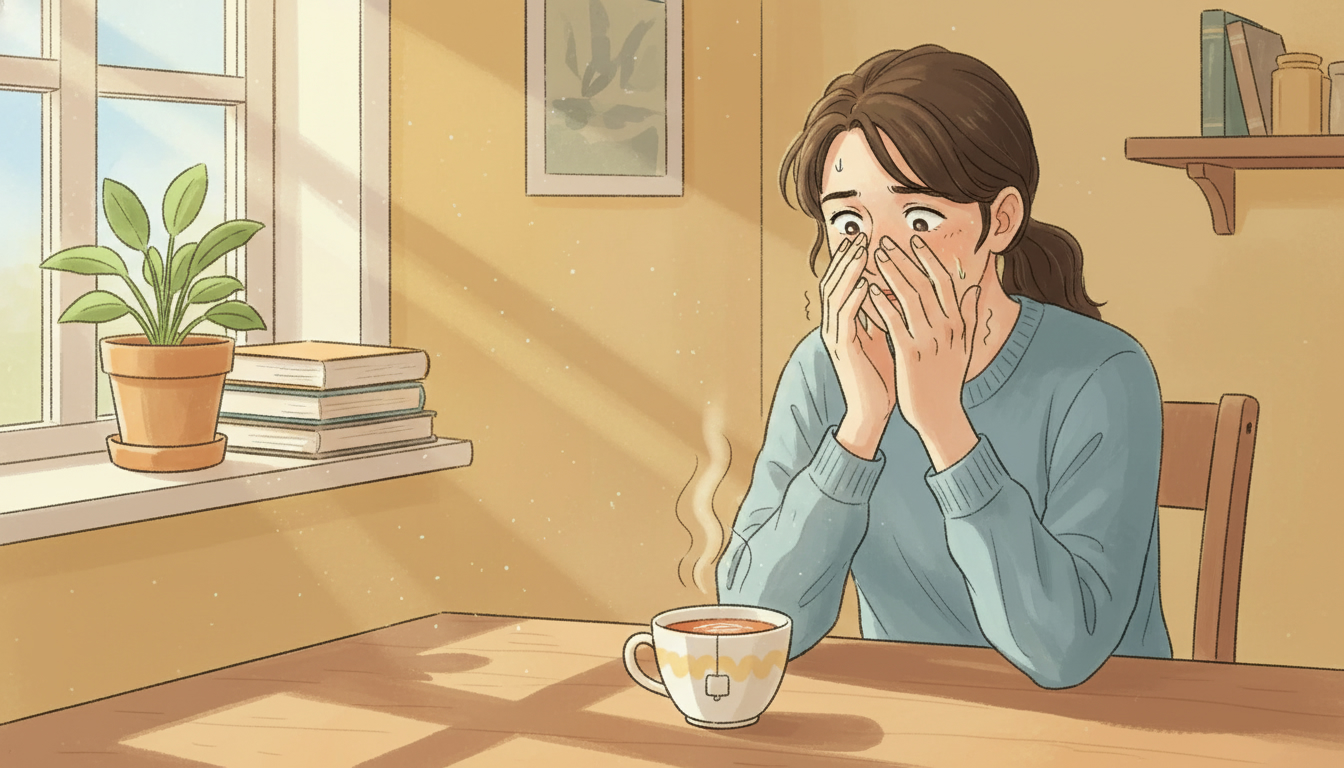
    If you’re reading this while staring at your own trembling hands thinking, “Uh… is this bad?”, you’re in the right place.

    Let’s slow this down (even if your hands aren’t cooperating).

    This post will walk you through common reasons your hands might be shaking right now, what’s usually not an emergency, when it might be, and practical steps you can take next. This is educational only and not a diagnosis or a substitute for medical care.

    First: Is It Normal for Hands to Shake Sometimes?

    Short answer: yes, sometimes.

    Everyone has a tiny amount of natural shake in their hands called physiologic tremor. Most of the time, it’s so small you don’t notice it. But certain things can turn up the volume on that tremor and suddenly you’re like, “Why do my hands look like they’re running on espresso and anxiety?”

    Before jumping to worst‑case scenarios, it helps to do a quick self-check.

    Quick self-check questions:

    • Did you just drink coffee, an energy drink, or a lot of soda?
    • Are you anxious, panicking, or under a lot of stress right now?
    • Have you eaten in the last few hours, or could your blood sugar be low?
    • Did you exercise hard, rush somewhere, or feel overheated?
    • Are you taking a new medication (or changed the dose) recently?

    If you’re already nodding yes to one or more of those, keep reading — we’ll connect the dots.

    Takeaway: A little shakiness, especially during stress, caffeine, or hunger, can be normal — but it’s still worth understanding why it’s happening.

    Common Reasons Your Hands Are Shaking Right Now

    There are many possible causes, but a few show up over and over. We’ll start with the most common and benign ones.

    1. Caffeine, Energy Drinks, or Other Stimulants

    If you had coffee, a pre‑workout drink, or anything labeled “extra energy” recently, your hands might just be chemically hyped up.

    Caffeine and other stimulants increase activity in your nervous system — your heart beats faster, you feel more alert, and your muscles may become a little twitchy. That can show up as hand tremors, jitteriness, and restlessness.

    You’re more likely to notice:

    • Fine shaking when you hold your hands out or try to do precise tasks
    • Racing heart, feeling wired or on edge
    • Trouble sitting still or relaxing

    What you can do:

    • Pause caffeine and energy drinks for the rest of the day.
    • Drink water and have a balanced snack (protein + carbs).
    • Give it a few hours — caffeine effects usually ease as your body metabolizes it.

    Takeaway: If you’re basically powered by iced coffee, your hands might simply be protesting.

    2. Stress, Anxiety, or a Panic Response

    You know that feeling when your body acts like you’re being chased by a bear, but the only thing chasing you is your inbox? That’s your fight‑or‑flight system kicking in.

    When you’re anxious or panicking, your body releases stress hormones like adrenaline. These can cause:

    • Shaking in the hands, legs, or entire body
    • Racing heart, sweating, shortness of breath
    • Feeling detached, dizzy, or “not quite here”

    The shaking doesn’t mean you’re weak or “losing it.” It’s your body trying to mobilize energy fast — it just picked the wrong situation.

    What you can do right now:

    1. Name what’s happening. Tell yourself: “My hands are shaking because my body is stressed, not because I’m in immediate danger.”
    2. Try a 4–6 breathing reset:
      • Breathe in through your nose for 4 seconds.
      • Hold for 2 seconds.
      • Exhale slowly through your mouth for 6 seconds.
      • Repeat for 1–3 minutes.
    3. Grounding check:
      • Look around and name 5 things you can see.
      • 4 things you can feel.
      • 3 things you can hear.
      • 2 things you can smell.
      • 1 thing you can taste.

    These techniques don’t solve the underlying stress, but they can help dial down the immediate shaking.

    Takeaway: Anxiety-triggered hand shaking is extremely common — it feels scary, but it’s often a reversible stress response.

    3. Low Blood Sugar (Haven’t Eaten in a While)

    If your hands are shaking and you also feel:

    • Hungry or “hangry”
    • Lightheaded, weak, or sweaty
    • Irritable or suddenly emotional

    It might be that your blood sugar is low.

    Your brain is very sensitive to changes in glucose (sugar) levels. When they drop, your body reacts by releasing adrenaline to push sugar back into the bloodstream — that adrenaline surge can cause hand tremors.

    Try this experiment:

    • Eat a small, balanced snack: for example, a banana with peanut butter, yogurt with some granola, or cheese and whole‑grain crackers.
    • Drink some water.
    • Wait 15–30 minutes and see if the shaking improves.

    If it fades after eating, low blood sugar was likely part of the story.

    Important: If you have diabetes or a blood sugar disorder, shaking with confusion, sweating, or behavior changes can be serious. Follow your care plan and contact a medical professional or emergency services as directed by your provider.

    Takeaway: Sometimes your hands are shaking because your body is basically saying, “Feed me or I will make everything weird.”

    4. Exercise, Fatigue, or Overexertion

    Hands can shake after a workout, carrying something heavy, or even after intense fine-motor work (like writing, drawing, gaming, or playing an instrument for a long time).

    Your muscles use up energy and can get temporarily fatigued, leading to:

    • Shaky hands when holding objects
    • Weak or wobbly feeling in arms or legs
    • Improvement after rest, hydration, and food

    This kind of shaking usually fades within minutes to a few hours.

    Takeaway: If you just hit a new PR at the gym, your post‑workout tremor is likely your muscles filing a complaint.

    5. Medications and Substances

    Certain medications and substances are known for causing hand tremors in some people. These can include (not an exhaustive list):

    • Some asthma medications
    • Thyroid medications
    • Certain antidepressants or mood stabilizers
    • Some anti‑seizure drugs
    • Stimulant medications (for conditions like ADHD)
    • Excessive alcohol use or alcohol withdrawal

    If your hand shaking started soon after a new medication or dose change, or when you cut back sharply on alcohol or another substance, that’s important context.

    What you can do:

    • Do not stop or change prescription medication on your own.
    • Write down when the shaking happens and anything that makes it better or worse.
    • Contact the prescribing clinician and describe the symptoms.

    Takeaway: Shakiness could be a side effect or withdrawal effect — which is a “talk to a professional” situation, not a “tough it out alone” one.

    6. Essential Tremor and Other Chronic Causes

    If your hands have been shaking for weeks, months, or years (not just today), and it’s especially noticeable when you’re doing things like writing, holding a cup, or using utensils, there are other possibilities.

    One of the most common chronic causes is called essential tremor. This is:

    • A movement disorder that often runs in families
    • Usually worse when using the hands (action tremor), not at rest
    • Sometimes improved a bit by small amounts of alcohol (though that’s not a treatment)

    There are also neurologic conditions, like Parkinson’s disease, that can cause tremors, but these usually come with a specific pattern (for example, more at rest, often starting on one side) and other symptoms. Only a medical professional can properly evaluate and diagnose these.

    If your question is less “Why are my hands shaking right now?” and more “Why have my hands been shaking for ages?”, that’s a sign to schedule a proper medical evaluation.

    Takeaway: Long‑term, persistent hand shaking deserves a calm, thorough work‑up — you don’t have to DIY this.

    Quick At-Home Check: How Bad Is This Right Now?

    This is not a diagnostic test, but it can help you organize what you’re noticing before you talk to anyone else.

    Ask yourself:

    1. How sudden was it?
      • Just started within minutes to hours? Look for recent triggers: caffeine, stress, missed meals, exercise, new meds.
    2. Any red flag symptoms?
      • Chest pain or pressure
      • Trouble breathing
      • Slurred speech, facial drooping, or weakness on one side of the body
      • Confusion, trouble speaking, or severe headache
      • Severe dizziness, fainting, or losing consciousness

      If any of these are present, seek emergency medical care immediately.

    3. Is it only my hands? Or more?
      • Whole body shaking with anxiety or chills can happen in panic or infection.
      • One‑sided weakness or numbness is more concerning.
    4. Could this be withdrawal?
      • Have you recently stopped or sharply reduced alcohol, benzodiazepines, or other substances you used regularly?

    Takeaway: If your shaking comes with serious, sudden, or one‑sided symptoms, or you feel “not right” in a big way, don’t wait — reach out for emergency help.

    What To Do If Your Hands Are Shaking Right Now

    If this does not feel like an emergency, here’s a calm, practical step‑by‑step you can follow.

    Step 1: Pause and Breathe

    Sit down somewhere safe. Put your feet on the floor.

    Try the simple 4–6 breathing pattern again:

    • Inhale for 4 seconds.
    • Hold for 2.
    • Exhale for 6.
    • Repeat for 10–15 breaths.

    Sometimes the act of checking in with your body (instead of fighting it) can slightly reduce tremors caused by stress or adrenaline.

    Step 2: Check the Obvious Triggers

    Run this quick list:

    • Caffeine/stimulants: Did I have coffee, tea, energy drinks, pre‑workout, or stimulant meds recently?
    • Food: When was my last real meal or snack?
    • Sleep: Am I severely sleep‑deprived?
    • Stress: Am I in the middle of an argument, deadline, or panic spiral?
    • Exercise: Did I just work out hard or do something physically intense?

    If one of these is clearly true, address that first:

    • Drink water.
    • Eat something balanced.
    • Reduce or pause caffeine.
    • Give your body time — 30–90 minutes can make a difference.

    Step 3: Observe, Don’t Obsess

    For the next hour or two, instead of checking your hands every 5 seconds, try to notice patterns:

    • Is the shaking only when I reach for things, or even when my hands are resting?
    • Does it change if I’m distracted vs. focused on it?
    • Does it improve after eating, resting, or calming down?

    Jot down a few notes. If you end up talking to a doctor, this info is gold.

    Step 4: Decide Who To Contact (If Anyone)

    Consider reaching out to a medical professional soon (same day or within a few days) if:

    • The shaking is new and doesn’t improve after rest, food, and avoiding stimulants.
    • It’s happening often, interfering with daily tasks (writing, holding a cup, typing).
    • You have other symptoms, like weight loss, racing heart, heat intolerance, or changes in mood or sleep.
    • You’ve started a new medication and this began afterward.

    Seek immediate/emergency care if:

    • The shaking comes with chest pain, severe shortness of breath, or you feel like you might pass out.
    • There’s sudden weakness, numbness, facial drooping, or trouble speaking.
    • You or someone with you is acting very confused, not making sense, or has a sudden, severe headache.

    Takeaway: When in doubt, it’s okay to err on the side of talking to a professional — even if it turns out to be something simple.

    Two Short Real-Life Style Scenarios

    Sometimes it’s easier to recognize yourself in a story.

    Scenario 1: The Caffeine + Deadline Combo

    Alex is on a deadline, stressed, and on their third coffee of the morning. Around noon, they notice their hands shaking while typing and holding a mug. Their heart’s a bit fast, and they feel wired but tired.

    They:

    • Switch to water.
    • Eat lunch with some protein and carbs.
    • Take a 10‑minute walk outside.

    Over the next hour, the tremor fades.

    Likely contributors: Stress + caffeine + possibly low blood sugar.

    Scenario 2: The Long-Term Shaker

    Jordan has noticed their hands shaking for the past year, especially when using utensils or signing documents. It’s slowly getting more noticeable, and they sometimes feel embarrassed in public.

    They schedule a visit with a healthcare provider, who:

    • Takes a medical history and does a neurologic exam.
    • Asks about family history of tremor.
    • Considers conditions like essential tremor and rules out others.

    Jordan learns it’s likely a chronic but manageable condition, and together they discuss treatment options and lifestyle changes.

    Key point: Long‑term shaking deserves real answers; you don’t have to just “live with it” without evaluation.

    Final Word: You’re Not Weird, and You’re Not Alone

    Seeing your own hands shake can feel unsettling, even scary. But you’re far from the only one noticing this — and in many cases, the causes are common, understandable, and treatable.

    To recap:

    • Occasional shaking can be linked to caffeine, anxiety, low blood sugar, fatigue, or medications.
    • Persistent or worsening tremors, or tremors with other symptoms, should be checked out by a healthcare professional.
    • Sudden shaking with serious symptoms (chest pain, trouble speaking, one‑sided weakness, confusion, severe headache) is an emergency situation.

    If your hands are shaking right now, the most important next step is simple: be kind to yourself, check the basics (food, sleep, stress, stimulants), and when in doubt, reach out to a qualified medical professional for personalized advice.

    You don’t have to figure this out alone — and you definitely don’t have to Google yourself into a panic spiral.

  • Sudden Shaky Feeling: What’s Going On?

    Sudden Shaky Feeling: What’s Going On?

    Why You Suddenly Feel Shaky (And What It Might Mean)

    You’re minding your business, scrolling your phone or standing in line, when suddenly your body goes, “Let’s do an earthquake impression.”

    Your hands tremble. Your legs feel wobbly. Maybe your heart speeds up. And then your brain, being super helpful, whispers: “Am I dying?”

    Let’s slow that spiral down.

    This post breaks down what that sudden shaky feeling might be, when it’s probably harmless, when it’s not, and what you can do next. It’s not a diagnosis (that’s your healthcare provider’s job), but it is a calm, clear guide so you don’t have to Google yourself into panic.

    First, What Do We Mean by a “Sudden Shaky Feeling”?

    People describe this a lot of different ways:

    • Hands trembling or fingers shaking
    • Internal shakiness, like you’re buzzing on the inside
    • Legs feeling weak or wobbly
    • A wave of nervous energy or “jitters”
    • Body feels like it’s vibrating or humming

    Sometimes it comes with:

    • Fast heartbeat
    • Sweaty palms
    • Lightheadedness
    • Weird feeling in your chest or stomach

    Key point: “Shaky” can be physical, internal, emotional, or all three. You’re not weird. This is an extremely common human experience.

    Common Causes of a Sudden Shaky Feeling (That Aren’t You Secretly Dying)

    There are many possible explanations, and often more than one is involved. Here are some of the most common.

    1. Low Blood Sugar (Hypoglycemia)

    If you’ve gone too long without eating, or had a big sugary meal and then crashed later, your blood sugar can dip. That can trigger:

    • Shakiness
    • Sweating
    • Feeling weak or faint
    • Irritability (“hangry” to the max)

    People with diabetes are especially familiar with this, but it can happen to anyone.

    Clues it could be blood sugar:

    • You haven’t eaten in several hours
    • You skipped a meal
    • You had caffeine on an empty stomach
    • You feel better after a balanced snack (protein + carbs), like peanut butter and crackers

    Quick support move: Have a small snack and some water. If you have diabetes or take medications that affect blood sugar, follow your provider’s specific plan.

    2. Anxiety and Panic (Even If You Don’t “Feel Anxious”)

    A lot of people say, “But I wasn’t even worried about anything!” Your body, however, can hit the fight-or-flight button automatically. That dumps adrenaline into your system, which can cause:

    • Shaking or trembling
    • Racing heart
    • Tight chest
    • Shortness of breath
    • Sense of doom or “something is wrong”

    This might be:

    • A full panic attack
    • A smaller “adrenaline surge”
    • Background stress finally boiling over

    Mini examples:

    • You’re at work, staring at email, when suddenly your hands shake and heart races.
    • You’re watching TV at night, totally chill (or so you think), and out of nowhere you feel jittery and on edge.

    Anxiety can show up as physical symptoms first, with the thoughts arriving later.

    Takeaway: Shaky + fast heart + sudden fear = your nervous system may be on overdrive.

    3. Too Much Caffeine or Stimulants

    Coffee, energy drinks, pre-workout powders, soda, strong tea, even some medications can all push your nervous system into jitter mode.

    Signs it could be caffeine or stimulants:

    • You had coffee or energy drinks recently or on an empty stomach
    • You increased your usual dose (double espresso instead of one)
    • You feel wired and tired at the same time

    Other stimulants, like some decongestants, ADHD medications, or weight-loss products, can also cause tremors or shakiness.

    Quick check: If your “sudden shaky feeling” tends to hit after caffeine or certain meds, that’s a big clue to bring up with your doctor.

    4. Dehydration and Overheating

    Being even mildly dehydrated or overheated can make you feel:

    • Weak
    • Lightheaded
    • Shaky
    • Off-balance

    This can happen after:

    • Exercising without enough water
    • Being outside in heat
    • Drinking a lot of caffeine or alcohol (both can dehydrate you)

    Support move: Sip water slowly, get to a cooler place, and sit or lie down until you feel steadier.

    5. Lack of Sleep

    When you’re sleep-deprived, your nervous system becomes more sensitive. That can look like:

    • Feeling jumpy or easily startled
    • Hands shaking with effort or stress
    • “Body buzzing” feeling when you’re exhausted

    Sleep debt also makes anxiety, blood sugar swings, and caffeine effects all worse. It’s like turning up the volume on every other possible cause.

    Takeaway: Sometimes your body isn’t being dramatic; it’s just begging you to go to bed earlier.

    6. Normal Post-Exertion Adrenaline

    You might get shaky after:

    • Intense exercise
    • A stressful event (public speaking, argument, near-miss while driving)

    This can be your body burning off adrenaline. You may feel:

    • Legs shaking after a tough workout or long run
    • Hands trembling after a scary or emotional moment

    Usually this passes in minutes to an hour.

    7. Medications and Substances

    Some medications and substances can cause tremors or sudden shakiness, including but not limited to:

    • Certain asthma medications
    • Thyroid medication (especially if dose is high)
    • Some antidepressants or antipsychotics
    • Withdrawal from alcohol, benzodiazepines, or other substances

    If your symptoms started soon after a new medication or a dose change, that’s very important to tell your prescriber.

    Takeaway: Never just stop a prescription on your own. Always check with your provider.

    More Serious Causes You Should Know About (Without Panicking)

    Most of the time, a sudden shaky feeling is not an emergency. But sometimes, it can be part of something that needs urgent care.

    Here are some red flags to watch for.

    When “Sudden Shaky Feeling” Could Be Serious

    Call emergency services or seek urgent care immediately if your shaky feeling comes with:

    • Chest pain or pressure
    • Trouble breathing
    • A feeling like you might pass out or you do pass out
    • Sudden weakness or numbness in the face, arm, or leg (especially on one side)
    • Trouble speaking, slurred speech, confusion, or trouble understanding others
    • Sudden severe headache (“worst headache of my life”)
    • High fever, stiff neck, or confusion
    • Violent, uncontrollable shaking that looks like a seizure

    Also seek prompt medical attention if:

    • The shaking is constant and getting worse
    • You notice muscle stiffness, slowed movement, or a resting tremor (like in Parkinson’s disease)
    • You’ve had a recent head injury
    • You have diabetes and suspect very low or very high blood sugar

    Takeaway: Shaky + new serious symptoms = don’t wait it out. Get help.

    Is It a Tremor, Anxiety, or Something Else?

    Let’s break it down a bit more.

    What Is a Tremor?

    A tremor is an involuntary, rhythmic shaking of part of your body—often hands, arms, head, or voice. Some tremors:

    • Happen mostly when you’re using the muscle (reaching, holding, writing)
    • Happen mostly when you’re resting

    Causes can range from essential tremor (a common movement disorder) to medications, thyroid issues, neurological conditions, or simply aging.

    If you notice:

    • Persistent shaking that doesn’t go away
    • Family history of tremors
    • Difficulty with tasks like writing, drinking from a glass, or using utensils

    It’s worth getting evaluated by a healthcare provider.

    What Does Anxiety Shakiness Feel Like?

    Anxiety-related shakiness often:

    • Comes in waves
    • Is triggered (or worsened) by stress, social situations, or overthinking
    • Comes with other anxiety symptoms (racing heart, dread, nausea)
    • Improves as you calm down or distract yourself

    You might feel it more inside your body than see it from the outside.

    Takeaway: Persistent, pattern-based shaking = get it checked. Intermittent, situation-based shaking often points more toward anxiety or temporary triggers.

    What to Do in the Moment When You Suddenly Feel Shaky

    Here’s a simple, non-dramatic plan you can follow.

    Step 1: Pause and Check Safety

    • Sit or lie down if you’re lightheaded.
    • If you’re driving, safely pull over.

    Ask yourself: “Am I having any emergency red-flag symptoms?” (chest pain, trouble breathing, confusion, one-sided weakness, etc.)

    If yes, seek emergency care.

    If no, go to step 2.

    Step 2: Check Basic Needs

    Gently run through this list:

    • When did I last eat?
    • Have I had water today?
    • Did I have caffeine, alcohol, or new meds?
    • How did I sleep last night?

    If you might be hungry, dehydrated, or overly caffeinated, address that first:

    • Have a small, balanced snack
    • Sip water
    • Avoid more caffeine or alcohol for now

    Step 3: Calm Your Nervous System

    Even if the cause is physical (like low blood sugar), calming your nervous system can help reduce the shaky feeling.

    Try:

    1. Box breathing (4–4–4–4)

      • Inhale through your nose for 4 seconds.
      • Hold for 4 seconds.
      • Exhale slowly through your mouth for 4 seconds.
      • Hold empty for 4 seconds.
      • Repeat for 1–3 minutes.
    2. Grounding with your senses

      • Name 5 things you can see
      • 4 things you can feel
      • 3 things you can hear
      • 2 things you can smell
      • 1 thing you can taste

    This tells your brain, “We are here, we are safe.”

    Step 4: Observe, Don’t Obsess

    Instead of spiraling (“What if this is [insert worst-case scenario]?”), try narrating it like a neutral observer:

    • “My hands are shaking a bit.”
    • “My heart is beating faster.”
    • “The feeling is strong, but I am still breathing.”

    Most non-dangerous episodes of shakiness peak within minutes and slowly fade.

    Takeaway: Safety first, then simple checks, then calm breathing—no need for a complex protocol.

    How to Track Patterns (So Your Doctor Actually Has Useful Info)

    If this isn’t a one-time thing, tracking matters.

    For a week or two, jot down when you feel shaky and note:

    • Time of day
    • What you were doing
    • What you’d eaten and drunk in the last few hours
    • Sleep the night before
    • Stress level (0–10)
    • Any other symptoms (heart racing, sweating, dizziness, etc.)

    Patterns to look for:

    • Does it always happen before meals?
    • After coffee or energy drinks?
    • Only in social settings or high-pressure situations?
    • Mostly when you’ve slept poorly?

    Bring this log to your healthcare provider—it can seriously speed up figuring out what’s going on.

    Takeaway: Future-you will thank present-you for writing things down.

    Lifestyle Tweaks That Can Reduce Sudden Shakiness Episodes

    While you should always tailor changes with a healthcare professional, these general habits often help reduce how often or how intensely that sudden shaky feeling shows up.

    1. Steadier Eating Habits

    • Aim for regular meals and snacks instead of long gaps.
    • Include protein + complex carbs + healthy fats (for example: eggs and whole-grain toast, Greek yogurt with fruit and nuts, rice and beans, chicken with vegetables).
    • Avoid huge sugar bombs on an empty stomach.

    2. Smarter Caffeine Use

    • Cap your caffeine if you notice jitters. For many people, staying under about 400 mg per day is advised, but some are more sensitive.
    • Don’t slam energy drinks when you haven’t eaten.
    • Avoid doubling your usual dose “just because it’s a rough day.”

    3. Sleep Like It Actually Matters

    • Aim for 7–9 hours of sleep for most adults.
    • Try consistent bed and wake times.
    • Keep screens dim at night and wind down with something non-stressful.

    4. Basic Nervous System Care

    • Gentle daily movement (walking, stretching, yoga, light strength training)
    • Relaxation practices: breathing exercises, meditation, journaling, prayer, or whatever helps you downshift
    • Reduce “constant threat input”: doomscrolling, nonstop bad news, constant notifications

    Takeaway: Small, boring habits often do more than any fancy hack.

    When to Talk to a Doctor About Your Sudden Shaky Feeling

    It’s a good idea to book an appointment if:

    • The shaky episodes are frequent, new, or getting worse
    • They interfere with daily tasks (holding objects, writing, walking, focusing)
    • You have other symptoms, like weight loss or gain, mood changes, racing heart, or feeling unusually hot or cold
    • You have a medical condition like diabetes, thyroid disease, or a history of heart or neurological problems
    • You’re on medications or substances that might cause tremors

    Your provider might:

    • Ask detailed questions about your symptoms and history
    • Check your blood pressure, heart rate, and do a physical or neurological exam
    • Order lab tests (like blood sugar, thyroid, electrolytes)
    • Adjust medications or refer you to a specialist (neurologist, endocrinologist, psychiatrist, etc.)

    Important: Only a licensed medical professional who can evaluate you directly can diagnose what’s causing your symptoms.

    The Bottom Line: You’re Not Alone, and You’re Not Imagining It

    A sudden shaky feeling can be scary, especially when it hits out of nowhere. But in many cases, it’s your body reacting to:

    • Blood sugar swings
    • Stress and anxiety
    • Caffeine and stimulants
    • Dehydration, lack of sleep, or overexertion

    That said, don’t ignore it if:

    • It’s new and intense
    • It keeps happening
    • It comes with other concerning symptoms

    Use it as a signal—not to panic, but to pay attention, support your body, and loop in a healthcare provider when needed.

    You deserve to feel steady in your own skin. And if your body’s throwing shaky plot twists at you, you don’t have to figure it out alone.

  • Sudden Weakness In Legs: What Now?

    Sudden Weakness In Legs: What Now?

    Sudden Weakness in Legs: What It Could Mean and What to Do

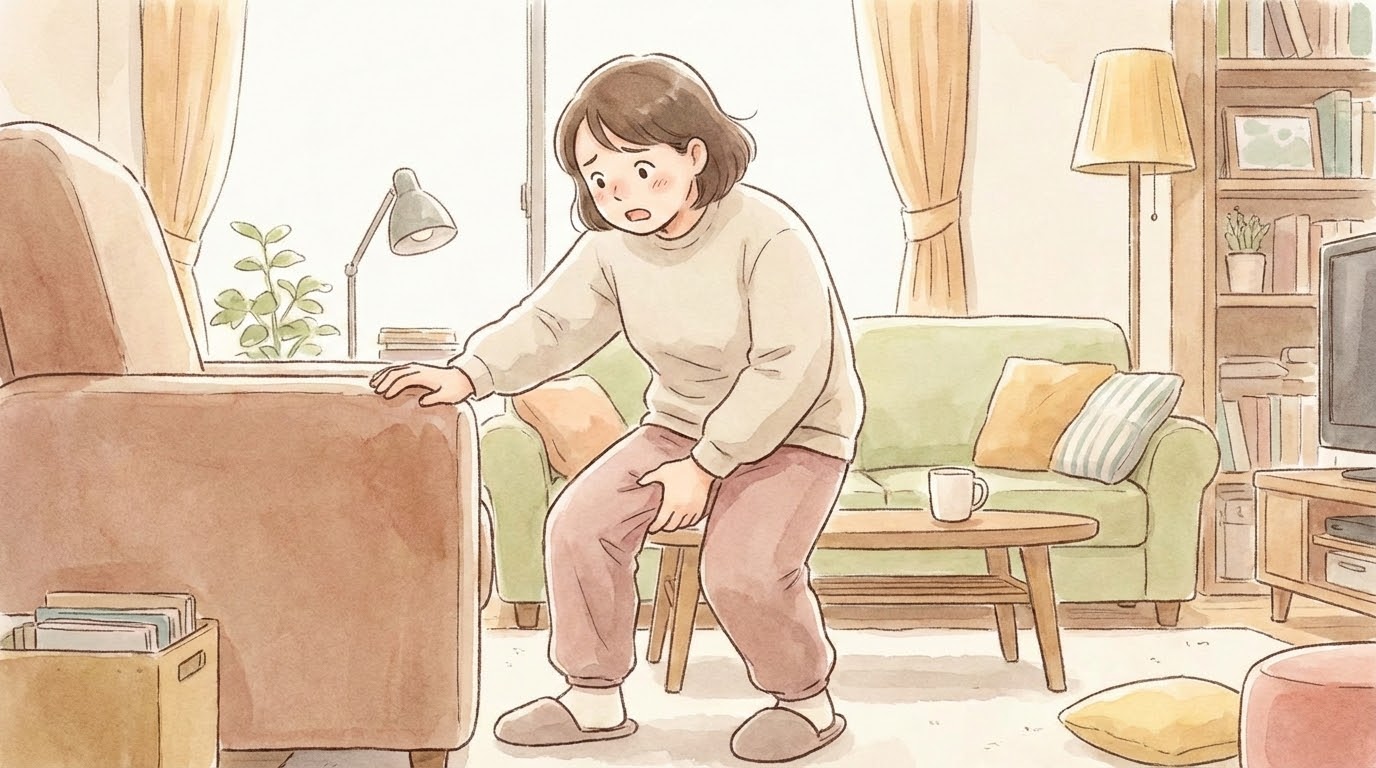
    First: Is It Really “Weakness” or Just Tired or Heavy Legs?

    A lot of people say “my legs feel weak” when they’re actually describing:

    • Fatigue (you overdid it at the gym)
    • Wobbliness or unsteadiness (a balance or vertigo issue)
    • Painful legs that make it hard to move (but the strength is still there)

    True muscle weakness means:

    • You cannot move or hold your leg like you normally can
    • Climbing stairs, standing from a chair, or lifting your foot is suddenly way harder or impossible
    • It’s not just “these feel heavy” — it’s “my leg literally won’t do what I’m asking”

    If your legs suddenly stop cooperating in a way that feels brand new and dramatic, that’s a red flag.

    Quick takeaway: If it’s a true loss of power, not just tiredness, treat it seriously.

    Red-Flag Symptoms: When Sudden Leg Weakness Is an Emergency

    Sudden weakness in one or both legs can be a medical emergency. Call 911 or emergency services immediately if your leg weakness comes on suddenly and you notice any of the following.

    Stroke-like symptoms

    Call 911 right away if leg weakness is accompanied by:

    • Face drooping on one side
    • Slurred or garbled speech
    • Trouble understanding others
    • Arm weakness or numbness
    • Sudden trouble walking or loss of balance

    Use the FAST rule (Face, Arms, Speech, Time): if anything seems off, don’t wait and see.

    Symptoms pointing to spinal cord compression

    Seek emergency care immediately if you have:

    • Sudden leg weakness plus loss of bladder or bowel control
    • Numbness in the groin, buttocks, or inner thighs (often described as “saddle anesthesia”)
    • Severe back pain with new difficulty walking or moving your legs

    This can be a sign of cauda equina syndrome or spinal cord compression, which needs urgent treatment to prevent permanent damage.

    Other serious warning signs

    Get urgent help if leg weakness comes with:

    • Sudden paralysis (you cannot move one or both legs)
    • Trouble breathing, chest pain, or feeling like you might pass out
    • Severe headache or sudden confusion
    • Loss of vision, double vision, or trouble controlling eye movements

    Quick takeaway: If your gut says “this feels wrong,” especially if symptoms are sudden, severe, or spreading, don’t wait—go to the ER or call 911.

    Common (and Not-So-Common) Causes of Sudden Leg Weakness

    There’s a long list of possibilities. Some are urgent, some are not, but nearly all should be evaluated by a healthcare professional if they’re new or unexplained.

    1. Stroke or transient ischemic attack (TIA)

    A stroke happens when blood flow to part of the brain is interrupted. This can cause sudden weakness or paralysis in one leg, or one side of the body, depending on which part of the brain is affected.

    A TIA (mini-stroke) causes similar symptoms that may improve within minutes to hours, but it’s still an emergency and a major warning sign.

    Clues:

    • Sudden onset
    • Often one-sided (right leg or left leg)
    • May include face drooping, speech problems, vision issues, or confusion

    Bottom line: Anything that looks like a stroke is treated as a stroke until proven otherwise.

    2. Nerve or spinal cord problems

    Your brain may be fine, but the wiring that carries signals to your legs can get damaged or compressed.

    Common culprits include:

    • Herniated disc in the lower spine
    • Spinal stenosis (narrowing of the spinal canal)
    • Pinched nerve (radiculopathy)
    • Spinal cord compression from injury, tumor, severe arthritis, or infection

    What it can feel like:

    • Sudden or gradually worsening weakness in one or both legs
    • Shooting pain down a leg (sciatica)
    • Numbness, tingling, or electric-shock sensations
    • Worse with certain movements, like bending or twisting

    When to worry more:

    • Weakness is getting worse
    • You can’t control your bladder or bowels
    • You have numbness in your inner thighs, buttocks, or groin

    3. Peripheral nerve issues (outside the spine)

    Sometimes the problem is in the peripheral nerves (the branches that run through your legs), not the brain or spine.

    Examples:

    • Peripheral neuropathy (often related to diabetes, alcohol use, infections, or vitamin B12 deficiency)
    • Guillain–Barré syndrome (GBS) – an autoimmune condition where your immune system attacks your nerves, usually starting in the legs and moving upward
    • Nerve injury from trauma, prolonged pressure, or surgery

    Guillain–Barré in particular is an emergency — it can move from leg weakness to trouble breathing over days.

    Red-flag pattern:

    • Leg weakness that started recently and is getting worse over hours to days
    • Often begins in the feet and legs and moves upward
    • May include tingling, loss of reflexes, or difficulty walking

    4. Muscle problems (myopathies)

    Sometimes the muscles themselves are the issue.

    Causes can include:

    • Medication side effects, especially from certain cholesterol drugs (statins), steroids, or drug interactions
    • Inflammatory muscle diseases (like polymyositis or dermatomyositis)
    • Electrolyte imbalances (like very low potassium or sodium)
    • Thyroid disorders

    What it feels like:

    • Trouble climbing stairs, rising from a chair, or lifting your legs
    • Often affects both sides more symmetrically
    • May come with muscle pain, tenderness, or dark urine (in severe muscle breakdown)

    5. Temporary, less-threatening causes

    Not every episode of leg weakness means something catastrophic, but it still deserves attention if it’s new.

    More benign explanations can include:

    • Overexertion: You worked your legs hard and now they’re jelly.
    • Dehydration or heat exhaustion: Can cause fatigue, cramping, and a “my legs might give out” feeling.
    • Low blood sugar: Shaky, weak, sweaty, lightheaded, plus wobbly legs.
    • Anxiety or panic attacks: Adrenaline surges can make your legs feel like they’re going to buckle.

    These usually:

    • Come with a clear trigger (exercise, heat, missed meals, intense stress)
    • Improve with rest, fluids, food, or calming down

    Still, if it’s severe, out of character, or not clearly explained, get checked.

    Real-Life Scenarios: What Might Be Going On?

    Scenario 1: The “Out of Nowhere” Collapse

    You’re walking across the room and suddenly your right leg feels weak and drags. You stumble, your spouse notices your speech sounds slightly off, and one side of your face looks uneven.

    Most concerning possibility: Stroke.

    What to do: Don’t drive yourself. Call 911 immediately. Time is brain.

    Scenario 2: The Back-Pain Plus Weakness Combo

    You’ve had lower back pain for a week. Today you noticed your left leg feels weaker, and you’re tripping more when you walk. You also feel some numbness going down the back of your thigh.

    Possibility: Herniated disc or pinched nerve in the lower spine.

    What to do: Same-day or urgent appointment with a doctor, urgent care, or ER if symptoms are significant or worsening. If you suddenly lose bladder or bowel control or can barely move the leg, go to the ER.

    Scenario 3: The Post-Viral Slide

    Two weeks ago you had a respiratory or stomach virus. Now your feet feel tingly, walking feels strange, and over a couple of days your legs feel weaker. Stairs are suddenly hard.

    Possibility: Guillain–Barré syndrome.

    What to do: This is urgent. Go to the ER and clearly state: “I’ve had progressively worsening leg weakness for a few days after a viral illness.”

    Scenario 4: The Gym Warrior

    You did heavy squats yesterday after months off. Today, your legs feel wobbly and weak, but if you push through, they still work. No numbness, no back pain, no trouble speaking or controlling your bladder.

    Possibility: Delayed onset muscle soreness and fatigue.

    What to do: Rest, hydrate, light stretching. But if pain is extreme, swelling is severe, or urine turns dark (like cola), get checked to rule out serious muscle breakdown.

    What Will Doctors Usually Check for Sudden Leg Weakness?

    If you go to urgent care or the ER for sudden, unexplained leg weakness, expect something like this.

    1. History and questions

    They’ll ask things like:

    • When did this start? Sudden or gradual?
    • One leg or both? Getting better, worse, or staying the same?
    • Any back pain, neck pain, or injuries?
    • Changes in vision, speech, swallowing, or face drooping?
    • Any recent infections, vaccinations, or new medications?
    • Any problems with bladder or bowel control?

    2. Physical and neurologic exam

    This may include:

    • Testing strength in different muscle groups
    • Checking reflexes with a reflex hammer
    • Evaluating balance, gait, and coordination
    • Testing sensation (light touch, pinprick, vibration)

    3. Possible tests

    Depending on what they suspect, they may order:

    • Blood tests (electrolytes, sugar, thyroid, vitamin levels, muscle enzymes)
    • Brain imaging (CT or MRI) to check for stroke or other brain issues
    • Spine MRI to look for disc herniation, spinal stenosis, or compression
    • Nerve conduction studies / EMG (usually later, with a neurologist)
    • Lumbar puncture (spinal tap) in suspected Guillain–Barré or certain infections

    You won’t necessarily need all of these. The pattern of your symptoms guides the workup.

    Quick takeaway: You don’t need to self-diagnose. Your job is to show up and clearly describe what you’re feeling and when it started.

    What You Can Do Right Now (Before You’re Seen)

    These steps are not a substitute for medical care, but they can help you stay safe until you’re evaluated.

    1. Don’t push through it

    If your legs are suddenly weak:

    • Avoid driving
    • Avoid stairs if possible
    • Use support (wall, railings, cane, walker, or another person)

    Falling can turn a bad situation into a worse one.

    2. Check for other symptoms

    Ask yourself:

    • Am I having trouble talking or finding words?
    • Is my face drooping? Can I smile evenly?
    • Is one arm weak or numb?
    • Do I feel chest pain, trouble breathing, or a severe headache?
    • Any loss of bladder or bowel control or numbness around the groin?

    If yes to any of these, go to the ER now.

    3. Don’t self-medicate heavily

    Avoid:

    • Taking a bunch of leftover prescription meds
    • Drinking alcohol to “relax” your muscles

    Both can mask symptoms that doctors need to see clearly, or make things worse.

    4. Call for help

    If you’re alone and worried about falling or getting to care, call a family member, friend, or emergency services. Don’t risk it if your legs feel unreliable.

    Can Sudden Weakness in Legs Be Cured?

    It depends entirely on the cause:

    • Stroke: Some people recover significantly with early treatment and rehab; others may have lasting weakness. Early treatment improves odds.
    • Herniated disc or pinched nerve: Many cases improve with time, physical therapy, and sometimes medication or surgery.
    • Guillain–Barré: Many people recover well with proper treatment, though it can take months.
    • Nutritional or metabolic causes (like low B12 or thyroid issues): Often very treatable once the underlying problem is fixed.
    • Muscle overuse or dehydration: Typically short-lived with rest and proper care.

    The key is finding the real cause early, not guessing and hoping it goes away.

    When It’s Okay to See a Regular Doctor (Not the ER)

    You should still get seen soon, but you can usually start with your primary care provider or a clinic if:

    • Weakness is mild, not worsening, and not truly sudden (more gradual over days or weeks)
    • There are no red-flag signs: no face drooping, no speech trouble, no bowel or bladder changes, no severe back pain, no major trauma
    • You can still walk, though maybe with some difficulty

    Even then, don’t sit on it for weeks. Make an appointment within a few days.

    The Bottom Line: Listen to Your Legs (and Your Gut)

    Sudden weakness in the legs is not something to shrug off as “I’m just tired” — especially if it:

    • Comes out of nowhere
    • Affects one side more
    • Is accompanied by changes in speech, face, vision, or bladder or bowel control

    If you’re reading this because it’s happening right now and you’re scared, the safest move is simple: err on the side of getting urgent medical help.

    You are not overreacting by going to the ER or calling 911 when your legs suddenly stop working the way they should. Walking away with reassurance is always better than staying home and wishing you’d gone.

    And once everything is evaluated and you’ve got answers, that’s when the real work begins: rehab, prevention, and rebuilding trust in your body — one solid step at a time.