
Can Anxiety Make Your Heart Race Right Now?
Disclaimer: This article is for general information only and isn’t medical advice or a diagnosis. If you have severe symptoms or think it may be an emergency, call your local emergency number.
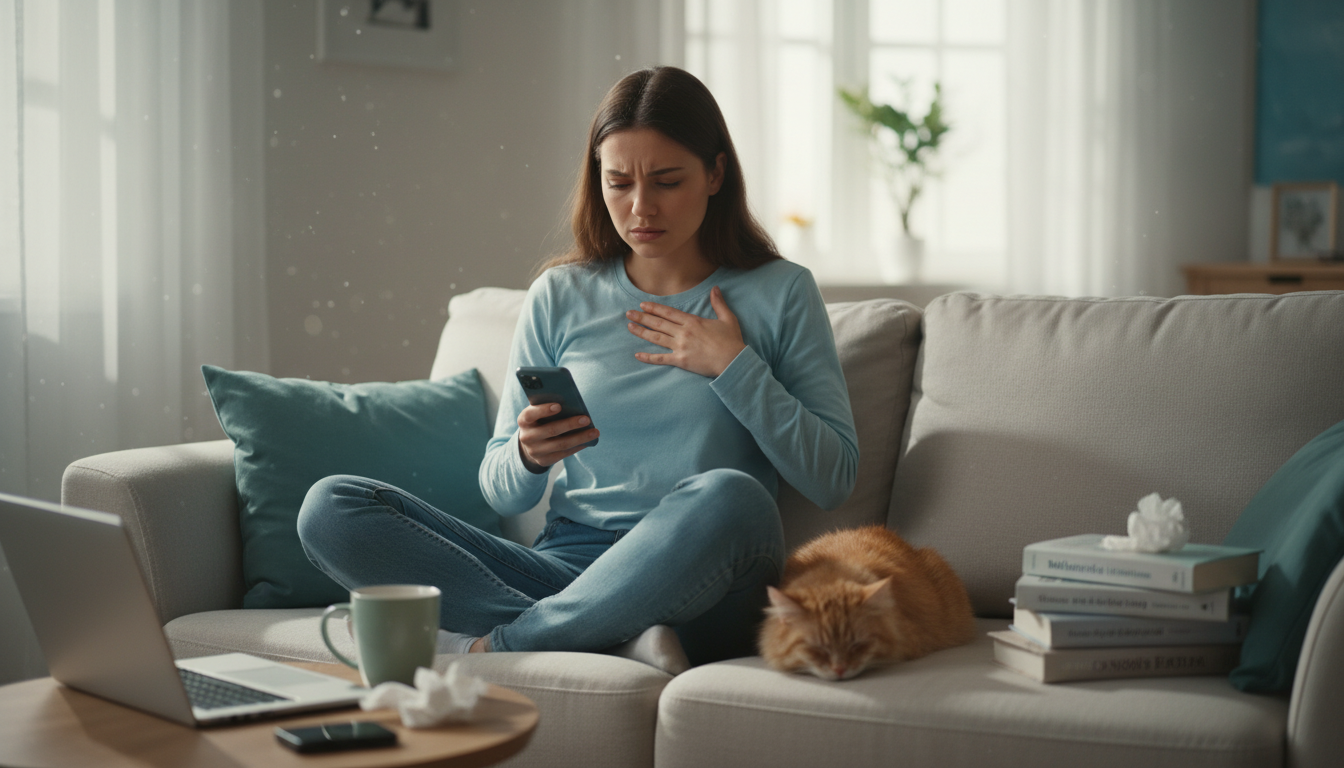
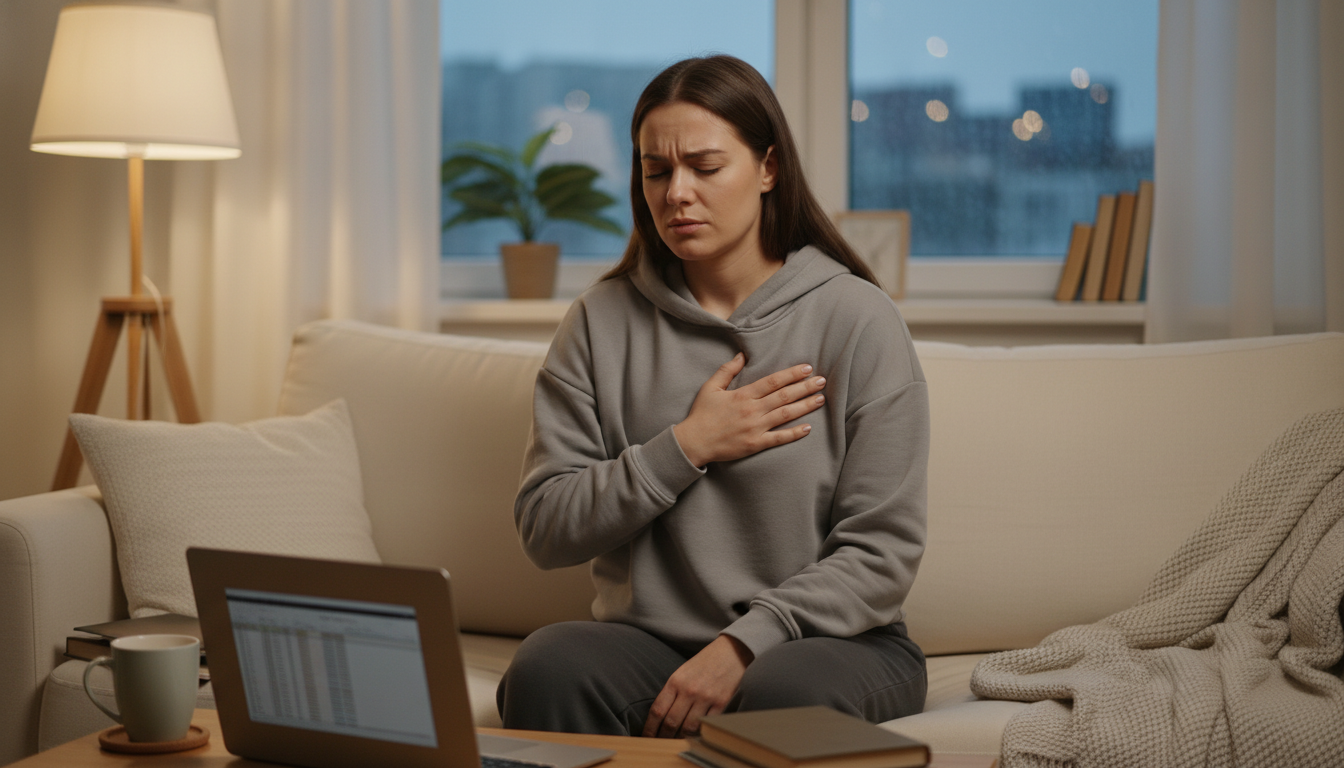
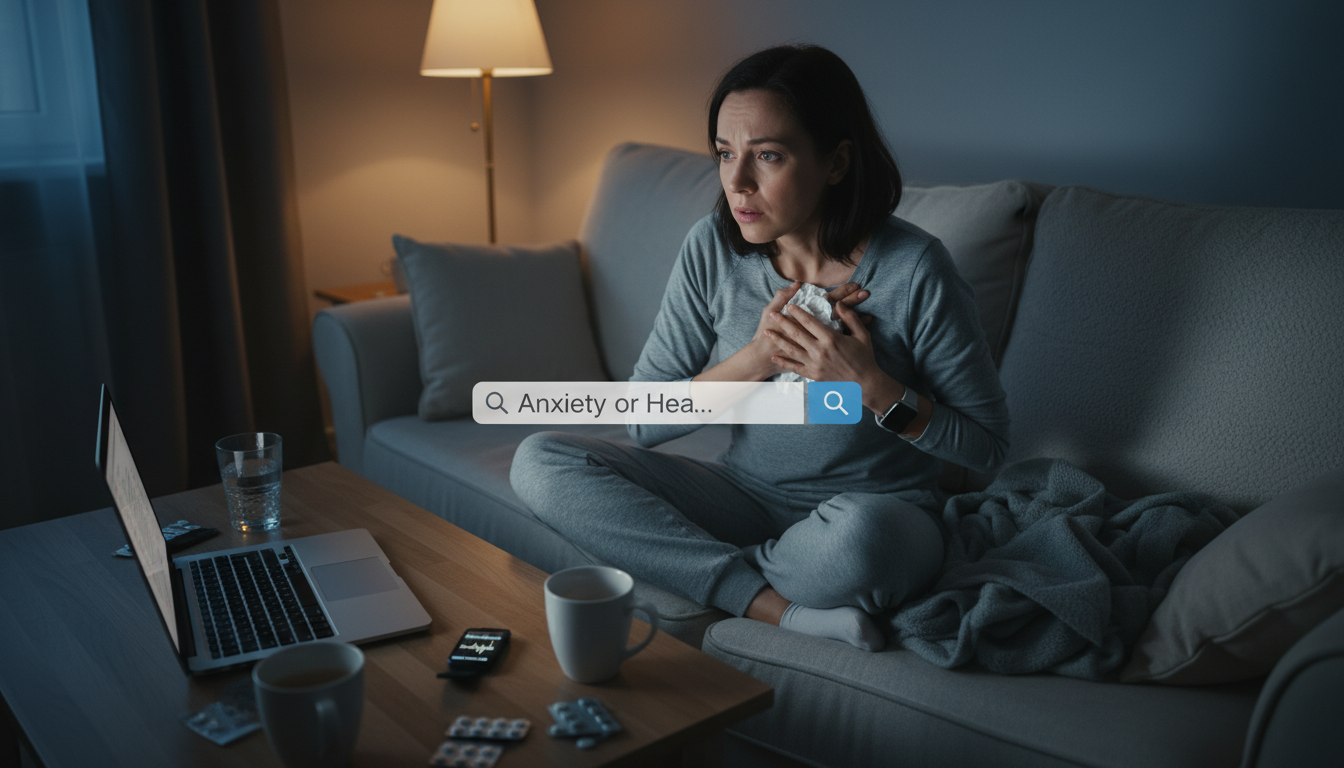
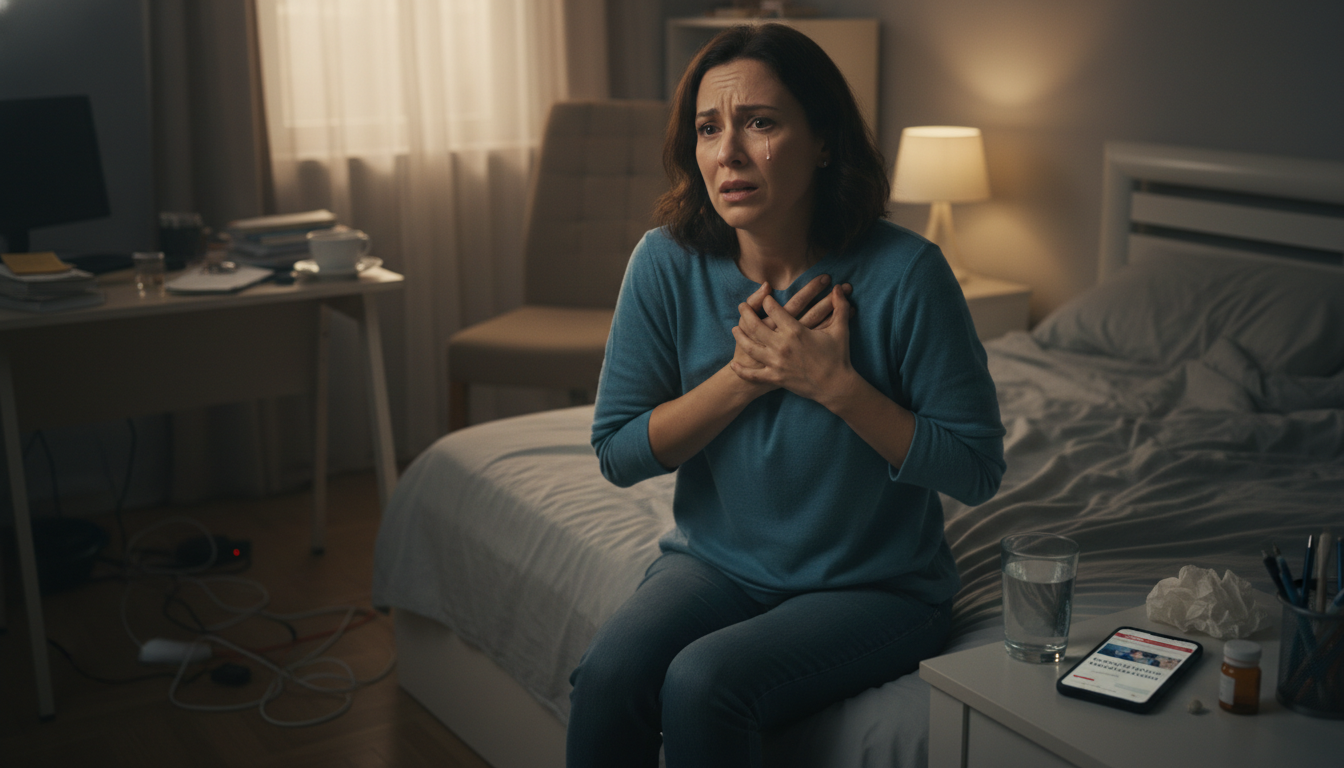
You’re sitting there, not running, not at the gym, just existing. Then out of nowhere: thump-thump-thump-thump. Your heart is pounding like you just sprinted up five flights of stairs. You check your pulse, maybe your smartwatch, and your brain whispers: “Am I dying… or is this just anxiety?”
Let’s talk about whether anxiety can make your heart race right now, why it happens, what’s normal-ish vs. not, and when it’s time to get medical help.
Can anxiety really make your heart race right now?
Yes. Anxiety can absolutely make your heart race in this exact moment, even if you’re just sitting still.
When you feel anxious, your body activates the fight-or-flight response. Your brain (specifically areas like the amygdala) decides something might be dangerous and signals your adrenal glands to release adrenaline (epinephrine) and other stress hormones.
Those hormones tell your heart to:
- Beat faster (increased heart rate)
- Beat harder (stronger, more noticeable beats)
- Send more blood to your muscles (in case you need to run or fight)
So you get:
- Racing heart
- Heart pounding in your chest, throat, or neck
- Fluttering or skipped beats (palpitations)
All of that can happen within seconds of feeling anxious—or even before you consciously realize you’re anxious.
Takeaway: Yes, anxiety can make your heart race suddenly, even right now, without exercise or obvious triggers.
What does an “anxiety heart” feel like?
Everyone describes it a bit differently, but here are common experiences:
- “My heart is hammering out of my chest.”
- “I can feel every single beat—it’s uncomfortable.”
- “It feels like it’s skipping, flipping, or fluttering.”
- “It suddenly speeds up for a few seconds or minutes, then eases.”
This racing heart from anxiety often comes with other anxiety symptoms, such as:
- Tight chest or pressure
- Shortness of breath or feeling like you can’t get a deep breath
- Sweaty palms, shaky hands, or trembling
- A lump in your throat or nausea
- Feeling of doom or “something bad is about to happen”
The combo of a racing heart plus fear something is wrong with your heart is classic for panic and health anxiety.
Takeaway: Anxiety-related heart racing usually comes with a cluster of other stress or panic symptoms.
Why does anxiety make your heart race even when you’re calm(ish)?
Here’s the frustrating part: you don’t have to feel consciously stressed for anxiety to affect your heart.
A few sneaky reasons:
-
Background stress
Maybe you’ve been running on fumes all week—poor sleep, too much caffeine, nonstop worrying. Your body is stuck in a slightly “revved up” mode, so even a small trigger (a weird body sensation, an intrusive thought, a notification) can spike your heart rate. -
Body-sensation sensitivity
If you’re anxious about your health, you’re probably checking your pulse, noticing little flutters, or focusing on your chest. The more you tune in, the louder those sensations feel—and the more anxious you get. The result is a feedback loop. -
Adrenaline afterthought
Sometimes adrenaline hits before your thoughts catch up. You suddenly feel your heart pound, then your brain goes, “Wait, why is my heart doing that? Am I okay?” That worry adds even more adrenaline. -
Conditioned response
If you’ve had a panic attack before, your brain may link a normal sensation (like a slight increase in heart rate) with danger. So the moment you notice your heart, your brain hits the panic button.
Takeaway: Your body can be on high alert under the surface, and your heart responds—even if on paper, nothing is happening.
What heart rate is normal, and when is it anxiety?
A typical resting heart rate for adults is around 60–100 beats per minute (bpm). Some people, especially if they’re very fit, can sit in the 50s and still be totally healthy. With anxiety or panic, heart rate can jump to 100–140 bpm or higher without any physical exertion.
Anxiety-related racing heart often:
- Starts fairly quickly
- Peaks within minutes
- Eases as you calm down (maybe over 10–30 minutes)
That said, you cannot reliably tell anxiety vs. a heart problem based on heart rate alone. A fast heart rate can be benign, anxiety-driven, or a sign of something that needs care.
Takeaway: Anxiety can push your heart rate well over 100 bpm, but numbers alone don’t give the full picture. Context and symptoms matter.
Anxiety vs. emergency: how do I tell the difference?
You should not try to self-diagnose a heart emergency from a blog.
However, here are some general red-flag signs that mean you should get urgent or emergency medical care (call 911 or your local emergency number):
- Sudden chest pain or pressure that is crushing, heavy, or tight, especially if it:
- Spreads to the arm, jaw, back, or neck
- Comes with sweating, nausea, or vomiting
- Shortness of breath that is severe or getting worse
- Fainting or passing out
- A racing heart that doesn’t slow down at all over time and you feel seriously unwell
- Confusion, trouble speaking, or one-sided weakness
- Severe, new, or “worst ever” chest symptoms, especially if you have risk factors like older age, high blood pressure, diabetes, smoking, or known heart disease
If you’re debating, “Is this anxiety or something dangerous?” and you can’t shake the worry, it’s much safer to get checked.
Takeaway: When in doubt—especially with new, intense, or strange chest symptoms—err on the side of medical evaluation.
Can anxiety cause long-term heart damage?
For most people with a healthy heart, occasional anxiety-related racing heart or palpitations is not the same as a heart attack and doesn’t usually cause lasting damage.
But chronic, uncontrolled stress and anxiety aren’t totally harmless either. Long-term high stress is linked with:
- Higher blood pressure
- Increased inflammation
- Higher risk of heart disease over time
So while one panic attack won’t “break” your heart, regularly living in fight-or-flight mode isn’t ideal for heart health—or any part of your life.
Takeaway: The occasional anxiety surge isn’t usually dangerous in itself, but managing stress is important for your long-term heart health.
What to do when anxiety makes your heart race right now
If your heart is racing right this second and you suspect it’s anxiety, here are steps that may help.
1. Check for immediate red flags
Ask yourself:
- Am I having severe chest pain or pressure?
- Is the pain spreading to my arm, jaw, back, or neck?
- Am I extremely short of breath, dizzy, or about to faint?
- Do I feel confused or unable to think clearly?
If yes to any of these, or something simply feels very wrong, seek emergency care.
If no, move to calming strategies.
2. Slow your breathing on purpose
A racing heart often follows fast, shallow breathing. You can flip that by making your breath slower and deeper.
Try this simple pattern for a few minutes:
- Breathe in gently through your nose for 4 seconds.
- Hold for 2–4 seconds.
- Breathe out slowly through your mouth for 6–8 seconds, like you’re fogging up a window.
- Repeat for 2–5 minutes.
Your heart rate may not drop instantly, but you’re signaling your nervous system: “We’re safe. Stand down.”
Takeaway: Calm, slow breathing is one of the fastest ways to start dialing down a racing heart from anxiety.
3. Ground your body in the present
Anxiety likes to yank you into the future (“What if this is serious?”). Grounding pulls you back into right now.
Try:
- 5–4–3–2–1 method: Name 5 things you can see, 4 you can feel, 3 you can hear, 2 you can smell, 1 you can taste.
- Temperature: Splash cool water on your face or hold something cool. The physical sensation can reset your focus.
- Movement: Gently stretch your neck, shoulders, and arms. Light movement can help your body process adrenaline.
Takeaway: Getting out of your head and into your senses helps break the anxiety–heart racing loop.
4. Talk to yourself like you’d talk to a friend
What you tell yourself in the moment matters.
Instead of:
- “This is it, something’s horribly wrong.”
Try:
- “My heart is racing, and I’ve felt this before with anxiety.”
- “This is uncomfortable, not necessarily dangerous.”
- “My body is in fight-or-flight. I’m helping it calm down.”
You’re not denying how you feel; you’re reframing it with context, which can dial down fear.
Takeaway: Gentle, realistic self-talk can keep fear from pouring gasoline on the fire.
5. Look at your habits that might be making it worse
Some everyday things can make anxiety and heart racing more likely:
- Caffeine and energy drinks: Coffee, pre-workout, energy drinks, and even strong tea can spike heart rate and jitters.
- Nicotine: Smoking or vaping can increase heart rate and blood pressure.
- Alcohol: Can cause heart palpitations during or after drinking (including the next day “hangxiety”).
- Dehydration: Low fluids can make your heart work a bit harder.
- Lack of sleep: Makes your brain and nervous system more reactive.
You don’t have to be perfect, but small tweaks—like cutting back caffeine or staying hydrated—can reduce how often your heart starts racing out of nowhere.
Takeaway: Sometimes your “racing heart problem” is partly a “too much caffeine, not enough sleep” problem.
When should I see a doctor about anxiety and heart racing?
Even if you strongly suspect anxiety, it’s very reasonable—and often wise—to talk with a healthcare professional, especially if:
- The racing heart episodes are new or feel different from your usual anxiety
- They’re happening frequently (for example, several times a week)
- You have other health conditions (like high blood pressure, diabetes, or known heart issues)
- You’re avoiding activities or places because you’re scared your heart will act up
A clinician may:
- Ask about your symptoms and history
- Check your blood pressure, pulse, and oxygen level
- Listen to your heart and lungs
- Possibly order tests like an ECG/EKG, basic blood work, or a monitor to wear at home
If everything checks out, the good news is you can focus on managing anxiety without constantly wondering if your heart is secretly failing.
Takeaway: Getting evaluated isn’t overreacting; it’s a smart way to rule out serious issues and give yourself peace of mind.
How can I manage anxiety long term so my heart chills out?
Once emergencies and heart conditions are ruled out, you can work on the root: anxiety itself.
Evidence-based options include:
- Therapy (especially CBT)
Cognitive behavioral therapy helps you change unhelpful thought patterns (“I’m definitely dying”) and reduce fear around body sensations. - Lifestyle basics
- Regular movement (walks, light exercise, stretching)
- Consistent sleep schedule
- Limiting caffeine and alcohol
- Building in actual downtime
- Relaxation practices
Breathing exercises, meditation, gentle yoga, or progressive muscle relaxation can retrain your nervous system to spend more time in “rest-and-digest” mode. - Medication (when appropriate)
For some people, medications like SSRIs or other anti-anxiety meds, prescribed and monitored by a clinician, can significantly reduce symptoms. This is a conversation to have with your healthcare provider, not something to self-start or self-stop.
Takeaway: Anxiety-driven racing heart is best managed by treating anxiety itself—not just reacting to every episode.
The bottom line
- Yes, anxiety can make your heart race right now, even when you’re not moving.
- It does this through your body’s natural fight-or-flight response.
- A racing heart from anxiety is usually temporary, but it can feel terrifying and very real.
- Always take new, severe, or unusual chest or heart symptoms seriously and get medical help if you’re unsure.
- Once emergencies are ruled out, focusing on anxiety management, lifestyle, and support can dramatically reduce how often your heart suddenly goes into overdrive.
Your heart isn’t your enemy—it’s doing its best with the messages it’s getting. The more you learn to calm the anxiety, the more your heart can get the memo: “We’re safe. You can relax.”
Sources
- Mayo Clinic – “Anxiety disorders” (symptoms, physical effects of anxiety)
https://www.mayoclinic.org/diseases-conditions/anxiety/symptoms-causes/syc-20350961 - Mayo Clinic – “Heart palpitations” (causes including stress and anxiety, when to seek care)
https://www.mayoclinic.org/diseases-conditions/heart-palpitations/symptoms-causes/syc-20373196 - Cleveland Clinic – “Tachycardia” (fast heart rate, when it’s concerning)
https://my.clevelandclinic.org/health/diseases/22152-tachycardia - MedlinePlus (U.S. National Library of Medicine) – “Panic disorder”
https://medlineplus.gov/panicdisorder.html - American Heart Association – “Stress and Heart Health”
https://www.heart.org/en/healthy-living/healthy-lifestyle/stress-management/stress-and-heart-health - National Institute of Mental Health – “Anxiety Disorders”
https://www.nimh.nih.gov/health/topics/anxiety-disorders