Sudden Shortness of Breath: What It Might Mean and What to Do
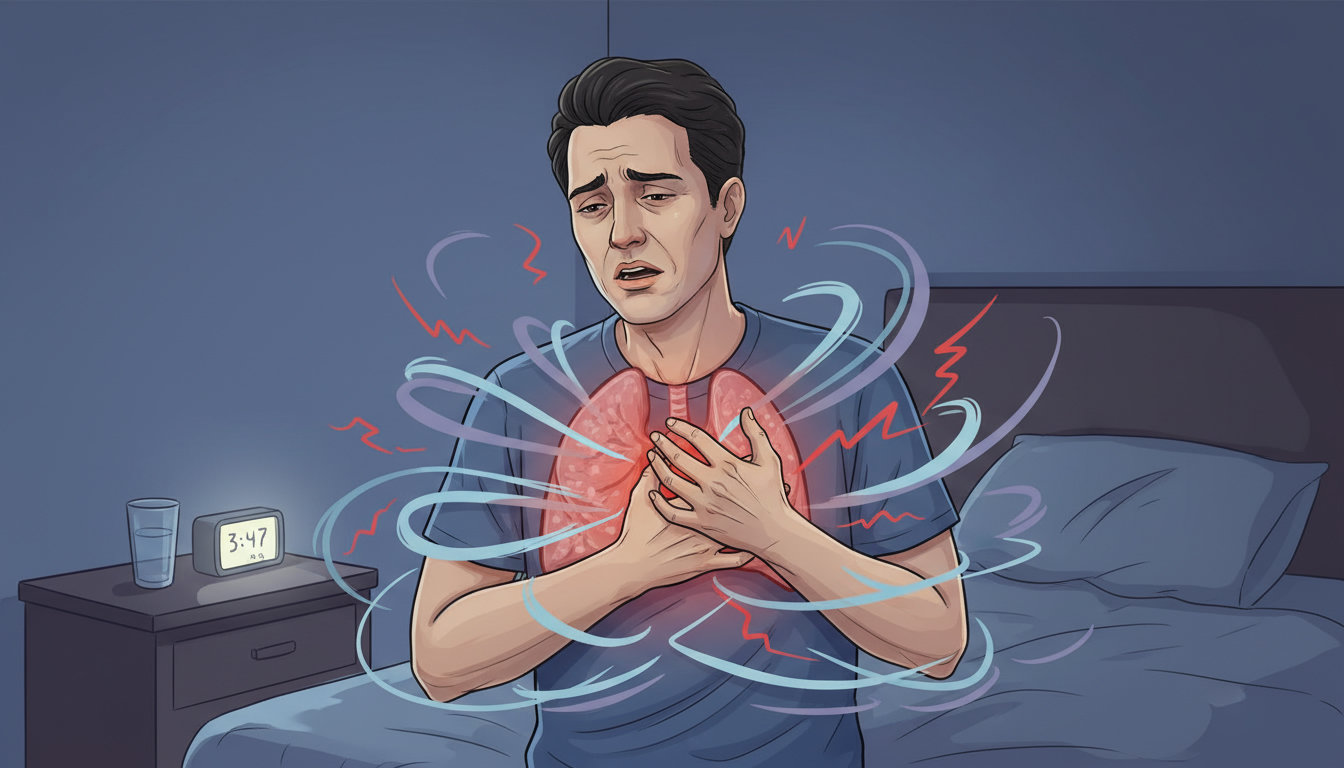
You are walking up the stairs, mid-sentence on a call, and suddenly it feels like someone turned the oxygen down. You stop, grab the railing, and think: “Why am I this out of breath?”
If you have ever had sudden shortness of breath, you know it can go from mildly annoying to deeply terrifying very fast.
This article unpacks what might be going on, how to tell an emergency from a “monitor this” situation, and what to do next, without sending you into a search-induced panic spiral.
Quick disclaimer: This is educational, not a substitute for seeing a doctor or calling 911. If you are worried, err on the side of getting help.
What Counts as Sudden Shortness of Breath?
Shortness of breath (medical term: dyspnea) is that uncomfortable feeling that you cannot get enough air, are breathing harder than usual, or need to work to breathe.
“Sudden” usually means it:
- Starts over seconds to minutes (for example, out of nowhere at rest or with minimal activity), or
- Worsens dramatically over a short time, even if you have had mild shortness of breath before.
People describe it as:
- “I can’t catch my breath.”
- “I feel like I’m suffocating.”
- “My chest feels tight, like I can’t expand it.”
- “I can’t finish a sentence without stopping to breathe.”
Key idea: A slow, months-long change (like getting more winded over years of deconditioning) is concerning but different from a sudden, big change. Sudden means you should pay closer attention.
Red-Flag Signs: When Sudden Shortness of Breath Is an Emergency
If you have sudden shortness of breath plus any of these, call 911 or your local emergency number immediately:
-
Chest pain or pressure
- Especially if it is heavy, squeezing, burning, or radiates to your arm, jaw, back, or neck.
- Could signal a heart attack or serious heart problem.
-
Blue or gray lips, face, or fingertips
- Sign of low oxygen.
-
Confusion, trouble speaking, or altered consciousness
- The brain may not be getting enough oxygen.
-
You cannot speak full sentences
- If you can only get out a few words at a time because you are so breathless.
-
Severe wheezing or noisy breathing (stridor)
- High-pitched, squeaky, or tight-sounding breaths can signal airway obstruction or severe asthma.
-
Sudden shortness of breath after choking or swallowing something
- Possible foreign body in the airway.
-
Crushing chest pain and sudden breathlessness after exertion or at rest
- Possible pulmonary embolism (blood clot in the lungs) or heart attack.
-
Frothy, pink, or blood-tinged sputum
- Can be a sign of acute heart failure or significant lung bleeding.
-
Severe anxiety plus physical breathing changes plus sense of impending doom
- Could be a panic attack, which is usually not life-threatening, but if it is a first-time event or you are not sure, it still deserves urgent evaluation to rule out heart and lung issues.
Bottom line: If your gut says “this is not normal,” and especially if it started suddenly at rest, do not self-diagnose. Get emergency care.
Common Causes of Sudden Shortness of Breath (From Urgent to Less Urgent)
Shortness of breath can come from problems in the lungs, heart, blood, airway, or even your brain and emotions. Here are some of the more common categories.
1. Lung Emergencies
These tend to come on quickly and feel scary.
Pulmonary embolism (PE) – blood clot in the lung
- Sudden shortness of breath, often with sharp chest pain that worsens when you breathe in, rapid heart rate, and maybe coughing up blood.
- Often happens after recent surgery, long travel, immobilization, pregnancy, or blood clot history.
- This is a 911 or emergency room situation.
Pneumonia
- Shortness of breath with fever, chills, and cough, often with yellow, green, or bloody mucus.
- Pain with deep breaths, feeling very sick or weak.
- Can develop over hours to days.
Pneumothorax (collapsed lung)
- Air leaks into the space around the lung, causing it to collapse.
- Can happen spontaneously (especially in tall, thin young adults or people with lung disease) or from trauma such as a rib fracture or stab wound.
- Sudden sharp chest pain plus one-sided breath sound changes.
- Needs emergency care.
Asthma attack
- Wheezing, tight chest, cough, and difficulty breathing, especially if you have a history of asthma.
- Severe attacks can be life-threatening.
COPD flare (for people with chronic lung disease)
- Worsening shortness of breath, increased cough, more sputum.
- Often triggered by infections or irritants like smoke.
Takeaway: If breathing changes fast and you feel worse by the minute, it is not a “wait a few days” problem.
2. Heart-Related Causes
The heart and lungs share the workload of getting oxygen into your body. When the heart struggles, you often feel it in your breathing.
Heart attack (myocardial infarction)
- Sudden chest pain or pressure, shortness of breath, sweating, nausea, lightheadedness.
- Not everyone has classic chest pain. Some people, especially women, older adults, and people with diabetes, mainly feel shortness of breath, fatigue, or nausea.
Acute heart failure or fluid in the lungs (pulmonary edema)
- Shortness of breath, especially lying flat or waking you up at night gasping.
- Swollen legs or ankles, rapid weight gain from fluid, fatigue, and sometimes coughing frothy or pink-tinged mucus.
Arrhythmias (abnormal heart rhythms)
- Heart suddenly racing, irregular, or pounding with feeling breathless, dizzy, or about to faint.
Takeaway: Heart-related breathlessness often shows up with chest discomfort, swelling, or extreme fatigue. New or severe symptoms should be evaluated urgently.
3. Airway and Allergy Causes
These are often dramatic but may respond quickly to the right treatment.
Anaphylaxis (severe allergic reaction)
- Sudden shortness of breath, swelling of lips, tongue, or throat, hives, itching, drop in blood pressure, feeling faint.
- Often triggered by foods, insect stings, medications, or latex.
- This is an emergency. Use an epinephrine auto-injector if you have one and call 911.
Asthma and severe bronchospasm
- Tight chest, wheezing, coughing, using neck or chest muscles to breathe.
- If your usual inhaler is not helping or you are getting worse, the emergency room is the right move.
Choking or foreign body
- Sudden inability to talk, high-pitched or no sound when breathing in, clutching throat.
- Needs immediate first aid and emergency response.
Takeaway: If your throat, lips, or tongue are involved, or breathing is noisy and tight, do not wait.
4. Panic Attacks and Anxiety
Panic attacks can feel exactly like something deadly is happening.
Common features include:
- Sudden intense fear or sense of doom
- Rapid, shallow breathing (hyperventilation)
- Chest tightness or pain
- Tingling in hands, feet, or around the mouth
- Racing heart, sweating, shaking
Panic-related shortness of breath often:
- Comes with a wave of anxiety or a trigger such as a crowded place, conflict, or fearful thought.
- Improves when you slow your breathing or are distracted.
- Has normal tests when checked in an emergency room.
However, you should not assume it is “just anxiety” if you have never been evaluated or if something feels different from your usual pattern. Many people with heart or lung problems were initially told it was anxiety.
Takeaway: Panic attacks are real and miserable, but they do not damage your lungs or heart. Still, ruling out physical causes, especially the first time, is smart.
5. Anemia, Blood Issues, and Other Medical Conditions
Sometimes your lungs are fine, but your blood is not carrying enough oxygen or your body is under extra stress.
Anemia (low red blood cells)
- Shortness of breath with exertion, fatigue, pale skin, dizziness, rapid heart rate.
- Can be due to low iron, chronic disease, vitamin deficiencies, blood loss, or other causes.
Infections, sepsis, or high fevers
- Illness can raise your body’s oxygen demand so even normal lungs feel overworked.
Thyroid problems
- Overactive thyroid (hyperthyroidism) can cause racing heart and breathlessness.
- Underactive thyroid (hypothyroidism) can cause fatigue and exercise intolerance.
Obesity or deconditioning
- Not “sudden” in the classic sense, but people often notice it suddenly, like one day you realize you are more winded on stairs than you used to be.
Takeaway: Even if symptoms are not dramatic, gradual changes matter. Shortness of breath on mild exertion that is new for you is worth checking.
How to Quickly Assess Your Own Breathing at Home
This is not a substitute for medical care, but these steps can help you make sense of what you are feeling.
Step 1: Check How Limited You Are
Ask yourself:
- Can I speak in full sentences, or only a few words at a time?
- Am I struggling at rest, or only with exertion such as climbing stairs or walking?
- Did this start suddenly, or has it been building over days or weeks?
If you cannot speak full sentences or are short of breath at rest, that leans toward urgent or emergency.
Step 2: Look for Obvious Triggers
- Did this start after exercise, allergic exposure, a stressful event, or choking?
- Is there a known condition such as asthma, heart failure, COPD, or anxiety that could explain it?
This does not rule anything in or out but helps you explain it clearly to a clinician.
Step 3: Check for Visual Red Flags
If you can, in a mirror or with someone’s help, look for:
- Blue or gray lips or fingers
- Heavy use of neck or chest muscles to breathe (visible strain)
- Confusion, very drowsy appearance, or looking like you are about to faint
Any of those signs mean emergency care now.
Step 4: If You Have Devices, Use Them
- Pulse oximeter (finger oxygen reader): A normal adult reading is typically 95–100 percent at rest. Under about 92 percent at rest, especially if dropping or with symptoms, is concerning and often needs urgent evaluation.
- Home blood pressure monitor: Very low or very high blood pressure plus breathlessness can mean heart or circulation trouble.
If your numbers are off and you feel bad, do not wait.
Takeaway: Home checks are useful data, but symptoms matter more than gadgets. A normal oxygen reading does not mean you can ignore crushing chest pain.
What Doctors Usually Do to Evaluate Sudden Shortness of Breath
If you go to urgent care or the emergency room, expect some combination of the following:
- History and physical exam
- When did it start? What were you doing? Any associated chest pain, cough, fever, swelling, anxiety?
- Listening to lungs and heart, checking oxygen levels, heart rate, and blood pressure.
- Basic tests (depending on how you present):
- Pulse oximetry and maybe arterial blood gas to check oxygen and carbon dioxide.
- Chest X-ray to look for pneumonia, collapsed lung, heart enlargement, or fluid.
- Electrocardiogram (ECG or EKG) to screen for heart attack or abnormal rhythms.
- Blood tests for infection markers, anemia, heart strain markers, clot risk, and other issues.
- CT scan of the chest if a pulmonary embolism or other serious lung issue is suspected.
- Echocardiogram (heart ultrasound) if heart function is in question.
Treatment might include oxygen, inhalers, steroids, antibiotics, blood thinners, diuretics to remove fluid, or other targeted therapies depending on the cause.
Takeaway: The goal is not just to make you breathe better but to find and treat the underlying cause.
When It Is Probably Not an ER-Level Emergency (But Still Worth a Check)
These are situations where you may be able to see your primary care clinician or a same-day clinic instead of the emergency room, assuming no red flags:
- You notice you are more winded on stairs or hills than a few weeks ago, but you are comfortable at rest.
- You have a mild cough and low-grade fever, are breathing a bit harder but talking normally and not looking seriously ill.
- You have known anxiety or panic disorder, the episode feels like your past attacks, and it is resolving with your usual coping tools, but it is happening more often.
- You have mild worsening of asthma or allergies, and your inhaler is helping but not as much as usual.
Even then, if something shifts or worsens quickly, upgrade to urgent or emergency care. You are allowed to change your mind.
Practical Steps You Can Take Right Now
If you are currently not in immediate crisis but worried about your breathing in general, here is what you can do:
-
Track your symptoms
- When do you feel short of breath? At rest? With exertion? Lying down? At night?
- What makes it better or worse?
- Bring this timeline and any photos or home readings, such as pulse oximeter values, to your visit.
-
List your risk factors
- Smoking or vaping history
- Asthma, COPD, heart disease, blood clots, cancer, recent surgery, long flights, pregnancy
- Medications, including birth control or hormone therapy
-
Book a medical appointment soon if:
- Your breathing has gotten noticeably worse over days to weeks.
- You are skipping activities you used to do because of breathlessness.
- You are not sure whether something like anemia, asthma, or heart disease might be in play.
-
Do not self-treat with random medications
- Old antibiotics, steroids, someone else’s inhaler, or leftover opioids will not solve the root problem and can make diagnosis harder or create new issues.
-
Lifestyle changes that support better breathing over time
- Quit smoking or vaping.
- Build gradual cardiovascular fitness if cleared by your clinician.
- Maintain a healthy weight.
- Manage conditions like high blood pressure, diabetes, and sleep apnea.
Takeaway: The best time to investigate non-emergency shortness of breath is before it turns into a crisis.
Simple Breathing Tools for Mild Episodes (Not Emergencies)
For situations where you have been medically cleared or know this is typical for you, such as mild anxiety or deconditioning, these can help you feel more in control.
Pursed-Lip Breathing
- Inhale slowly through your nose for about 2 seconds.
- Purse your lips like you are blowing out a candle.
- Exhale slowly through pursed lips for about 4 seconds.
This can help keep your airways open a bit longer and improve air exchange. It is often used by people with COPD but can be helpful for many.
4-6 Breathing (for Anxiety-Driven Breathlessness)
- Inhale through your nose for a count of 4.
- Exhale gently through your mouth for a count of 6.
- Repeat for a few minutes.
Longer exhales can calm the nervous system and help break the hyperventilation cycle.
Important: These are adjuncts, not cures. If something feels wrong, do not try to breathe through a heart attack.
The Bottom Line: Listen to Your Lungs and Your Gut
Sudden shortness of breath is one of those symptoms you should never ignore. It can mean anything from “you just sprinted up the stairs and your fitness is a bit rusty” to “your lungs, heart, or blood are in serious trouble and need immediate care.”
When in doubt:
- If it is sudden, severe, or comes with chest pain, blue lips, confusion, or inability to speak in full sentences, treat it as an emergency.
- If it is new or gradually worse over days to weeks, schedule a medical evaluation soon.
You do not get bonus points for toughing out breathing issues. Getting checked early is how small problems stay small and how big problems get caught in time.
If you have been noticing “I am more out of breath than I used to be,” consider this your nudge to bring it up with a clinician. Your future self, and your lungs, will benefit.
Leave a Reply