Shortness of Breath After a Shower: What It Might Mean
Is It Normal to Feel Short of Breath After a Shower?
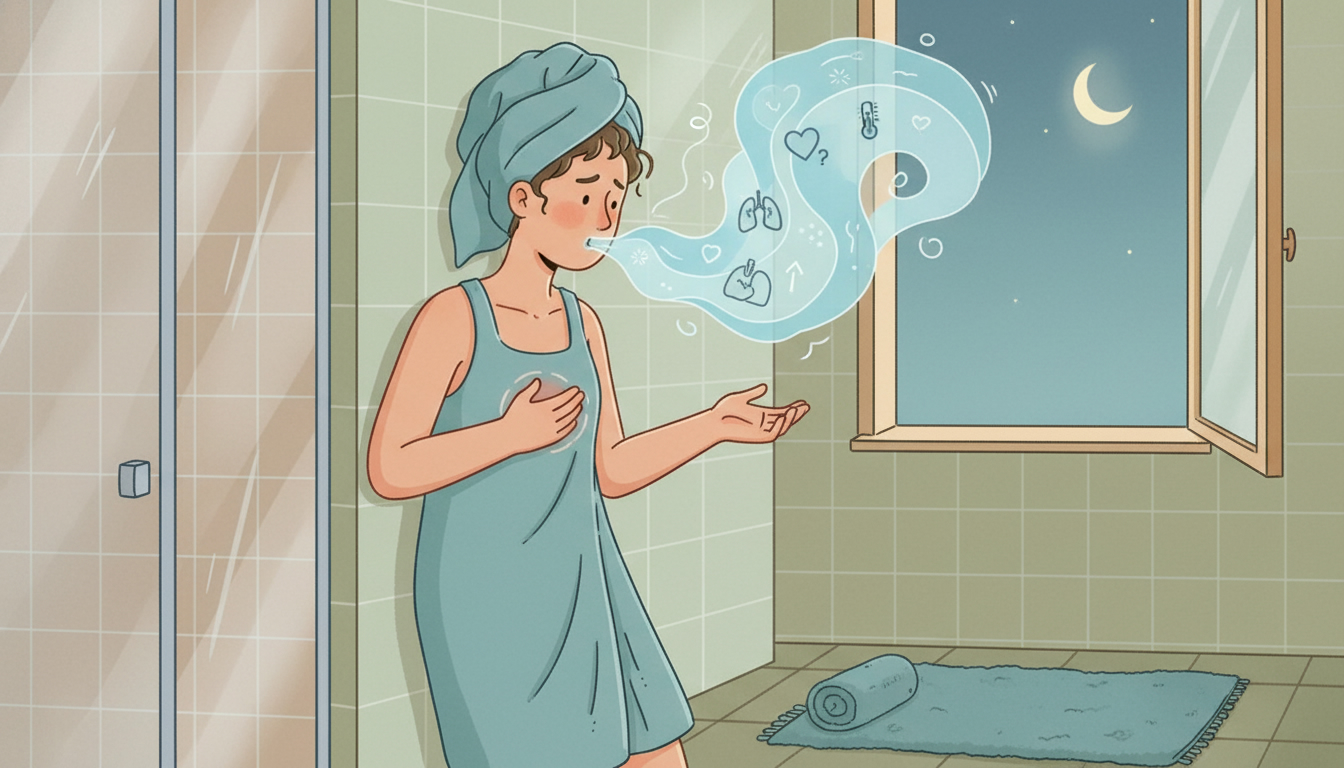
You step out of a hot shower feeling not refreshed, but weirdly out of breath. Heart racing. Chest tight. You are standing still, but it feels like you just jogged up a flight of stairs.
In this guide, we will break down why shortness of breath after a shower happens, when it is probably benign, and when it is a “call your doctor” situation. This is educational only, not a diagnosis, but it can help you walk into an appointment informed instead of panicked.
Sometimes it can be normal, but not always.
There are a bunch of non-serious reasons you might feel a bit winded in or after the shower, especially if it is very hot, very steamy, or you are already a bit deconditioned or anxious.
But if you consistently feel like you cannot catch your breath, have chest pain, dizziness, or symptoms keep getting worse, that is not something to ignore. Shortness of breath (also called dyspnea) can be a sign of issues with your lungs, heart, blood, or even anxiety and panic.
Quick takeaway: An occasional mild, short-lived breathless feeling in a super hot shower can be “normal-ish.” Ongoing, intense, or worsening symptoms deserve a medical evaluation.
Why Showers Can Trigger Shortness of Breath
Here are the most common reasons you might feel short of breath after a shower, starting with the less serious and moving toward the more concerning.
1. Hot Water, Steam, and Your Airways
Hot showers create lots of steam. Steam changes the temperature, humidity, and density of the air you are breathing.
That can:
- Make the air feel thicker and harder to pull in
- Temporarily irritate sensitive airways
- Make you more aware of your breathing (which can trigger anxiety)
People with asthma, COPD, chronic bronchitis, or reactive airways may find that hot, humid environments make breathing more difficult. They may notice:
- Chest tightness
- Wheezing
- Coughing
- Feeling like they cannot get a deep breath
You are fine all day, but within a few minutes of a steamy shower, you are coughing and reaching for your inhaler. As soon as the bathroom cools down and air dries out a bit, you start feeling better.
Takeaway: Hot, humid air can make it harder to breathe, especially if you already have lung issues.
2. Heat, Blood Vessels, and Low Blood Pressure
Hot water makes your blood vessels widen (vasodilation). This helps release heat from your body, but it also can lower your blood pressure.
If your blood pressure drops too much, you might feel:
- Lightheaded or dizzy
- Weak or shaky
- A bit breathless
- Like your heart is pounding or racing
Then you step out of the shower, your body is trying to stabilize temperature and pressure, and you feel off for a minute.
This effect can be stronger if:
- The shower is very hot and long
- You are dehydrated
- You are on blood pressure medications or medications that affect circulation
- You stand up quickly or move fast in the shower
Takeaway: Very hot showers can drop your blood pressure and make you feel off-balance and breathless, especially if you are sensitive to changes in circulation.
3. Deconditioning
Showering is not exactly a workout, but it kind of is if you have been mostly sedentary, are recovering from an illness, or have chronic fatigue, long COVID, or another condition affecting stamina.
Lifting arms to wash hair, bending, twisting, standing, and dealing with heat can all add up and briefly stress your cardiovascular system.
You might notice:
- Mild shortness of breath while washing or right after
- Heart rate taking a bit longer to come back down
- Feeling more tired than seems reasonable for “just a shower”
Takeaway: If your overall fitness or health is low right now, showering can be more physically demanding than it used to be.
4. Anxiety, Panic, and Hyper-Awareness of Breathing
Bathrooms are small, steamy, sometimes echoey spaces where it is easy to become hyper-aware of your body. Shower anxiety is real.
If you get a sudden sense of:
- “I cannot get enough air”
- Tightness in your chest
- Rapid heartbeat
- Tingling in hands or feet
you might unconsciously start over-breathing (hyperventilating). This can actually cause or worsen the sensation of breathlessness, creating a feedback loop.
For some, the shower can even become associated with anxiety or past trauma (like a bad fainting episode), which primes the brain to react before anything is actually wrong.
Quick self-check questions:
- Does the breathing issue come with racing thoughts, fear, or a sense of doom?
- Do you sigh or yawn a lot trying to get a deep breath throughout the day, not just in the shower?
- Do symptoms often improve when distracted or after leaving the bathroom?
If yes, anxiety may be a big factor.
Takeaway: The feeling of not getting enough air is not always about your lungs. Sometimes it is your nervous system running the show.
5. Asthma and Other Lung Conditions
If you have asthma, COPD, or other lung disease, showers can be a sneaky trigger.
Common patterns:
- Steam or strong-smelling products (shampoos, cleaners, fragrances) irritate your airways
- Warm, humid air makes it harder for your lungs to move air in and out
- You cough or wheeze more in or right after the shower
With asthma, you may notice:
- Chest tightness or pressure
- Wheezing (a whistling sound when breathing out)
- Needing to use a rescue inhaler more after showers or in humid environments
Takeaway: If you already know your lungs are sensitive, a hot steamy shower can act like a mini “stress test” for your airways.
6. Heart Issues
Some heart problems can show up first, or most noticeably, as shortness of breath during everyday activities, including showering.
Potential red flags involving the heart can include:
- Shortness of breath with light activity or while talking
- Trouble breathing when lying flat
- Waking at night feeling like you are suffocating
- Swelling in the feet, ankles, or legs
- Chest discomfort, pressure, or pain
Showering may make symptoms more noticeable because:
- Warm water increases your circulation workload
- Standing can be more challenging if your heart already struggles to pump efficiently
- You might not notice mild shortness of breath during other parts of the day until that extra heat and movement push you just a bit more
Takeaway: If breathing problems are part of a bigger picture, such as swelling, chest pain, fatigue, or nighttime breathlessness, get checked. Do not wait.
7. Anemia or Low Oxygen-Carrying Capacity
If your red blood cell count or hemoglobin is low (anemia), your blood cannot carry as much oxygen. That can make relatively small efforts, like showering, feel like more work.
You may notice:
- Shortness of breath with mild activity
- Fatigue that does not match your activity level
- Pale skin or gums
- Headaches or fast heartbeat
In this case, the shower is just revealing an underlying problem, not causing it.
Takeaway: If everyday tasks feel like climbing a hill, ask your doctor about simple blood tests to check for anemia.
Quick Self-Check: What Is Your Pattern?
It helps to get specific. Ask yourself:
-
When does the shortness of breath start?
- During the shower?
- Only afterward?
- Only when the water is very hot?
-
How long does it last?
- Seconds? A few minutes? Longer than 10–15 minutes?
-
What else do you feel?
- Chest pain or pressure?
- Wheezing or coughing?
- Dizziness, blurred vision, or feeling faint?
- Palpitations (pounding, racing, or skipping heartbeats)?
-
What makes it better or worse?
- Cooling the water down?
- Opening a window or turning on a fan?
- Sitting down afterward?
- Using an inhaler (if you have one)?
Patterns help your clinician sort likely environmental, anxiety, or deconditioning causes, possible lung-related issues, and possible heart or circulation-related problems.
Takeaway: Write this information down. It will help you at the doctor’s office.
When Is Shortness of Breath After a Shower an Emergency?
If you are unsure, err on the side of getting help.
Call emergency services or go to the ER immediately if:
- You have sudden, severe shortness of breath
- You have chest pain, pressure, or squeezing, especially if it radiates to jaw, neck, arm, or back
- You feel like you might pass out (or you actually do)
- Your lips or face turn blue or gray
- You are confused or unable to speak in full sentences
These could be signs of serious conditions like heart attack, pulmonary embolism (blood clot in the lungs), severe asthma attack, or heart failure.
Takeaway: If breathing feels like an emergency, treat it like one.
When to See a Doctor (Non-Emergency, but Important)
Make an appointment with a healthcare professional if:
- You are often short of breath after showering, even if it eventually passes
- You notice it is getting worse over weeks or months
- You also feel tired, weak, dizzy, or have swelling in your legs or feet
- You have a history of asthma, COPD, heart disease, blood clots, or anemia
- You recently had COVID-19 or another infection and your breathing has not gone back to normal
They might:
- Ask detailed questions about your symptoms and history
- Listen to your heart and lungs
- Check oxygen levels
- Order tests like blood work, chest X-ray, EKG, or lung function tests, depending on your situation
Takeaway: Repeated, unexplained shortness of breath is your body asking for a check-in, not a “wait and see for another year.”
Practical Tips to Make Showers Easier on Your Breathing
While you sort out the underlying cause with a professional, here are some gentle, low-risk strategies that help many people.
1. Turn Down the Water Temperature
Lukewarm instead of steaming hot can:
- Reduce blood pressure swings
- Decrease steam in the air
- Be easier on sensitive airways
You do not have to go full cold plunge, just aim for comfortably warm, not sauna-level hot.
2. Improve Ventilation
- Turn on the bathroom fan
- Crack the door or open a small window if privacy allows
- Consider a dehumidifier nearby (outside the shower area) if your bathroom traps a lot of moisture
Less steam makes breathing easier.
3. Sit if You Need To
A shower chair or stool can make a big difference if you:
- Get lightheaded standing
- Have low stamina
- Are afraid of fainting
Sitting helps your body not fight gravity as hard and makes it easier to control your breathing.
4. Slow, Paced Breathing
Practice this before you feel short of breath so it is easier to use in the moment:
- Inhale slowly through your nose for about 4 seconds
- Exhale gently through pursed lips (like blowing out a candle slowly) for about 6 seconds
- Repeat for a few minutes
This technique, called pursed-lip breathing, helps keep your airways open and can reduce that panicky “I cannot get air in” feeling.
5. Time Your Shower
Shorter showers can:
- Reduce heat and steam buildup
- Put less physical and cardiovascular strain on your body
Try starting with a 5–10 minute shower, see how your body responds, and adjust from there.
6. Watch Products and Scents
Strong fragrances or harsh cleaners can irritate airways.
- Try unscented or hypoallergenic products
- Avoid spraying cleaners or aerosols right before you shower
If you notice you cough or wheeze more with certain products, switch them out.
Takeaway: Small tweaks, like cooler water, more ventilation, and pacing your breathing, can make showers more manageable.
A Few Real-World Scenarios
Sometimes it helps to see where you fit.
Scenario 1: The Hot Shower Lover
Alex loves extra-hot, 20-minute showers. Lately, Alex steps out of the shower a bit dizzy and breathless for a minute or two, but it resolves quickly. There is no chest pain, no swelling, and no symptoms with other activities.
- Likely contributors: heat, steam, mild low blood pressure, maybe deconditioning
- What helps: turning the water down a notch, shorter showers, better ventilation, staying hydrated
Scenario 2: The Asthma Flare
Jordan has mild asthma. They notice they wheeze and cough during hot showers, especially with strong-smelling shampoos. Breathing improves after using a rescue inhaler and leaving the bathroom.
- Likely contributors: asthma plus steam and fragrance triggers
- What helps: cooler showers, fragrance-free products, talking to a doctor about an asthma control plan
Scenario 3: The Subtle Heart Clue
Taylor, in their 50s, feels winded going up stairs and now also gets unexpectedly out of breath in the shower. There is also some ankle swelling by evening and occasional chest tightness with exertion.
- Possible concern: heart or circulation issue
- What helps: prompt medical evaluation
Takeaway: The same symptom, shortness of breath after a shower, can mean very different things depending on context.
What to Do Next
If you have made it this far, here is a simple action plan:
-
Track your symptoms for a week or two
- When they happen
- How long they last
- What else you feel (dizziness, chest pain, wheezing, swelling, and so on)
-
Make low-risk changes
- Cooler, shorter showers
- Better bathroom ventilation
- Sitting if needed
- Gentle breathing techniques
-
Schedule a checkup if:
- This is new for you
- It is getting worse
- You have other symptoms (fatigue, swelling, chest discomfort, wheezing)
-
Seek emergency care if you ever feel like you truly cannot breathe, are in severe pain, or feel like you might pass out.
Feeling short of breath after a shower is common enough that you are not alone, but not so normal that it should always be brushed off.
Your body is giving you data. The goal is not to panic about it, but to listen, adjust what you can, and involve a professional when you should.
If you would like, you can describe your specific pattern (age range, other health issues, what your symptoms are like), and use that to draft a list of questions to bring to your doctor.
Leave a Reply