Anxiety-Like Symptoms Without Panic Attacks
Disclaimer: This article is for general information only and isn’t medical advice or a diagnosis. If you have severe symptoms or think it may be an emergency, call your local emergency number.
Ever feel like your brain is in alert mode but your body never quite launches into a full-blown panic attack?
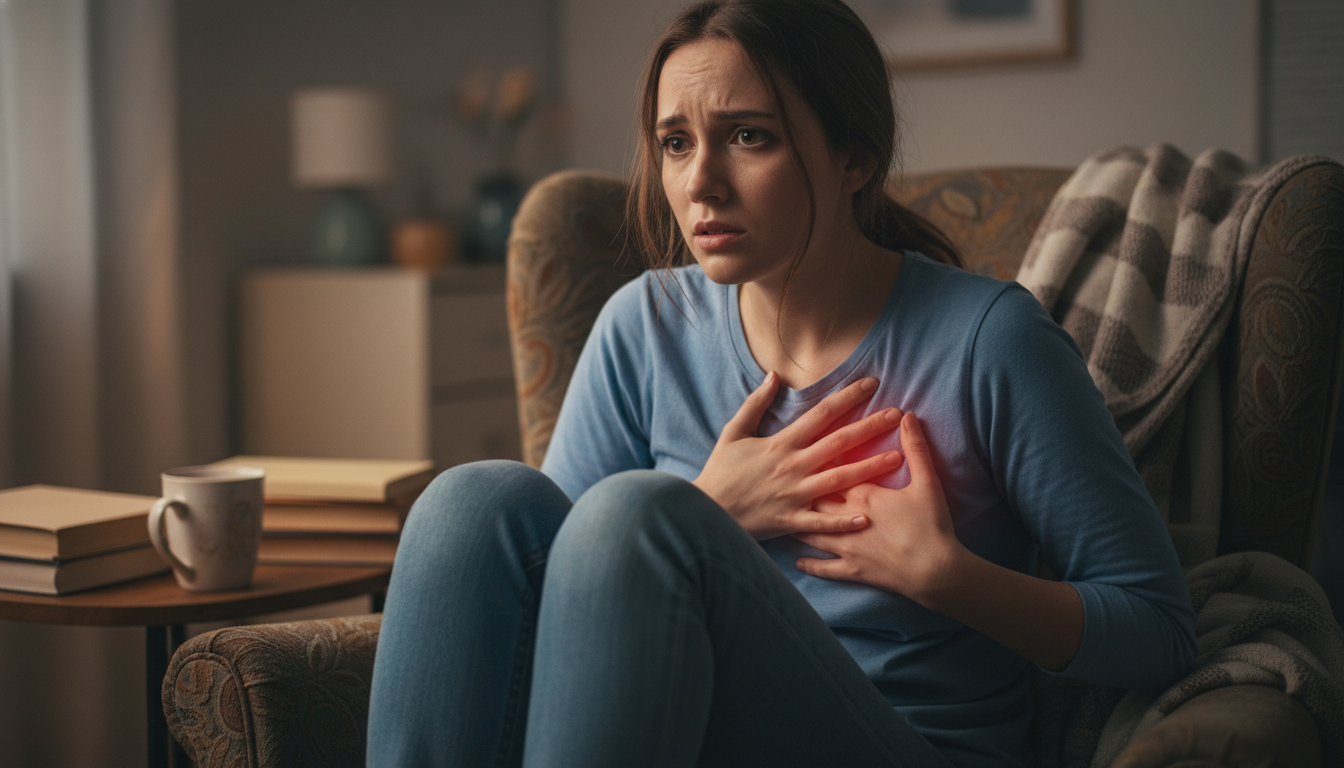
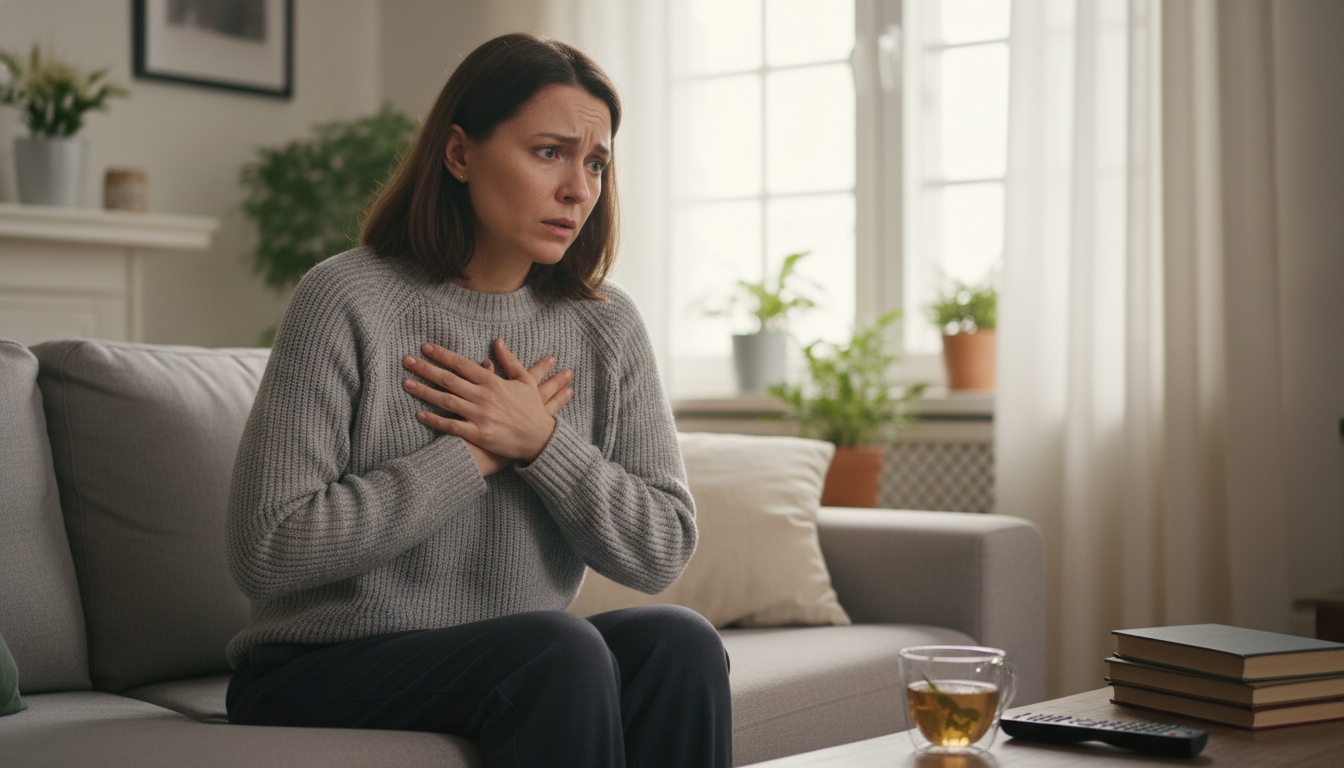
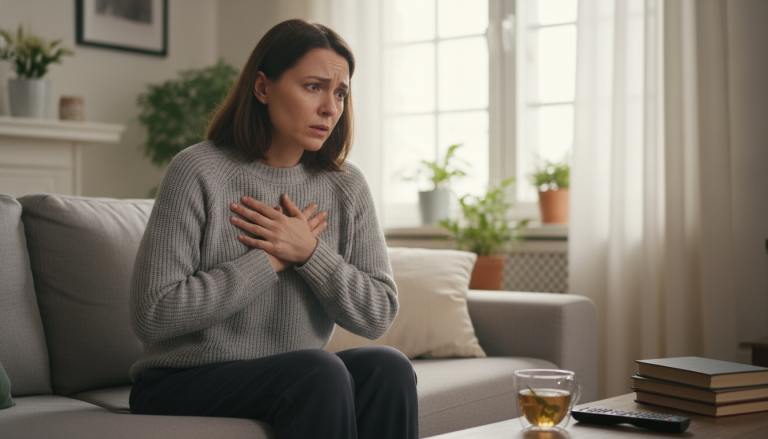
Heart’s a bit jumpy. Chest feels weird. Thoughts are racing. But there’s no movie-style meltdown, no gasping for air on the floor, no dramatic “I’m definitely dying” moment. So you’re stuck wondering: “I have anxiety-like symptoms without panic… is this even normal?”
Quick Answer: Yes, This Can Be Normal (But It’s Still Uncomfortable)
You can absolutely have anxiety-like symptoms without ever having a classic panic attack.
Anxiety exists on a spectrum:
- On one end: a vague sense of unease, tension, worrying.
- In the middle: physical symptoms like muscle tension, stomach issues, racing heart, sweating, dizziness.
- On the far end: panic attacks – sudden, intense fear with strong physical sensations that peak within minutes.
Many people hang out in that middle zone: lots of physical and mental anxiety symptoms, zero “official” panic attacks. That doesn’t make your symptoms any less real.
Takeaway: No, you’re not broken for having anxiety-ish symptoms without panic. You’re in very common territory.
What Counts as “Anxiety-Like Symptoms” Without Panic?
You might notice things like:
- A constant feeling of being “on edge”
- Tight chest or throat, but you can still breathe
- Mild shortness of breath when stressed
- Stomach issues (nausea, cramps, diarrhea, “nervous stomach”)
- Muscle tension, shaky or weak-feeling legs, jaw clenching
- Trouble focusing, brain fog
- Restlessness or feeling like you can’t fully relax
- Random surges of unease with no obvious reason
These can show up with generalized anxiety, chronic stress, or even health anxiety, without tipping over into a full panic attack.
According to major medical sources, anxiety disorders often involve ongoing worry, physical restlessness, and tension, and not everyone experiences panic attacks as part of their anxiety, as described by organizations like the NIMH and Mayo Clinic.
Takeaway: Panic attacks are one type of anxiety episode, not the only way anxiety appears.
What’s the Difference Between Anxiety and a Panic Attack?
Think of it like this:
Everyday (But Still Exhausting) Anxiety
- Builds gradually – stress, worries, what-ifs
- May last hours, days, or longer
- You might be able to still function (go to work, talk to people), but you feel wired, tense, distracted
- Physical symptoms: tight muscles, upset stomach, poor sleep, headaches, feeling keyed up
Panic Attack
- Comes on suddenly, often “out of the blue”
- Typically peaks within minutes
- Often includes intense fear of losing control, passing out, going crazy, or dying
- Symptoms can include:
- Pounding or racing heart
- Chest pain or chest tightness
- Shortness of breath or feeling like you can’t breathe
- Sweating, shaking, or chills
- Feeling unreal or detached (derealization)
- Numbness or tingling
Many medical organizations describe panic attacks as episodes of sudden, intense fear with strong physical sensations, peaking within about 10 minutes.
Key point: You can have anxiety symptoms without ever reaching that intense, sudden panic-attack level. It still counts as anxiety.
Takeaway: Anxiety is like a constant background alarm; panic is the fire alarm blasting in your ear.
Why Does Anxiety Show Up Physically Even If You Don’t Feel “That Anxious”?
This is the part that really confuses people.
“I don’t feel super stressed, but my body is acting like I’m being chased by a bear.”
Here’s what’s going on.
1. The Body’s Stress System Is Overactive
Your fight-or-flight system (sympathetic nervous system) can be a little too sensitive.
It reacts to:
- Worries
- Subtle stress
- Health fears
- Even subconscious thoughts you’re not fully aware of
That can trigger:
- Increased heart rate or palpitations
- Faster breathing
- Sweating
- Shaky feeling
All of these are classic stress and anxiety responses described in medical references.
2. Chronic Stress Becomes the “New Normal”
If you’ve been stressed for weeks or months:
- Your muscles may always be a bit tense.
- Your sleep may be lighter or more restless.
- Your gut may be more reactive (IBS-like symptoms are common with anxiety).
You might not register, “I am anxious right now,” because it’s just how you’ve felt for a while.
3. Health Anxiety and Hyper-Awareness
Once you notice a weird sensation (heart flip, head rush, chest tightness), it’s normal to focus on it.
That focus can:
- Make you check it constantly
- Make the sensation feel stronger
- Trigger more anxiety (“What if this is serious?”)
This can lead to a cycle: symptom → worry → more body awareness → more symptom.
Takeaway: Your body can show anxiety even when your mind doesn’t feel panicked. The wiring runs automatically.
Is It Normal to Feel Anxiety Every Day but Never Have a Meltdown?
It’s common, but that doesn’t mean you have to accept feeling awful.
Many people live with:
- Daily low-to-moderate anxiety
- Physical symptoms that come and go (tight chest, dizziness, stomach issues, jittery feeling)
- No classic “panic attack” moments
This pattern can show up with:
- Generalized anxiety disorder (GAD) – ongoing worry and tension
- Chronic stress or burnout
- Health anxiety – constantly monitoring your body for danger
You don’t need a panic attack to “qualify” for support, therapy, or treatment.
Takeaway: Anxiety without panic attacks is still valid anxiety. You still deserve help if it’s affecting your life.
But How Do I Know It’s “Just Anxiety” and Not Something Serious?
Important note: You should never feel bad about getting medical issues checked out. Anxiety and medical problems can exist at the same time.
Here’s a helpful way to think about it.
Clues That It Might Be Anxiety-Related
These are not rules, just patterns people often notice:
- Symptoms worsen with stress, worry, or focusing on them
- They come and go, and tests you’ve had have been normal
- You’ve been told by a medical professional that your symptoms are likely anxiety or stress-related
- The sensations are familiar and feel very similar each time
- You can sometimes distract yourself and notice they dial down a bit
Red Flags: When to Seek Medical Help
Don’t assume everything is anxiety. Seek urgent or emergency care (or call your local emergency number) if you have:
- New, severe chest pain, especially with shortness of breath, sweating, nausea, or pain spreading to arm or jaw
- Sudden trouble breathing that doesn’t improve
- Fainting, or nearly fainting with concerning symptoms
- Sudden weakness or numbness on one side of the body
- Confusion, trouble speaking, or trouble seeing
- A severe, sudden headache (“worst headache of my life”)
These kinds of red-flag symptoms are commonly listed by organizations like the American Heart Association and major health systems as reasons to seek emergency care.
If you’re ever unsure, get checked. Doctors would always rather see you and rule out something serious than have you stay home and hope.
Takeaway: Anxiety can explain a lot, but you should still respect new, severe, or scary symptoms.
Real-Life Examples: Anxiety Without “Freak-Outs”
Case 1: The Always-On Edge Feeling
Alex notices:
- Jaw and shoulders are constantly tight
- Gets stomach cramps before meetings
- Heart speeds up a bit while checking email
- No collapses, no gasping for air, just constant low-level tension
A doctor rules out major medical issues and suggests stress and anxiety. Alex works on sleep, boundaries, and starts therapy. The symptoms don’t vanish overnight, but they slowly dial down.
Case 2: The “Weird Body Stuff” Person
Sam keeps feeling:
- Random waves of lightheadedness
- A floaty, unreal feeling in crowded places
- Mild chest tightness when stuck in traffic
They’ve had normal heart tests and blood work. A clinician explains that anxiety can cause dizziness, chest sensations, and that feeling of unreality, without a full panic attack.
Sam starts tracking triggers and practicing slow breathing. Over time, the sensations feel less terrifying and less frequent.
Takeaway: Anxiety shows up in the body in lots of subtle, not-always-dramatic ways.
What Can You Do About Anxiety-Like Symptoms Without Panic?
You don’t have to wait for a breakdown to start working on feeling better.
1. Get a Proper Medical Check When Needed
If symptoms are new, worrying, or changing, talk to a healthcare professional.
A workup might include:
- A physical exam
- Blood work (for things like thyroid, anemia, infection)
- Possibly heart tests or other tests depending on symptoms
If things come back reassuring and anxiety is suspected, that’s good news: you have more options to manage it.
2. Learn How Your Body Responds to Stress
Understanding what’s happening can make it less scary.
Try this:
- Notice when symptoms show up (before work, after arguments, scrolling at night).
- Notice what you were thinking when they started (“What if this never goes away?” “What if something’s wrong with my heart?”).
Seeing the pattern helps your brain go: “Okay, this is my stress system talking, not an automatic emergency.”
3. Use Simple Grounding and Breathing Tools
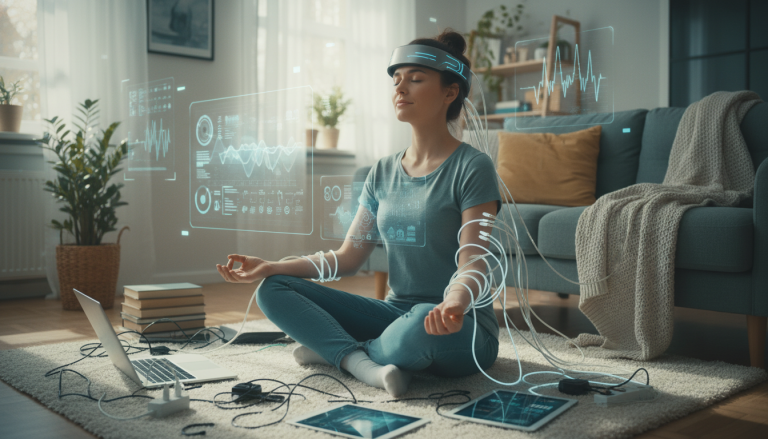
These won’t cure anxiety overnight, but they can calm the body enough to break the spiral.
- Box breathing: Inhale for 4 seconds, hold 4, exhale 4, hold 4. Repeat a few times.
- 5–4–3–2–1 grounding: Notice 5 things you see, 4 you can touch, 3 you hear, 2 you smell, 1 you can taste.
- Progressive muscle relaxation: Tense and relax each muscle group from toes to forehead.
These methods are commonly recommended in clinical anxiety resources because they help dial down the fight-or-flight response.
4. Lifestyle Tweaks That Genuinely Help
- Sleep: Aim for a consistent schedule. Poor sleep can crank anxiety way up.
- Movement: Even 10–20 minutes of walking most days can calm the nervous system over time.
- Caffeine and alcohol: These can make anxiety-like symptoms worse (jitteriness, heart racing, poor sleep).
- Food and hydration: Big blood-sugar swings and dehydration can mimic or worsen anxiety sensations.
5. Therapy and, If Appropriate, Medication
You do not have to be having panic attacks to benefit from therapy.
- Cognitive behavioral therapy (CBT) helps you work with anxious thoughts and behaviors.
- Other therapies (ACT, mindfulness-based approaches, and others) can help you change your relationship with anxiety.
- Medication (like SSRIs or other options) may be recommended by a healthcare provider if anxiety is really interfering with life.
Major organizations note that therapy, medication, or a combination can be effective for anxiety disorders, even in the absence of panic attacks.
Takeaway: Management is about calming your system overall, not waiting for panic to strike.
When Should You Reach Out for Help?
Reach out to a healthcare professional or mental health provider if:
- Anxiety-like symptoms are happening most days
- You’re avoiding places, people, or situations because of fear of symptoms
- You’re constantly googling symptoms and feeling more scared afterward
- Work, school, or relationships are suffering
- You feel hopeless, worn down, or burned out from always being “on edge”
Getting help isn’t overreacting. It’s you saying, “I’d like to feel like myself again.”
Takeaway: You don’t need a dramatic crisis to deserve support.
Final Word: You’re Not Making This Up
“Something is wrong with me. I feel anxious but never have ‘real’ panic attacks. Is that normal?”
Yes. It’s very common for people to experience ongoing anxiety symptoms without classic panic attacks.
Your body isn’t betraying you – it’s overprotecting you.
You’re allowed to:
- Take your symptoms seriously
- Get medical evaluation when needed
- Work on stress, anxiety, and nervous system regulation
- Ask for therapy, tools, or medication if that’s right for you
You don’t have to wait for things to get worse before you start getting help.
Sources
- Mayo Clinic – Generalized anxiety disorder: Symptoms and causes (symptoms, causes, treatment)
https://www.mayoclinic.org/diseases-conditions/generalized-anxiety-disorder/symptoms-causes/syc-20360803 - Mayo Clinic – Panic attacks and panic disorder (panic vs anxiety, symptoms)
https://www.mayoclinic.org/diseases-conditions/panic-attacks/symptoms-causes/syc-20376021 - National Institute of Mental Health (NIMH) – Anxiety Disorders (types of anxiety, symptoms, treatment)
https://www.nimh.nih.gov/health/topics/anxiety-disorders - Cleveland Clinic – Anxiety Disorders (physical symptoms, diagnosis, treatment)
https://my.clevelandclinic.org/health/diseases/9536-anxiety-disorders - MedlinePlus – Generalized anxiety disorder (GAD) (symptoms, when to seek care)
https://medlineplus.gov/ency/article/000917.htm - American Heart Association – Heart Attack Symptoms (red flags, when to call emergency services)
https://www.heart.org/en/health-topics/heart-attack/warning-signs-of-a-heart-attack - CDC – When to Seek Emergency Medical Attention (serious symptoms and red flags)
https://www.cdc.gov/heartdisease/heart_attack.htm