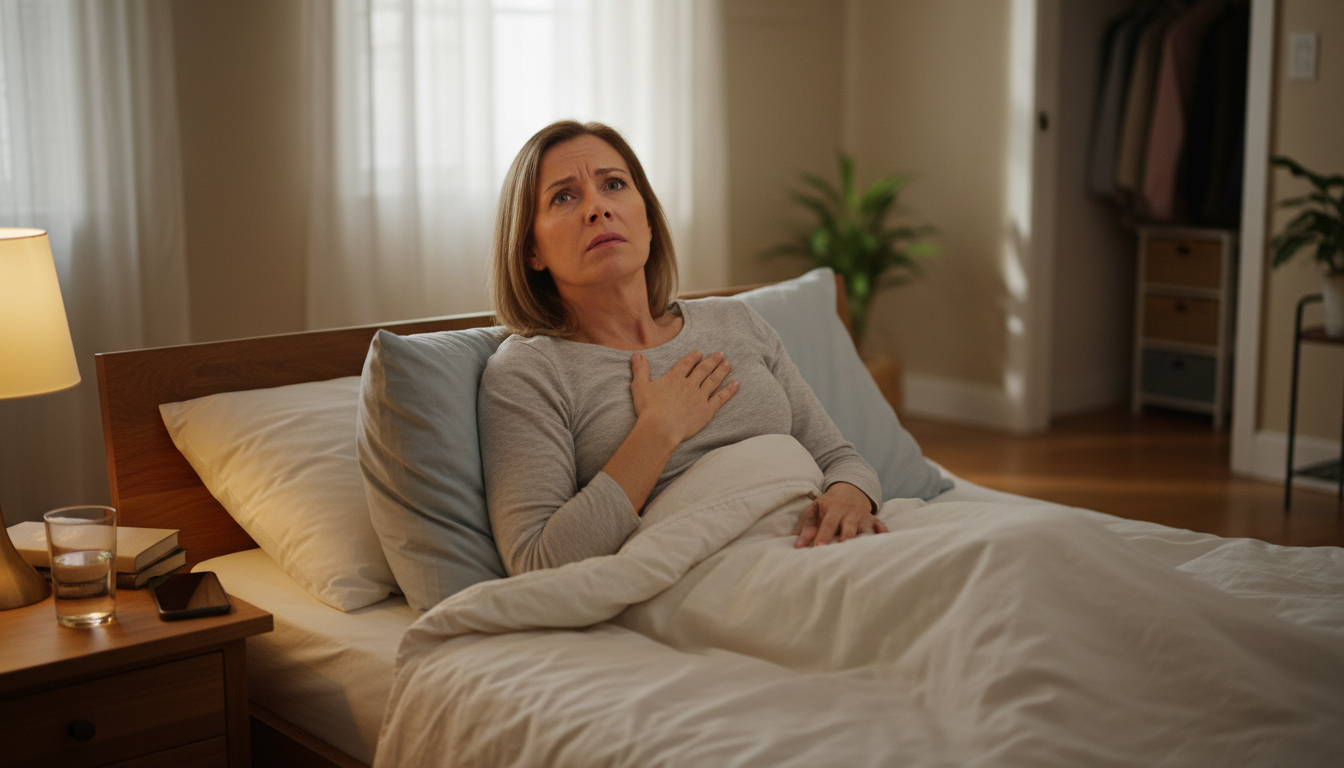
Feeling Faint After Walking Upstairs: What It Might Mean
Disclaimer: This article is for general information only and isn’t medical advice or a diagnosis. If you have severe symptoms or think it may be an emergency, call your local emergency number.
You walk up a single flight of stairs, reach the top, and suddenly you’re lightheaded, maybe a bit shaky, and wondering, “Am I wildly out of shape or actually dying?” Feeling faint after walking upstairs is unnerving. It can be totally explainable or a sign you shouldn’t ignore.
This guide will walk you through the most common causes, what’s probably okay, what’s not, and when to call a doctor.
First, What Does “Feeling Faint” Actually Mean?
People use different words for this:
- Lightheaded
- Dizzy or woozy
- About to black out
- Vision dimming or tunneling
- Weak, shaky, or “out of it”
Medically, these can fall under presyncope (almost fainting) or syncope (actually passing out). When this happens after walking upstairs, your body is dealing with a quick rise in heart rate, a jump in oxygen demand from your muscles, and changes in blood pressure and circulation.
A little breathlessness or mild exertion is normal, especially if you hustled up. Feeling like you might collapse, see stars, or lose consciousness is not “just being unfit” and deserves attention.
Takeaway: A bit winded is probably fine. Feeling like the world is fading out is a symptom worth listening to.
Why Do I Feel Faint After Walking Upstairs?
There’s no single answer, but here are some of the most common non-emergency reasons.
1. You Stood Up or Started Moving Too Fast (Orthostatic Changes)
If you go from sitting or lying down to quickly climbing stairs, your blood pressure can briefly drop. This is called orthostatic hypotension.
You might notice:
- A sudden head rush when you reach the top
- Brief dim vision or feeling “far away”
- It improves within seconds if you pause or hold on
This happens because gravity pulls blood toward your legs, and your body needs a moment to tighten blood vessels and speed up your heart.
Takeaway: A quick, short-lived head rush when you move suddenly can be common, but if it’s frequent, intense, or you actually fall, talk to a doctor.
2. Dehydration or Not Eating Enough
If you’re low on fluids or haven’t eaten for hours, your blood volume and blood sugar can dip, making you feel faint with even mild exertion.
Clues this might be you include dark yellow urine, dry mouth, headache, having coffee or energy drinks but not much water, skipping meals, or being on a very low-calorie or low-carb diet. Symptoms may ease when you sit, drink water, and have a snack.
Takeaway: Hydration and regular food matter more than you think.
3. Being Out of Shape (But Read This Carefully)
If you rarely exercise, even a single flight of stairs can spike your heart rate and breathing. That can cause heavy breathing at the top of the stairs and feeling tired or mildly lightheaded for a short time.
However, feeling like you might pass out, having chest pain, or severe shortness of breath is not just “bad fitness.” Those are red flags.
Takeaway: Mild breathlessness from low fitness is common; anything that feels extreme or scary is not something to brush off.
4. Anxiety or Panic
Walking upstairs might seem simple, but if you’re already anxious or hyper-focused on your body, you can spiral fast. You notice your heart pounding and worry, adrenaline kicks in, breathing becomes fast and shallow, and you feel lightheaded, tingly, or “not real” (derealization).
This is often anxiety or a panic response, not that your heart or lungs are failing, but it can absolutely feel that way.
Notable signs include symptoms that peak within minutes and then settle, frequent worry, racing thoughts, physical tension, and having similar episodes in crowds, driving, or at work.
Takeaway: Anxiety can amplify normal exertion sensations into feeling faint. It’s real and treatable, but don’t assume anxiety until serious causes are ruled out.
5. Low Blood Pressure or Blood Pooling
Some people naturally have lower blood pressure. Others have conditions like POTS (postural orthostatic tachycardia syndrome) or related disorders where standing or walking causes a big jump in heart rate, blood pools in the legs, and you feel faint, shaky, foggy, or exhausted after small efforts.
You may notice dizziness when standing still, in hot environments, or after showers, a faster heart rate when going from sitting to standing, and symptoms improving when you lie down or elevate your legs.
Takeaway: If stairs are just one of many situations that make you lightheaded on standing or walking, ask your doctor about orthostatic issues like POTS.
6. Anemia or Low Iron
If you’re anemic, your blood carries less oxygen. Climbing stairs suddenly becomes a big demand.
Possible signs include fatigue all the time (not just with stairs), pale skin, brittle nails, feeling cold often, shortness of breath, and feeling faint with minor exertion. Common causes include heavy periods, low-iron diets, pregnancy, or chronic conditions.
Takeaway: If your whole life feels like you’re walking through mud and stairs make you woozy, ask your doctor about a blood test for anemia.
7. Heart or Lung Problems (The Serious Stuff)
Sometimes, feeling faint after walking upstairs is a warning sign.
Potential concerning causes include:
- Heart rhythm problems (arrhythmias) – heart beating too fast, too slow, or irregularly
- Coronary artery disease or blocked arteries – especially if you also have chest discomfort
- Heart valve problems or cardiomyopathy – the heart can’t pump efficiently when demand rises
- Pulmonary issues – such as pulmonary hypertension or other lung diseases that limit oxygen
Red-flag clues include chest pain, pressure, or tightness; pain spreading to jaw, arm, back, or shoulder; shortness of breath that feels disproportionate to effort; heart pounding, racing, or skipping in a scary way; swelling in legs or ankles; and new fainting or near-fainting with exertion, especially if you’re older or have risk factors.
Takeaway: Feeling faint plus chest pain, trouble breathing, or fainting itself is a situation that needs urgent attention, not a “wait and see” one.
Quick Self-Check: How Worried Should I Be?
This isn’t a diagnosis, but here’s a general guide.
More Likely to Be Less Serious If:
- It only happens when you bolt up stairs after sitting or lying down
- It lasts a few seconds, then clears when you pause
- You’re dehydrated, hungry, or sleep-deprived
- You’re anxious and get similar symptoms in other stressful moments
- No chest pain, no real trouble breathing, no actual fainting
More Concerning If:
- You actually pass out or collapse
- You have chest pain, pressure, or tightness
- You’re very short of breath with minimal exertion
- Symptoms are new, sudden, or rapidly getting worse
- You have known heart disease, a strong family history of sudden death, or stroke history
Takeaway: Patterns matter. New, severe, or escalating symptoms, especially with chest pain, fainting, or breathing trouble, deserve urgent care.
When Should I Call a Doctor or Go to the ER?
Use this as a rough rule of thumb.
Call Emergency Services Right Away If You:
- Have chest pain, pressure, or tightness, especially with exertion
- Feel faint and have trouble breathing or can’t catch your breath
- Actually faint (lose consciousness), even briefly, especially during or right after exertion
- Have sudden confusion, slurred speech, facial drooping, or weakness on one side
- Feel like something is very wrong in a way that scares you
Call Your Primary Care Provider Soon (Within Days) If You:
- Often feel faint after walking upstairs or with light activity
- Feel wiped out, weak, or dizzy most days
- Notice a consistently fast or irregular heartbeat
- Think you might be anemic or low on iron
- Have low blood pressure symptoms or suspect POTS
You can say something like:
“I frequently feel lightheaded and like I might pass out after walking upstairs. It’s been happening for [X weeks/months], and sometimes my heart races. I’d like to get checked.”
That gives your clinician a clear starting point.
Takeaway: If this stair symptom is new, frequent, or scary, don’t self-diagnose. A simple evaluation (vitals, exam, maybe blood tests or an ECG) is often the fastest way to peace of mind.
What Can I Do Right Now If I Feel Faint After Stairs?
While you’re waiting to be seen, or if your symptoms have already been checked out and found to be non-emergency, a few practical steps can help.
1. Pause and Stabilize
If you feel faint at the top of the stairs, stop immediately and hold on to a rail or stable surface. Take slow, deep breaths in through your nose and out through your mouth. If needed and safe, sit down for a moment.
If you’re alone and feel like you might actually pass out, sit on the floor to prevent injury from falling.
2. Hydrate and Fuel Regularly
- Aim for steady fluids through the day (water, electrolyte drinks if you sweat a lot)
- Don’t skip meals; include some protein and complex carbs
- Be cautious with excess caffeine or alcohol, which can dehydrate you
3. Stand Up and Move More Gradually
If this tends to happen when you get up quickly, sit at the edge of the bed or chair for 10–20 seconds before standing, and flex your calf muscles or march in place briefly before heading up stairs.
4. Build Up Fitness Slowly (If Cleared by Your Doctor)
If your checkup doesn’t reveal anything serious, start with flat walking for 10–20 minutes most days, add gentle strength work like bodyweight squats or wall push-ups, and gradually increase your pace or stair use over several weeks.
Never push through chest pain, severe shortness of breath, or near-fainting.
5. Track Your Symptoms
Write down when it happens (time of day, after sitting, and so on), what you were doing (how many stairs, how fast), your food, fluids, caffeine, and alcohol intake, and any other symptoms such as palpitations, chest pain, or vision changes.
Bring this to your medical appointment; it can dramatically speed up getting answers.
Takeaway: Simple changes plus a proper checkup can turn “stairs are terrifying” back into “mild annoyance at best.”
A Few Quick Mini-Scenarios
Scenario 1: You’ve been at your desk for hours, had coffee, barely drank water, stand up fast, jog up the stairs, and feel dizzy for 5–10 seconds at the top, then you’re fine.
- Possible contributors: dehydration, sudden position change, mild deconditioning.
- Still worth: hydrating better, standing more gradually, and mentioning it at your next checkup if it keeps happening.
Scenario 2: Every time you climb one flight, your chest feels tight, you’re very short of breath, and once you had to grab the railing to avoid collapsing.
- This is not just being out of shape.
- You should call your doctor promptly, and if chest pain or near-fainting is severe or sudden, seek emergency care.
Scenario 3: You’re young, generally healthy, but lately when you walk upstairs your heart races, you feel shaky, your vision goes strange, and you feel better lying down. Hot showers and standing in lines are also rough.
- Could be related to orthostatic intolerance or POTS.
- Worth a dedicated visit with your clinician or a cardiologist for evaluation.
Takeaway: Your context and pattern of symptoms matter more than any single trip up the stairs.
Bottom Line: Should I Worry About Feeling Faint After Stairs?
Here’s the summary:
- Mild, brief lightheadedness after hurrying up stairs, especially when dehydrated, tired, or out of shape, is pretty common.
- Feeling like you’ll pass out, having chest pain, or real trouble breathing is not normal and should be taken very seriously.
- If this is new, frequent, or getting worse, or you have other risk factors, it’s reasonable and wise to get checked.
You’re not overreacting by paying attention to your body. Getting evaluated can either catch something important early or give you reassurance.
Sources
- Mayo Clinic – Fainting: First aid and common causes (symptoms, causes, red flags)
- Mayo Clinic – Orthostatic hypotension (low blood pressure when standing) (causes, symptoms)
- Cleveland Clinic – Postural Orthostatic Tachycardia Syndrome (POTS) (orthostatic intolerance)
- Mayo Clinic – Anemia (symptoms, causes, diagnosis)
- American Heart Association – Warning signs of a heart attack (red-flag chest symptoms)
- American Lung Association – Shortness of breath (breathing-related causes, when to seek care)
- National Institute of Mental Health – Panic disorder (anxiety-related physical symptoms)