
When New Symptoms Show Up: Wait, Call, or Go Now?
Disclaimer: This article is for general information only and isn’t medical advice or a diagnosis. If you have severe symptoms or think it may be an emergency, call your local emergency number.
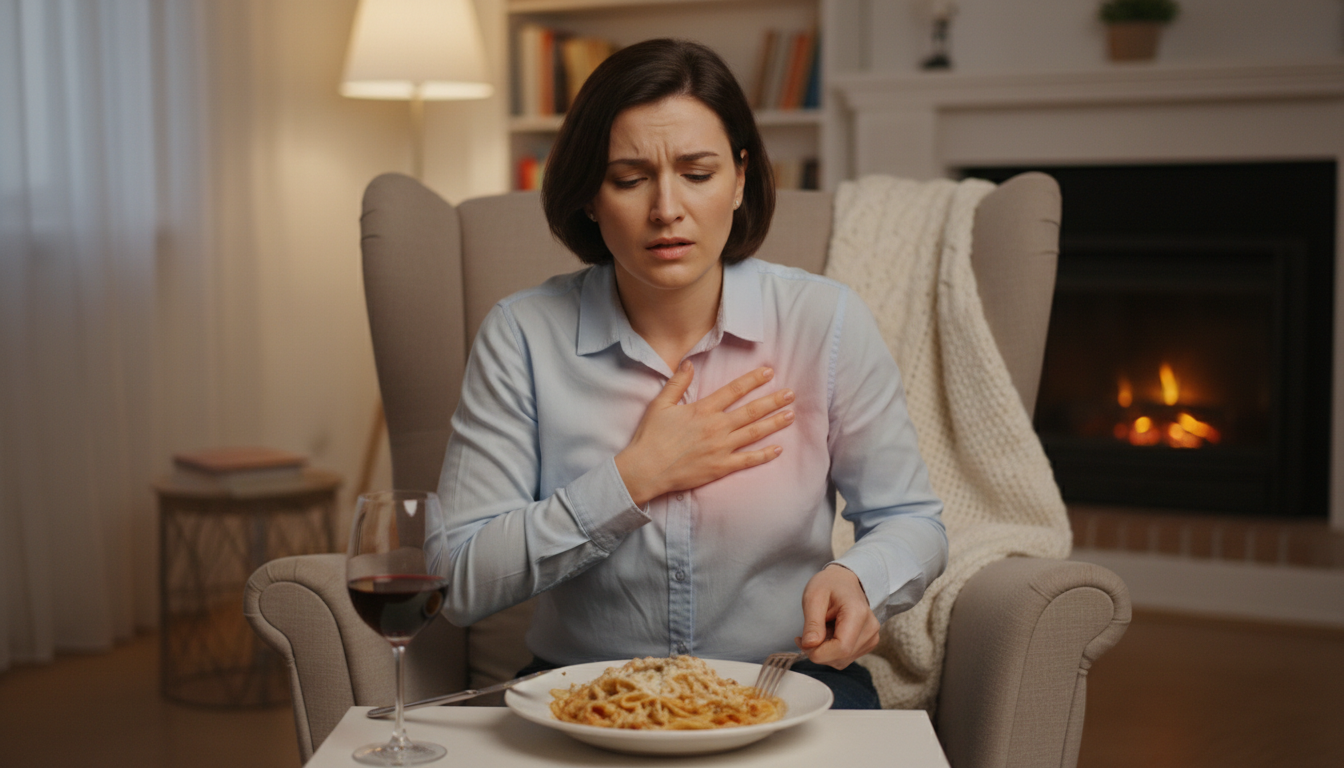
You’re minding your business and suddenly your heart flips, your head feels weird, or your chest twinges. Cue inner monologue: “Is this… fine? Or am I about to be on a medical drama?”
This guide looks at symptoms that appear right now, what is probably okay to watch, what deserves a same-day call, and what means you should drop everything and get help. It walks through common new symptoms, red flags, and how to decide: wait, call, or go in now.
First, a Simple Rule of Thumb
When a new symptom shows up, ask yourself three quick questions:
- How bad is it (0–10)?
- How fast did it come on? (sudden vs creeping over days)
- Is it messing with basic functions? (breathing, walking, talking, staying awake, thinking clearly)
If something is sudden, severe, or affecting basics (breath, brain, or ability to move), that’s usually an urgent situation.
Takeaway: Sudden + severe + affecting basics = don’t wait it out.
Chest Symptoms: When to Pay Attention Right Now
When Chest Pain or Tightness Is an Emergency
Chest discomfort can be many things (muscle strain, reflux, anxiety), but some features are red flags for heart or lung emergencies.
Call emergency services (e.g., 911 in the U.S.) right away if you have:
- Pressure, squeezing, or heavy chest pain that lasts more than a few minutes, or comes and goes
- Pain that spreads to the arm, shoulder, neck, jaw, or back
- Chest pain plus shortness of breath, cold sweat, nausea, or lightheadedness
- New chest pain with exertion (walking up stairs, carrying groceries) that eases with rest
- Sudden, sharp chest pain with trouble breathing or coughing up blood
According to major heart organizations, these symptoms can signal a heart attack or serious heart problem and should be treated as emergencies, not “let’s see how it goes tonight.”
When Chest Symptoms Might Be Urgent but Not 911-Level
You should get same-day medical care (urgent care or your doctor’s office) if you have:
- New chest discomfort that’s mild but keeps returning over hours or days
- Chest pain that worsens when you press on the area, twist, or take a deep breath, but you’re not severely short of breath
- You have risk factors (high blood pressure, diabetes, smoking, family history of heart disease) and notice new, unusual chest sensations
Takeaway: For chest symptoms, it’s safer to be “overcautious and fine” than “waited and wished you hadn’t.”
Breathing Changes: When Shortness of Breath Is Serious
Red-Flag Breathing Symptoms
Get emergency care now if:
- You can’t speak full sentences without gasping
- You’re breathing fast and shallow, and it’s getting worse
- Your lips, face, or fingertips look bluish or gray
- You have sudden shortness of breath at rest, with or without chest pain
- You have asthma or COPD and your usual inhalers aren’t helping
These may point to problems like a severe asthma attack, heart failure, pneumonia, pulmonary embolism, or another serious issue.
When to Call a Doctor the Same Day
- New or slowly worsening shortness of breath over hours to days, but you can still talk normally
- You get out of breath doing activities that used to be easy (walking across a room, climbing a single flight of stairs)
- Shortness of breath with a new cough, fever, or chest discomfort
Takeaway: If your breathing feels even close to “I can’t keep up,” don’t wait days—get help the same day.
Neurological Symptoms: Dizziness, Weakness, Confusion
These are the ones people often brush off and really shouldn’t.
Stroke Warning Signs (Don’t Wait)
If any of this appears suddenly, call emergency services immediately:
- Face drooping on one side
- Arm or leg weakness or numbness (especially on one side)
- Slurred speech, difficulty speaking, or not making sense
- Sudden confusion, trouble understanding others
- Sudden vision changes (loss of vision in one or both eyes, double vision)
- Sudden, severe headache unlike anything you’ve had before, sometimes with vomiting or neck stiffness
Even if the symptoms come and go or improve, it can still be a stroke or mini-stroke (TIA) that needs urgent care.
Dizziness, Lightheadedness, and Feeling “Off”
Call same day (or go to urgent care) if you have:
- New dizziness that makes it hard to walk straight
- A spinning sensation (vertigo) with vomiting that won’t stop
- Dizziness plus chest pain, shortness of breath, or palpitations
- Repeated episodes of almost passing out
Milder, brief lightheadedness when you stand quickly can be from dehydration, not eating, or low blood pressure, but if it’s new, frequent, or worsening, it’s worth a medical visit.
Takeaway: New brain or balance changes mean pay attention now, not “next month at my annual.”
Heart Racing, Skipped Beats, and Palpitations
Your heart does one weird flip and suddenly you’re hyper-aware of every beat.
When Palpitations Need Urgent Care
Go to the ER or call emergency services if heart symptoms are new and come with:
- Chest pain, pressure, or discomfort
- Trouble breathing
- Fainting or passing out
- Feeling like your heart is racing very fast for more than a few minutes, and you feel unwell or lightheaded
These can suggest a serious arrhythmia (abnormal heart rhythm) that shouldn’t be ignored.
When to Call Your Doctor Soon
You should book a same-day or next-few-days appointment if:
- You’ve started having frequent episodes of pounding or irregular heartbeat
- Palpitations are triggered by activity or happen every day
- You have a history of heart disease, thyroid problems, or take medications that affect heart rhythm
Mild, brief palpitations that happen once in a while and go away quickly can be from stress, caffeine, lack of sleep, or dehydration, but if you’re not sure, it’s okay to get it checked.
Takeaway: Palpitations plus other symptoms (chest pain, fainting, breathlessness) are not a “wait and see” situation.
Whole-Body Symptoms: Fever, Fatigue, and Body Pain
Not every new symptom means a life-threatening emergency, but some do need timely attention.
Fever: When Should You Be Worried?
Adults should seek urgent or emergency care if:
- Fever is 103°F (39.4°C) or higher and not improving with fluids and fever reducers
- Fever plus stiff neck, severe headache, confusion, or trouble staying awake
- Fever plus shortness of breath, chest pain, or rash that’s spreading quickly
- Fever after recent surgery, a medical procedure, or in someone with a weak immune system (cancer therapy, transplant, immune-suppressing drugs)
Call a doctor (same day) if:
- Fever has lasted more than 3 days, even if it’s mild
- You feel significantly worse instead of better after a few days of illness
Exhaustion, Weakness, and Body Pain
Get same-day care if you suddenly feel:
- So weak you struggle to stand, walk, or lift your arms
- New confusion, disorientation, or can’t think clearly
- Severe body pain with dark or very little urine, which could suggest dehydration or muscle breakdown
Gradual fatigue over weeks can be many things (sleep, stress, anemia, thyroid issues, chronic conditions), and usually isn’t an ER issue, but it does deserve a clinic visit.
Takeaway: Fever plus “I feel really off” is worth a call. Fever plus red-flag symptoms means get seen urgently.
Stomach Pain and Gut Symptoms
Abdominal pain can range from “I ate too much” to “this needs surgery.”
Go to Emergency Care If
- Sudden, severe abdominal pain that doesn’t ease
- Pain with a rigid or hard abdomen, or it hurts badly to touch your belly
- Abdominal pain plus:
- Repeated vomiting (can’t keep fluids down)
- Vomit that is green, looks like coffee grounds, or has blood
- Black, tarry stools or bright red blood in stool
- High fever and chills
- Pain in the right lower abdomen that worsens when you move or cough
- Sharp upper abdominal pain that moves through to the back, especially with nausea or vomiting
Call Your Doctor Soon If
- Ongoing or recurring abdominal discomfort for days to weeks
- Changes in bowel habits (new constipation or diarrhea) plus weight loss, blood in stool, or fatigue
Takeaway: Sudden, intense, or bloody belly symptoms mean don’t do your own diagnosis, get evaluated.
Anxiety vs Something Physically Serious
A lot of people show up to the ER with symptoms that feel like a heart attack and turn out to be panic attacks or anxiety. That doesn’t mean symptoms are “in your head.” It just means mind and body are tightly linked.
Typical anxiety or panic symptoms can include:
- Racing heart, chest tightness, or a feeling of not getting a full breath
- Trembling, sweating, tingling in hands or around the mouth
- Feeling detached, like you’re watching yourself from outside
- An intense sense of doom that peaks within minutes
Anxiety and real emergencies can look similar, especially for chest and breathing symptoms. If you’re unsure, or it’s new, worse, or different, it’s appropriate to seek medical care.
Over time, if your doctor has ruled out emergencies and says it’s likely anxiety, you can work on:
- Breathing techniques and grounding exercises
- Therapy (like CBT) to manage panic and health anxiety
- Lifestyle changes: sleep, caffeine, alcohol, and stress load
Takeaway: You’re not wasting anyone’s time by getting checked when you’re scared. That’s what emergency and urgent care are for.
Quick “Should I Worry?” Checklist
If a symptom is new and happening right now, pay special attention if you notice any of these.
Call emergency services (911 in the U.S.) right now if:
- Chest pain or pressure that’s heavy, squeezing, or spreading to arm, jaw, neck, or back
- Trouble breathing, can’t speak full sentences, or bluish lips or face
- Sudden weakness, numbness, facial droop, or difficulty speaking or understanding
- Sudden severe headache, “worst of my life,” with or without confusion or neck stiffness
- Fainting or passing out, or someone is hard to wake
- Severe abdominal pain with vomiting, rigid belly, or blood in stool or vomit
Call your doctor or urgent care same day if:
- New chest discomfort, palpitations, or shortness of breath that aren’t severe but keep returning
- New dizziness that makes walking hard, or keeps almost making you pass out
- Fever for more than 3 days, or fever plus you feel overall very unwell
- New or worsening symptoms in someone who is pregnant, elderly, or has heart, lung, or immune problems
If you’re ever stuck between “call now” and “wait,” default to calling. Nurses and on-call providers can help you decide the safest next step.
Takeaway: When in doubt, ask. The cost of a call is low; the cost of waiting can be high.
How to Document Symptoms Before You Call or Go In
You can make your visit much more useful by tracking:
- Onset: When did it start? (Exact time if sudden.)
- Triggers: What were you doing? (resting, exercising, eating, stressed?)
- Pattern: Constant or comes and goes? Getting better, worse, or the same?
- Self-treatment: What have you tried? (meds, rest, fluids, inhalers) Did it help?
- Other symptoms: Fever, rash, shortness of breath, confusion, weakness, chest pain?
Jotting this down on your phone before you see or call a clinician helps avoid a blank mind when you’re anxious.
Takeaway: A 1–2 minute symptom log can save you a lot of back-and-forth.
Bottom Line: Listening to Your Body Without Spiraling
You don’t need to panic over every twitch, but you also don’t need to be a hero and push through scary symptoms.
- Pay closest attention to symptoms that are sudden, severe, or affecting breathing, brain, or movement.
- Use the checklist above to decide between emergency care vs. same-day call.
- If something just feels deeply wrong, trust that feeling and get checked.
Your job: notice, act, and ask for help when needed. Your clinician’s job: figure out the “why.”
You’re allowed to be cautious about your health. That’s not overreacting, that’s being responsible.
Sources
- Mayo Clinic – Heart attack: Symptoms and causes (symptoms, red flags, when to seek care)
https://www.mayoclinic.org/diseases-conditions/heart-attack/symptoms-causes/syc-20373106 - American Heart Association – Warning signs of a heart attack (chest symptoms, urgent action)
https://www.heart.org/en/health-topics/heart-attack/warning-signs-of-a-heart-attack - Centers for Disease Control and Prevention (CDC) – Stroke signs and symptoms (neurologic red flags)
https://www.cdc.gov/stroke/signs_symptoms.htm - Mayo Clinic – Shortness of breath: Symptoms and causes (breathing red flags, when to see a doctor)
https://www.mayoclinic.org/symptoms/shortness-of-breath/basics/when-to-see-doctor/sym-20050890 - MedlinePlus – Fever (adults) (when to seek care, risk factors)
https://medlineplus.gov/ency/article/003090.htm - Cleveland Clinic – Abdominal pain: Causes, symptoms and treatment (emergency vs non-urgent features)
https://my.clevelandclinic.org/health/symptoms/21600-abdominal-pain - National Institute of Mental Health – Panic disorder (symptoms of panic vs medical causes)
https://www.nimh.nih.gov/health/topics/panic-disorder