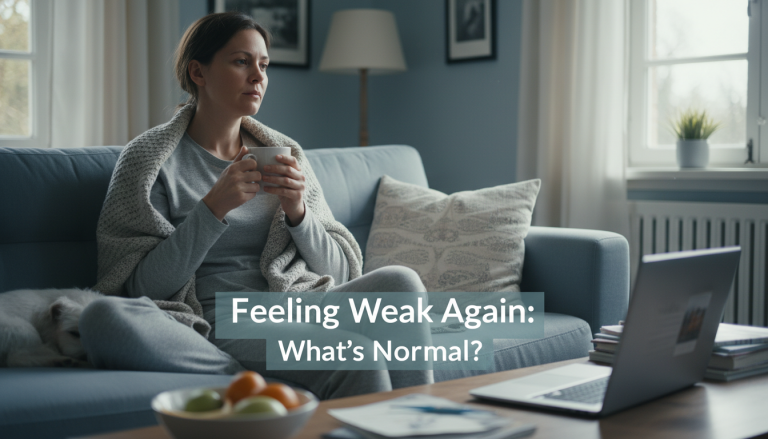
Why Does My Breathing Feel So Shallow Today?
Disclaimer: This article is for general information only and isn’t medical advice or a diagnosis. If you have severe symptoms or think it may be an emergency, call your local emergency number.
Ever have a day where breathing suddenly feels like a weird manual task?
You’re sitting there, minding your business, and boom:
“Why does my breathing feel so shallow today?”
Now you can’t not think about it. Each breath feels small, unsatisfying, or just off. Maybe you’re sighing a lot, yawning to “top off” your lungs, or testing how deep you can inhale.
Let’s walk through what might be going on, when shallow breathing is usually harmless, when it’s not, and what you can realistically do about it today.
First: Is This an Emergency Right Now?
Before we talk about breathing mechanics, do a quick safety scan. Get urgent or emergency care (call 911 or your local emergency number) right now if your shallow breathing comes with any of these:
- Chest pain or pressure, especially if it’s crushing, heavy, or spreading to your arm, jaw, back, or neck
- Sudden severe shortness of breath or you can’t speak in full sentences
- Blue or gray lips or face
- Feeling like you might pass out or you do faint
- Confusion, extreme agitation, or difficulty staying awake
- Wheezing or choking
These can be signs of a serious problem such as a heart attack, severe asthma attack, blood clot in the lungs (pulmonary embolism), or other emergencies.
Quick takeaway: If your gut says, “This feels really wrong,” don’t overthink it—get checked.
What Do We Actually Mean by “Shallow Breathing”?
People describe “shallow breathing” in a few different ways:
- “I feel like I’m not getting a full breath.”
- “My breaths feel short or stuck in my chest.”
- “I can breathe, but it never feels satisfying.”
- “I keep needing to sigh or yawn to ‘reset’ my breathing.”
Medically, this can overlap with shortness of breath (dyspnea), but not always. Sometimes your oxygen levels are totally normal, but your breathing feels wrong, tight, or effortful.
Quick takeaway: Shallow breathing is often about sensation as much as mechanics—and that’s important.
Common Reasons Your Breathing Feels Shallow Today
There are many possible causes. Some are temporary and benign; some need prompt medical care. Below are common, non-emergency reasons, but this is not a substitute for a doctor visit.
1. Anxiety, Stress, and “Over-Aware” Breathing
When you’re anxious or stressed, your nervous system goes into a mild fight-or-flight mode. That often leads to:
- Faster, lighter breathing from the chest instead of the belly
- A sense of “air hunger” (like you can’t quite get enough)
- Frequent sighing or yawning
This is sometimes called hyperventilation or dysfunctional breathing. You might not look like you’re breathing super fast, but you’re breathing in a way that makes your chest feel tight, your throat feel weird, or your breathing feel manual and unsatisfying.
Once you notice your breathing, you may start monitoring it constantly:
“Was that breath normal? Should I breathe deeper? Am I breathing enough?”
That hyper-focus can make each breath feel more awkward and shallow.
Signs anxiety may be playing a role:
- Your symptoms came on during or after stress, conflict, doomscrolling, caffeine overload, or health worries
- You also feel jittery, on edge, or have racing thoughts
- Your breathing feels better when you’re distracted, busy, or laughing
Quick takeaway: Anxiety doesn’t mean “it’s all in your head.” It means your nervous system is cranked up and your breathing pattern is along for the ride.
2. Poor Posture and “Laptop Slump”
If you’re hunched over a screen, your lungs are basically working in tight space.
Rounded shoulders, slumped spine, or leaning forward for hours can:
- Limit how far your ribcage can expand
- Make your chest feel tight or compressed
- Turn your breaths into short, upper-chest sips instead of fuller, deeper breaths
Try this:
- Sit back, let your spine lengthen.
- Roll your shoulders up, back, and down.
- Place a hand on your belly and take a slow breath in through the nose, letting the belly gently rise.
Many people notice their “shallow breathing” eases a bit with better posture and slower breaths.
Quick takeaway: Sometimes your lungs are fine—your posture is just the problem.
3. Being Out of Shape, Recently Sick, or Extra Tired
If you’ve been more sedentary, had a recent cold, flu, COVID, or are just wiped out, normal activities can suddenly feel harder.
You might notice shallow or more noticeable breathing:
- Walking up stairs you usually handle fine
- Carrying groceries
- After a minor cold or respiratory infection
Even after you recover from something like COVID-19 or a respiratory bug, your lungs and muscles may need time to bounce back.
But: If your breathlessness with activity is new, worsening, or clearly out of proportion to what you’re doing, that deserves a medical check.
Quick takeaway: Deconditioning and recovery can make breathing feel harder, but they shouldn’t keep getting worse or come with red flags.
4. Asthma, Allergies, or Irritated Airways
If you have a history of asthma or allergies, shallow breathing can show up when your airways are:
- Narrowed (asthma flare)
- Irritated by smoke, pollution, or strong odors
- Triggered by pollen, dust, pets, or mold
You might notice:
- Tight chest
- Wheezing (whistling sound when you breathe out)
- Coughing, especially at night or with exertion
- Needing to use your rescue inhaler more often
If this sounds like you, follow your asthma or allergy action plan, and talk to your clinician if you don’t have one or your inhaler isn’t helping enough.
Quick takeaway: If you have lung conditions already, treat any change in your breathing pattern as a signal, not background noise.
5. Chest Wall, Muscle, or Rib Pain
Sometimes breathing feels shallow because it literally hurts to take a deep breath. This can come from:
- Muscle strain (heavy lifting, coughing fits, new workout)
- Costochondritis (inflammation of cartilage where ribs meet the breastbone)
- Bruised or fractured ribs (usually after trauma)
You may notice:
- Sharp or stabbing pain with deep breaths, certain movements, or pressing on a spot
- Breathing more shallowly on purpose to avoid the pain
Muscle-related pain often improves with rest, gentle movement, and time.
But: Chest pain—especially if it’s new, severe, or hard to pinpoint—always deserves medical attention to rule out heart and lung causes.
Quick takeaway: Pain makes you breathe shallowly, but the reason for the pain matters a lot.
6. Underlying Heart or Lung Conditions
Conditions like chronic obstructive pulmonary disease (COPD), heart failure, or lung scarring (fibrosis) can cause chronic shortness of breath and shallow-feeling breathing.
Clues something more serious might be going on:
- Symptoms have been building over weeks or months, not just today
- You’re more winded with everyday activities than you used to be
- You have leg swelling, waking up short of breath, or needing extra pillows to sleep
- You smoke or used to smoke heavily
These warrant ongoing care with a healthcare professional.
Quick takeaway: Long-term pattern changes in breathing are never “just a phase” to ignore.
Why Does It Feel Worse When I Focus on My Breathing?
Breathing is normally automatic. When you suddenly take manual control—
In… out… was that deep enough? Should I go slower?
you may switch from easy, background breathing to stiff, awkward breathing. This can:
- Make breaths feel shallow or forced
- Increase chest or throat tension
- Make you feel like you can’t breathe properly, even while your oxygen is fine
This is common with anxiety and health worries.
Try this experiment later today:
- Notice your breathing without trying to change it.
- Imagine you’re eavesdropping on your body instead of steering it.
- If your mind tries to take over, gently shift focus to a different sensation (like your feet on the floor) and let your breaths fade into the background.
Quick takeaway: The more you obsessively manage your breathing, the weirder it can feel.
Simple, Calming Things You Can Try Today (Non-Emergency Only)
If you’ve screened yourself for red flags and this doesn’t feel like an emergency, here are some gentle, practical strategies.
1. The 4-6 Breathing Reset
This can help calm your nervous system and smooth out shallow, fast breathing.
- Sit or lie comfortably, shoulders relaxed.
- Inhale through your nose for a slow count of 4.
- Exhale through pursed lips (like blowing out a candle) for a count of 6.
- Repeat for 1–3 minutes.
If those counts feel too long, cut them in half (for example, 2 in, 3–4 out). The key is a longer exhale.
2. Belly (Diaphragmatic) Breathing Practice
This helps you shift from shallow chest breathing to deeper, more efficient diaphragmatic breathing.
- Place one hand on your chest and one on your belly.
- Breathe in through your nose, gently aiming for your belly hand to rise more than your chest hand.
- Exhale slowly through your mouth.
- Practice for a few minutes, 1–2 times a day, not just when you’re panicking.
3. Posture and Movement Check
- Un-hunch your shoulders.
- Roll your neck and upper back gently.
- Stand up and stretch your arms overhead.
- Take a slow walk, even for 5–10 minutes.
Light movement can reduce muscle tension and help normalize breathing patterns.
4. Reduce Over-Stimulation
- Cut back on caffeine for the day.
- Step away from your phone or doomscrolling cycle.
- Use calming background music, a podcast, or a simple task (folding laundry, doing dishes) to shift focus.
Sometimes your body is fine, but your nervous system is on “high alert” mode.
Quick takeaway: Think: calm the system, not force the breath.
When to Call a Doctor About Shallow Breathing
Even if you’re not in immediate danger, it’s smart to talk to a healthcare professional soon if:
- Your breathing feels shallow or off for more than a few days
- It’s getting worse or more frequent
- It limits normal activities (walking, talking, climbing stairs)
- You have a history of heart or lung disease, blood clots, or severe asthma
- You recently had COVID-19 or another infection and breathing still feels wrong
They may:
- Listen to your lungs and heart
- Check your oxygen level and vital signs
- Order tests like a chest X-ray, spirometry (lung function test), or blood work
The goal is not to prove you’re overreacting—it’s to rule out dangerous causes, treat what’s treatable, and help you feel safer in your own body.
Quick takeaway: If this is new, persistent, or concerning, getting checked is an investment in clarity, not a sign of weakness.
Mini Scenarios: Which One Sounds Like You?
Scenario 1: The Stress Spiral
You’ve had a rough week, too much caffeine, and now you’re hyper-focused on every breath. No chest pain, no wheezing, just an uncomfortable awareness of shallow-feeling breaths.
- Likely contributors: anxiety, over-breathing, posture
- What to try today: breathing exercises, stretching, screen break, and scheduling a non-urgent check-in if it keeps happening.
Scenario 2: Post-Cold Recovery
You had a respiratory bug recently. You’re mostly better, but stairs feel harder, and your breathing feels smaller than before.
- Likely contributors: deconditioning, lingering airway irritation
- What to do: pace activity, talk to your doctor if symptoms persist or worsen, especially with chest pain, high fever, or low oxygen.
Scenario 3: Known Asthma, More Tightness
You have asthma. Today is high pollen, your chest feels tight, and breathing feels shallow. You’ve needed your rescue inhaler more than usual.
- Likely contributors: asthma flare, allergens, irritants
- What to do: follow your asthma action plan, seek urgent care if your inhaler doesn’t help or symptoms escalate.
Scenario 4: New, Unexplained Breathlessness
Recently, you’re more winded just walking across the room. Breathing feels shallow and effortful most days, even at rest.
- Possible concern: heart or lung issue that needs evaluation
- What to do: schedule prompt medical evaluation; seek urgent or emergency care if red flags are present.
The Bottom Line: Shallow Breathing Is a Signal, Not a Sentence
If your breathing feels shallow today, it doesn’t automatically mean something terrifying—but it does deserve curiosity and care.
Big picture reminders:
- Rule out emergencies first. If there are red flags, get help immediately.
- Anxiety and posture can dramatically change how breathing feels, even when oxygen is okay.
- Long-term or worsening breath changes always deserve medical attention.
- You’re not being dramatic for wanting your breathing checked. Breathing is the baseline of everything.
If this is really worrying you, you don’t have to solve it alone. Reach out to a healthcare professional, describe exactly how it feels, what makes it better or worse, and how long it’s been going on.
Your job today: stay curious, stay kind to your body, and don’t ignore your lungs when they’re trying to get your attention.
Sources
- Mayo Clinic – Shortness of breath: Symptoms and causes (symptoms, causes, when to seek care)
https://www.mayoclinic.org/symptoms/shortness-of-breath/basics/causes/sym-20050890 - Mayo Clinic – Hyperventilation (causes, anxiety and breathing patterns)
https://www.mayoclinic.org/diseases-conditions/hyperventilation/symptoms-causes/syc-20372214 - Cleveland Clinic – Dyspnea (Shortness of Breath): Causes & Treatment (causes, evaluation, when to call a doctor)
https://my.clevelandclinic.org/health/symptoms/16940-dyspnea - Cleveland Clinic – Asthma: Symptoms & Triggers (asthma-related breathing symptoms)
https://my.clevelandclinic.org/health/diseases/6423-asthma - National Heart, Lung, and Blood Institute – COPD (chronic causes of breathing changes)
https://www.nhlbi.nih.gov/health/copd - MedlinePlus – Costochondritis (chest wall pain and breathing)
https://medlineplus.gov/ency/article/000164.htm - NHS – Breathing problems and shortness of breath (red flags, self-care, when to seek urgent help)
https://www.nhs.uk/conditions/shortness-of-breath/