
Feeling Weak After a Shower: Causes, Tips, and When to Worry
Disclaimer: This article is for general information only and isn’t medical advice or a diagnosis. If you have severe symptoms or think it may be an emergency, call your local emergency number.
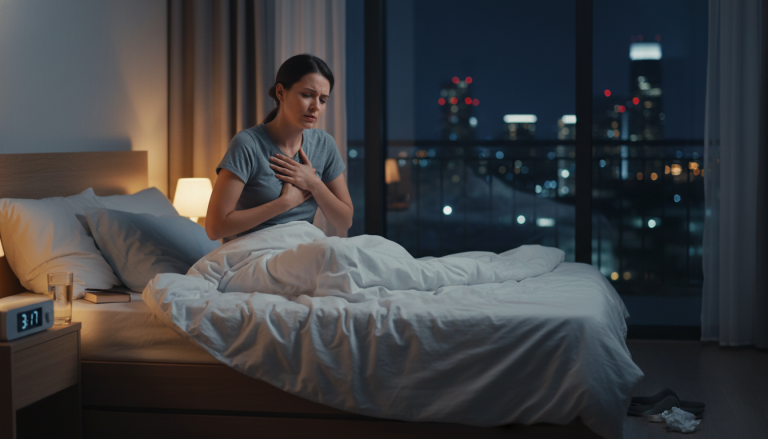
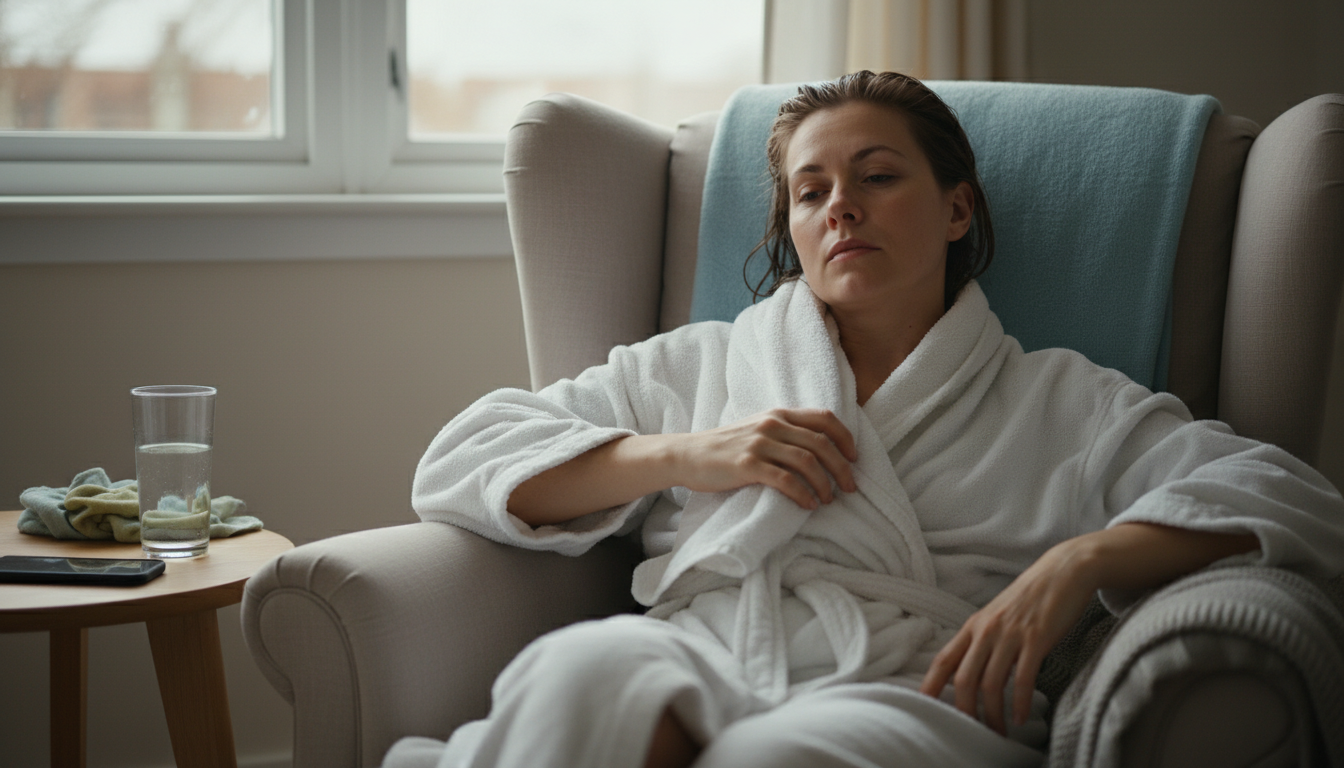
Ever stepped out of the shower feeling like you just ran a marathon you never signed up for? Legs wobbly, vision a bit off, heart doing that “umm, are we okay?” thing.
Let’s talk about why you might feel weak after a shower, when it’s usually harmless, and when it’s a “get this checked” situation.
Is It Normal to Feel Weak After a Shower?
It can be common, but it’s not something to ignore if it keeps happening.
Feeling weak, dizzy, or lightheaded after a shower can be related to things like:
- Heat from a hot shower
- Sudden changes in blood pressure
- Dehydration
- Standing too long in a warm, steamy space
- Low blood sugar (if you haven’t eaten in a while)
- Underlying conditions like heart issues, blood pressure problems, or dysautonomia (problems with the body’s automatic nervous system)
An occasional “whoa, I feel off” after a hot shower can happen. But repeat episodes, especially with other symptoms, deserve attention.
What’s Actually Happening in Your Body During a Shower?
1. Hot Water Makes Your Blood Vessels Chill Out (Maybe Too Much)
Hot showers cause your blood vessels to dilate (open up). This helps your body get rid of heat, which is normally helpful.
But when blood vessels open up:
- Your blood pressure can drop.
- Less blood briefly returns to your heart.
- Your brain may get a little less blood flow.
The result is that you may feel weak, heavy, or lightheaded when you’re in or stepping out of the shower.
People who already have low blood pressure, are on blood pressure medications, or have conditions like postural orthostatic tachycardia syndrome (POTS) or other forms of orthostatic intolerance can be extra sensitive to this.
Hot water relaxes you and your blood vessels, and sometimes a bit too much.
2. Standing + Heat = Perfect Recipe for Lightheadedness
Showers are basically you standing still in a warm, steamy box.
When you stand for a while, especially in heat:
- Blood can pool in your legs.
- Your body has to work harder to push blood back up to your heart and brain.
If your system doesn’t compensate quickly enough, you might notice:
- Weakness
- Dizziness
- “Tunnel” or blurry vision
- Feeling like you might faint
This is related to orthostatic hypotension (a drop in blood pressure when you stand up). It can cause lightheadedness, weakness, or near-fainting when changing positions or standing.
Long, hot, stand-up showers can be low-key stress tests for your circulation.
3. Dehydration Makes Everything Worse
If you’re even mildly dehydrated, your blood volume is lower.
Combine that with a hot shower, standing upright, and maybe not having had much water or food that day, and your body may struggle to keep blood pressure stable.
Signs dehydration may be playing a role include:
- Dark yellow urine
- Dry mouth
- Feeling tired all day
- Headaches
If your body is already low on fluids, the heat and steam from the shower can tip you over into “I feel weak now” territory.
4. Blood Sugar Swings Can Show Up in the Shower
Showering on an empty stomach, especially first thing in the morning, can make weakness more noticeable.
Low blood sugar can cause:
- Shakiness
- Weakness
- Sweating
- Lightheadedness
Add hot water and standing, and suddenly your quiet shower feels like a full-body event.
Your brain loves steady blood sugar. Skipping meals plus hot showers can be a rough combination.
5. Anxiety and Panic Can Sneak In Too
For some people, the shower is where they notice anxiety the most.
- Warmth and steam can feel like “I can’t breathe,” even if oxygen is fine.
- Heart rate might rise (normal in heat), but your brain questions whether it is a heart problem.
- That panic loop can trigger real physical symptoms: weakness, shaking, chest tightness, dizziness.
Anxiety symptoms can feel identical to serious physical problems, which is why medical evaluation is important if you’re not sure what you’re dealing with.
Your body and brain talk to each other. Sometimes anxiety responds to normal body sensations like a fire alarm.
Common Causes of Feeling Weak After a Shower (At a Glance)
Here are some frequent, non-exotic reasons people feel weak after a shower:
- Very hot showers
- Long showers (especially if you’re already tired or unwell)
- Dehydration or low fluid intake
- Low blood pressure or medication for high blood pressure
- Heart conditions or rhythm problems
- Autonomic nervous system issues (like POTS or other dysautonomias)
- Low blood sugar (fasting, skipping meals, diabetes issues)
- Recent illness (flu, COVID-19, viral infections) leaving you deconditioned
- Anemia (low red blood cells)
- Anxiety or panic
None of these can be confirmed without proper evaluation, but they’re common patterns doctors often consider when someone reports weakness after showering.
The symptom is simple; the possible reasons are many. That’s why context, such as other symptoms and medical history, matters.
When Is Feeling Weak After a Shower More Concerning?
Feeling weak is one thing. Weakness plus certain red flags is another.
You should seek urgent or emergency care (call emergency services or go to the emergency room) if weakness after a shower comes with:
- Chest pain, chest pressure, or tightness
- Trouble breathing or feeling like you can’t get air
- Fainting or nearly fainting that doesn’t quickly improve
- Sudden, severe headache unlike your usual headaches
- Confusion, trouble speaking, or trouble understanding speech
- Weakness or numbness on one side of the body, drooping face, or difficulty moving an arm or leg
- Rapid, irregular, or pounding heartbeat that feels different from usual and doesn’t settle
These can be signs of a heart attack, stroke, serious heart rhythm problem, or another emergency. Medical organizations stress not to wait these symptoms out—get help immediately.
You should make an appointment with a doctor soon if:
- You frequently feel weak, lightheaded, or shaky after showers.
- You’ve had unexplained weight loss, fatigue, or night sweats.
- You notice palpitations (racing or skipped beats) often.
- You have known heart, blood pressure, or neurological conditions.
- You have diabetes or blood sugar issues and symptoms are recurring.
Red flags plus weakness means you should not guess. Get evaluated.
Practical Tips to Reduce Weakness After a Shower
While you’re getting checked out (or if your doctor has ruled out emergencies), there are some practical strategies that may help.
1. Turn Down the Water Temperature
You don’t have to take a cold shower, but try:
- Warm or lukewarm water instead of steaming hot.
- Gradually cooling the water a bit before the end of the shower.
Less heat means less blood vessel dilation and, for many people, less sudden drop in blood pressure.
2. Shorten Your Shower Time
Aim for shorter showers, especially if you are recovering from illness, have low blood pressure or dizziness issues, or feel exhausted after routine activities.
Even cutting three to five minutes off can make a difference in how your body handles it.
3. Sit If You Can
If standing is part of the problem, consider:
- A shower chair or bench
- A stool that’s safe in wet environments
Sitting reduces how much blood pools in your legs and lowers the work your body has to do.
4. Hydrate Before (and After)
About 30 to 60 minutes before a shower, try a glass of water or an electrolyte drink (if appropriate for you).
This can help if low blood volume or dehydration is contributing. If you have heart failure, kidney disease, or fluid restrictions, talk to your doctor first about fluid changes.
5. Don’t Shower on an Empty Tank
If you tend to shower first thing in the morning or after long gaps without eating, consider having a light snack beforehand (unless you’ve been told to fast for medical reasons).
Something with a bit of carbohydrate and protein can support steadier blood sugar.
6. Move Slowly
Big movements, rapid position changes, and a hot environment can be difficult for your body to handle.
Try:
- Standing up slowly at the end of the shower
- Holding the wall or a grab bar for a moment
- Taking a few slow breaths before stepping out
If you need to, sit on the toilet lid or a chair afterwards for a minute.
7. Cool the Bathroom Down
If the air is very steamy and hot, your body has to work harder.
You can:
- Turn on the exhaust fan
- Crack the bathroom door
- Avoid turning the room heat up too high
8. Track What’s Going On
It may help to keep a simple log of:
- Time of day you shower
- Water temperature (roughly: hot, warm, lukewarm)
- Whether you’d eaten recently
- How long you were in the shower
- Symptoms (weakness level, dizziness, palpitations, and so on)
Bring this to your doctor. It gives them clues: is this about heat, blood pressure, blood sugar, anxiety, something else, or a mix?
Small tweaks—less heat, more hydration, slower movements—can be surprisingly powerful.
What to Talk About With Your Doctor
If weakness after a shower is new, frequent, or getting worse, consider asking your doctor about:
- Blood pressure checks, including sitting and standing (to look for orthostatic hypotension)
- Heart rate patterns and whether an ECG or heart monitor is appropriate
- Blood tests for anemia, electrolytes, thyroid issues, and blood sugar
- Whether your medications (especially blood pressure medicines, diuretics, or heart drugs) could contribute
- Whether conditions like POTS or other autonomic issues should be considered
Bring specific descriptions, such as:
- “I feel weak and shaky for about 10 minutes after a hot shower in the morning.”
- “I almost blacked out once getting out of the shower last week.”
- “It’s worse if I haven’t eaten or when I’m on my period.”
The more concrete you are, the easier it is for them to connect the dots.
You don’t have to solve it alone. Your job is to bring data; their job is to interpret it.
Bottom Line: Feeling Weak After a Shower Isn’t Just in Your Head
Feeling weak after a shower is real, and it’s usually about how your body handles:
- Heat
- Blood pressure changes
- Fluids and blood volume
- Blood sugar
- Your nervous system (and sometimes your anxiety)
Occasional mild episodes that improve quickly and don’t come with serious symptoms might be manageable with lifestyle tweaks.
But repeated weakness, especially with chest pain, trouble breathing, fainting, confusion, or one-sided weakness, should be taken seriously and checked urgently.
If your showers are routinely wiping you out, that’s your body asking for a closer look—not you being dramatic.
Sources
- Mayo Clinic – Orthostatic hypotension (low blood pressure) overview (causes, symptoms) – https://www.mayoclinic.org/diseases-conditions/orthostatic-hypotension/symptoms-causes/syc-20352548
- Cleveland Clinic – Orthostatic hypotension and fainting (evaluation and management) – https://my.clevelandclinic.org/health/diseases/9385-low-blood-pressure-orthostatic-hypotension
- Cleveland Clinic – Dehydration: symptoms, causes and treatment – https://my.clevelandclinic.org/health/diseases/9207-dehydration
- Mayo Clinic – Heat exhaustion: symptoms and causes – https://www.mayoclinic.org/diseases-conditions/heat-exhaustion/symptoms-causes/syc-20373250
- Johns Hopkins Medicine – Fainting (syncope): what you need to know – https://www.hopkinsmedicine.org/health/conditions-and-diseases/fainting-syncope
- Mayo Clinic – Low blood sugar (hypoglycemia) in people without diabetes – https://www.mayoclinic.org/diseases-conditions/non-diabetic-hypoglycemia/symptoms-causes/syc-20373985
- National Institute of Neurological Disorders and Stroke – Dysautonomia and autonomic disorders – https://www.ninds.nih.gov/health-information/disorders/dysautonomia
- American Heart Association – Heart attack warning signs – https://www.heart.org/en/health-topics/heart-attack/warning-signs-of-a-heart-attack