
Feeling Weak After a Shower: What It Means and What to Do
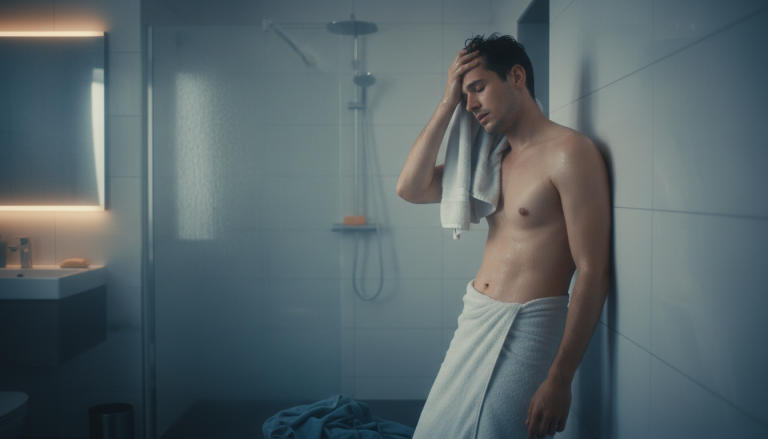
Ever step out of a hot shower feeling like you just ran a marathon you did not sign up for? Instead of feeling refreshed, your legs are jelly, your heart’s pounding, and you’re suddenly wondering if you should sit down on the toilet lid right now or risk collapsing like a Victorian noble.
Let’s unpack what’s going on when you’re feeling weak after a shower, when it might be normal, and when it’s time to call a doctor.
Quick note: This is educational, not medical advice or diagnosis. If this happens often or feels severe, talk to a healthcare professional.
Is It Normal to Feel Weak After a Shower?
Sometimes, yes.
Showers (especially hot ones) aren’t as gentle on your body as they seem. They change your body temperature, blood pressure, and heart rate, and if your system is already stressed, even a quick wash can feel like a workout.
That said, frequent or intense weakness, dizziness, or near-fainting after a shower is not something to ignore. It’s your body waving a little red flag.
Takeaway: Occasional mild weakness can be normal, but repeated or severe episodes deserve attention.
Why You Might Feel Weak After a Shower
Here are the most common, non-diagnostic reasons people feel weak, lightheaded, or shaky after a shower.
1. Hot Water Lowers Your Blood Pressure
Hot water makes your blood vessels widen (vasodilation). That’s one reason hot showers feel relaxing. But when vessels widen, blood pressure can drop, and less blood gets to your brain for a moment.
You may notice:
- Lightheadedness
- Seeing spots or feeling swimmy
- Needing to sit down quickly
This can be more noticeable if you:
- Stand up suddenly in the shower
- Already have low blood pressure
- Are dehydrated
Takeaway: Very hot showers plus standing is a recipe for temporary low blood pressure and weakness.
2. Dehydration (Even Mild) Makes It Worse
You don’t have to be desert-level thirsty to be dehydrated. Mild dehydration can:
- Lower blood volume
- Make your heart work harder
- Exaggerate the blood pressure drop from a hot shower
If you:
- Drink more coffee or soda than water
- Forget to drink during the day
- Have been sick with vomiting or diarrhea recently
a hot shower can tip you into the “I might pass out” zone.
Takeaway: If your pee is dark yellow and you feel weak after showers, dehydration might be part of the picture.
3. Standing Still Too Long (Blood Pooling)
When you stand in one position for a while, like in the shower, blood can pool in your legs. Less blood returns to your heart and brain, which can cause:
- Weakness
- Dizziness
- A sense of “fade to black” when you step out
People who are more prone include:
- Those with low blood pressure
- People with certain forms of dysautonomia or POTS (postural orthostatic tachycardia syndrome)
- Anyone who already feels faint standing in lines or during hot weather
Takeaway: Your body doesn’t love hot plus standing still plus steam plus low hydration. That combo can absolutely make you feel weak.
4. Blood Sugar Ups and Downs
If you shower when you’re:
- Very hungry
- Haven’t eaten for many hours
- Have blood sugar issues (like diabetes, prediabetes, or reactive hypoglycemia)
the heat, standing, and low fuel can team up to make you feel:
- Shaky
- Sweaty
- Weak
- Anxious or off
Sometimes people mislabel this as anxiety, when their brain is just quietly asking: “Hey, can I get some glucose in here?”
Takeaway: Taking a hot shower on an empty stomach can amplify weakness if your blood sugar runs low.
5. You’re Already Sick, Run Down, or Anemic
When your body is already under stress, a shower can feel like doing cardio.
Common contributors:
- Recent illness (flu, COVID, stomach bugs, etc.)
- Anemia (low red blood cells or low iron)
- Chronic conditions like heart disease or lung disease
- Extreme fatigue or overtraining
If you notice:
- Climbing stairs leaves you gasping
- You’re tired all the time
- You feel weak not just after showers but a lot of the day
the shower is not the root problem, it’s just exposing how drained your system already is.
Takeaway: If everyday tasks (including showering) feel exhausting, that’s a whole-body signal worth checking out.
6. Anxiety and Over-Awareness of Body Sensations
Anxiety doesn’t just live in your mind; it lives in your body:
- Faster heart rate
- Shallow breathing
- Muscle tension
In a small, steamy, enclosed space like a shower, that can feel intense. If you’ve ever:
- Felt like you can’t breathe in a hot shower
- Got scared by your own racing heart
- Started panicking after one weird sensation
you might end up feeling weak, shaky, and drained, partly from the anxiety spiral, not just the water.
Takeaway: Your brain and nervous system can turn a normal physical response into a scary-feeling episode. The sensations are real; the conclusions your brain jumps to may not be.
7. Certain Medications
Some medications can lower blood pressure, affect heart rate, or shift your fluid balance, such as:
- Blood pressure medications
- Diuretics (water pills)
- Some antidepressants or anxiety medications
- Heart medications
Add a hot shower on top of that, and your system may protest a little.
Takeaway: If new weakness-after-shower episodes started soon after a medication change, that’s something to mention to your prescriber.
Red Flag Symptoms: When Feeling Weak After a Shower Is Not Okay
Call a doctor or seek urgent care promptly if you notice weakness after showering plus:
- Chest pain, pressure, or tightness
- Trouble breathing or feeling like you can’t catch your breath
- Fainting or almost fainting repeatedly
- Irregular or racing heartbeat that feels scary or new
- Sudden confusion, trouble speaking, or one-sided weakness
- New, severe headache
Also contact a healthcare professional soon (non-emergency) if:
- This happens often, not just once in a while
- You feel wiped out for hours after every shower
- You have a history of heart problems, stroke, or serious illness
Takeaway: Trust your gut. If it feels like more than just “got a little woozy,” do not ignore it.
Simple Changes to Reduce Weakness After a Shower
You don’t have to give up showers and live a dry-shampoo-only life. Try these tweaks and see if they help.
1. Lower the Water Temperature a Bit
You don’t have to go full ice-bath. Just aim for warm instead of super hot.
Benefits:
- Less sudden blood vessel widening
- Smaller blood pressure drop
- Less heart-rate spike
Practical tip: If your skin is bright red when you get out, the water’s probably too hot for your body’s comfort zone.
2. Shorten Shower Time
Long, steamy showers mean more heat exposure and more standing.
Try:
- 5–10 minute showers instead of 20 or more
- Turning off the water while you soap or shampoo, then back on to rinse
Takeaway: Shorter, slightly cooler showers are often enough to reduce weakness.
3. Sit (or at Least Lean) in the Shower
If standing makes you feel woozy, change the position.
Options:
- Use a shower chair or a sturdy plastic stool
- Install grab bars if you’re worried about balance
- Lean one hand or forearm on the wall if you start to feel off
Takeaway: You don’t get extra life points for standing the whole time. Sitting is smart, not weak.
4. Hydrate Before and After
About 30–60 minutes before showering, try:
- A glass of water or an electrolyte drink
After showering:
- Sip more water, especially if you’re still warm or a little shaky
If you have conditions where you must limit fluids (like certain heart or kidney issues), always follow your provider’s guidance.
Takeaway: A hydrated body handles temperature and blood pressure swings better.
5. Avoid Super Hot Showers on an Empty Stomach
If you tend to:
- Shower first thing in the morning
- Skip breakfast
you might be stacking low blood sugar on top of heat and standing.
Try instead:
- A light snack first (banana, toast with peanut butter, yogurt, etc.)
- Or move your shower to later, after you’ve eaten something
Takeaway: Shower plus a completely empty tank of fuel makes you more likely to feel weak.
6. Make the Bathroom Less Steamy
High humidity and heat can feel suffocating.
Try:
- Cracking the bathroom door a bit
- Turning on a strong exhaust fan
- Opening a window if that’s an option
Takeaway: The less your bathroom feels like a jungle sauna, the kinder it is to your circulation.
7. Stand Up Slowly and Pause Before Walking Away
When you’re done:
- Turn the water off
- Take a moment to steady yourself
- Hold onto a bar, wall, or counter as you step out
- Sit on the toilet lid or a chair for a minute if you feel weak
Takeaway: You are allowed to move slowly for a short time if it keeps you from falling.
8. Check Your Routine Outside the Shower
Because the shower might be revealing a bigger issue, not causing it.
It’s worth asking:
- Am I sleeping enough?
- Am I eating regular meals with enough protein and calories?
- Am I drinking enough water during the day?
- Have I had recent big stress, illness, or weight loss?
- Did this start after a new medication?
If your entire life has been go, go, go and your body is whispering “I am tired” every chance it gets, the shower is just another moment when that message breaks through.
Takeaway: Big-picture habits matter as much as water temperature.
When to Talk to a Doctor About Feeling Weak After a Shower
You don’t have to have all the answers before you ask for help. But it’s useful to bring specific notes.
Consider tracking for a week or two:
- How often you feel weak after showering
- Time of day
- Water temperature (roughly)
- What you ate and drank beforehand
- Any other symptoms (heart racing, chest pain, trouble breathing, headache, etc.)
Then, share this with your healthcare professional and ask:
- Could low blood pressure, anemia, dehydration, or medication be contributing?
- Do I need lab work (like blood counts, electrolytes, iron, blood sugar)?
- Are my symptoms concerning given my medical history?
If you ever feel like you might fully pass out, or you have severe symptoms, treat that as urgent.
Gentle Reality Check and a Bit of Reassurance
Feeling weak after a shower can be scary — it’s happening when you’re naked, wet, and surrounded by hard surfaces. Not exactly the ideal time for your body to glitch.
But here’s the bigger picture:
- There are very real, very common reasons this happens.
- Many are fixable or improvable with small changes (cooler, shorter showers, hydration, snacks, sitting down).
- If it’s frequent or intense, you absolutely deserve a proper medical evaluation — you’re not being dramatic.
Your body isn’t trying to betray you; it’s trying to tell you something. Listen, make a few adjustments, and don’t hesitate to bring a professional into the conversation.
And if you need to grab a shower chair and treat bathing like a spa-meets-safety operation, that’s not a downgrade. That’s main-character, “I take my health seriously” energy.
Leave a Reply