Heart Palpitations After Eating: What Might Be Going On
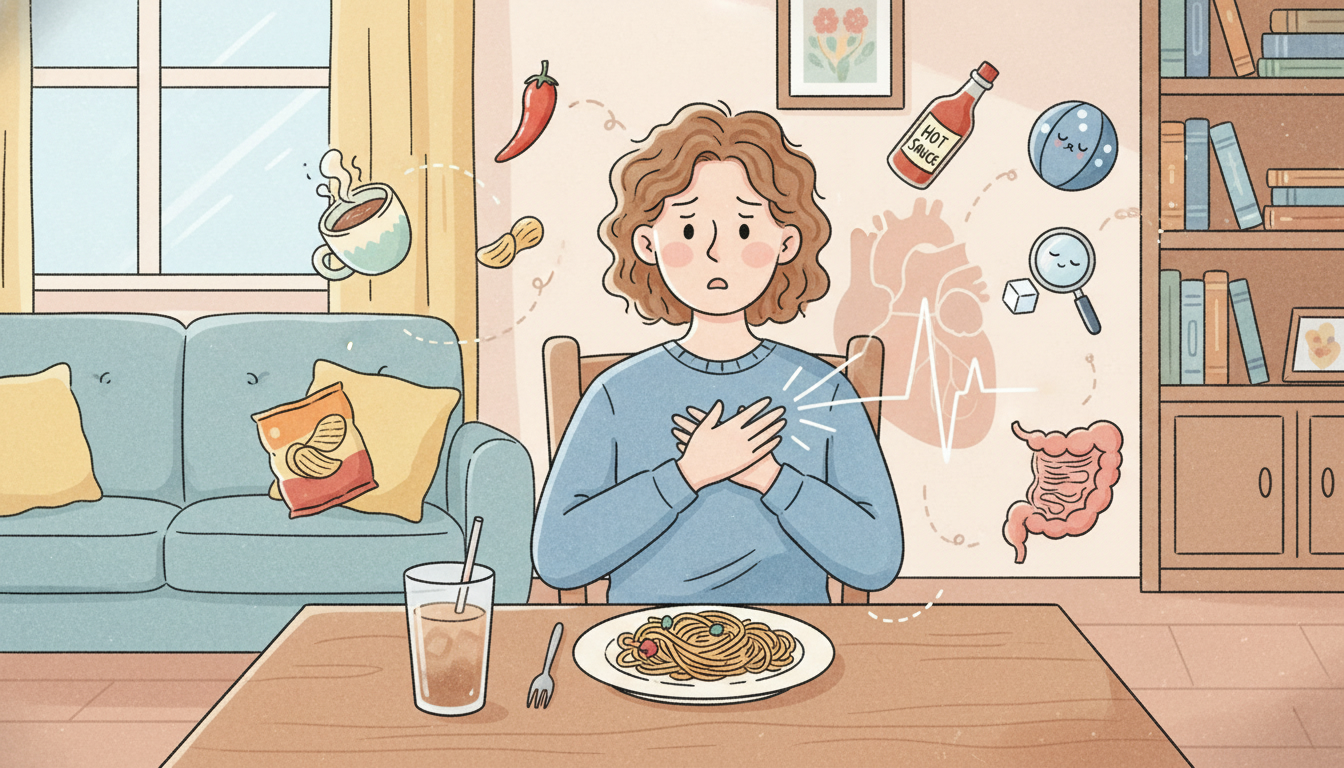
You’re sitting there enjoying a perfectly normal meal and then your heart suddenly decides to audition for a drum solo. Fast, fluttery, pounding, or a weird extra beat — palpitations after eating can be scary, especially when they hit out of nowhere. Let’s walk through what might be going on, when it’s usually harmless, and when you should get it checked out.
Quick note: This is education, not medical diagnosis. If you’re worried about your heart, talk to a healthcare professional.
What Are Heart Palpitations, Exactly?
Heart palpitations are the sensation that your heart is beating in an unusual way. People often describe them as:
- Pounding
- Fluttering
- Racing
- Skipping beats or “thumps” in the chest or throat
Sometimes palpitations are completely benign (annoying but not dangerous). Other times, they’re a sign of an underlying heart rhythm problem, thyroid issue, anemia, or other medical condition.
Key takeaway: Palpitations are a symptom, not a diagnosis. The real question is: what’s triggering them — and is it serious?
Why Do I Get Palpitations After Eating?
Digestion is not a passive background process. After you eat, your body ramps up a lot of activity:
- Blood flow to your digestive tract increases.
- Hormones like insulin and gut peptides are released.
- Your nervous system shifts a bit to handle digestion.
All of that can influence your heart. Here are common, non–life-threatening reasons people notice palpitations after meals:
1. Big, Heavy Meals
Large meals — especially ones high in simple carbs, sugar, or fat — can trigger palpitations for some people.
Why?
- A big meal diverts more blood to the gut, and your heart may beat faster to keep up.
- Spikes in blood sugar and insulin can affect heart rate in sensitive people.
- Large volumes of food can physically push up against the diaphragm and make you feel your heartbeat more.
You might notice:
- Palpitations 15–60 minutes after eating
- Feeling overly full, sluggish, or a bit lightheaded
Takeaway: If your heart races after Thanksgiving-style portions, your body may just be saying, “Smaller plates, please.”
2. Caffeine and Stimulants (Hidden and Obvious)
You already know coffee and energy drinks can speed up your heart. But stimulants can hide in:
- Chocolate (especially dark chocolate)
- Pre-workout supplements
- Strong tea
- Some sodas or “zero sugar” energy drinks
- Certain cold meds or decongestants
If you’re sensitive to caffeine or other stimulants, having them with or after a meal can make palpitations more noticeable.
Takeaway: If your “simple lunch” always includes iced coffee, that combo may be stirring things up.
3. Sugar and Refined Carbs
White bread, pastries, sugary drinks, desserts — sound familiar?
Meals high in refined carbs or sugar can cause rapid blood sugar spikes followed by sharp drops. That swing can trigger:
- Shakiness
- Anxiety or “wired” feeling
- Sweating
- Palpitations
People with insulin resistance, prediabetes, or diabetes may be especially prone to noticing heart flutters after carb-heavy meals.
Takeaway: If you get palpitations with donuts, soda, and white pasta but not with balanced meals, blood sugar swings could be playing a role.
4. High-Sodium or Ultra-Processed Foods
Salty, processed, or fast foods can:
- Increase fluid retention
- Temporarily raise blood pressure
- Make your heart work a bit harder
In people with underlying heart or blood pressure issues, this can contribute to palpitations or a pounding heartbeat, especially after a big salty meal such as ramen, pizza, fried foods, or takeout.
Takeaway: A fast-food run here and there is one thing — but if salt bombs reliably equal heart pounding, that’s a valuable pattern to note.
5. Alcohol
Alcohol can trigger palpitations during or after drinking, and even the next day. There’s a term called “holiday heart syndrome” used when otherwise healthy people develop heart rhythm issues (often atrial fibrillation) after heavy drinking, especially around parties and holidays.
Even moderate amounts of alcohol can:
- Dehydrate you
- Affect your electrolytes
- Interfere with the heart’s electrical system
Takeaway: If your chest flutters tend to show up after wine with dinner or social drinking, alcohol may be a key trigger.
6. Food Sensitivities, Reflux, and Bloating
Sometimes the issue isn’t the heart itself — it’s what’s happening right next door in your esophagus and stomach.
- Acid reflux (GERD): Burning in the chest plus palpitations after meals can feel terrifyingly similar to heart trouble.
- Gas and bloating: A very full, gassy stomach can put pressure under the diaphragm and chest, making heartbeats more noticeable.
- Food sensitivities: Some people report palpitations after eating gluten, dairy, MSG, or certain additives, likely through a mix of inflammation, nervous system activation, or reflux.
Takeaway: Chest sensations from the digestive tract can amplify how aware you are of your heartbeat — and awareness itself often makes palpitations feel worse.
7. Anxiety and the Mind–Body Loop
If you’ve ever felt palpitations after eating and gotten scared, your brain may now be on high alert at every meal.
What can happen:
- You feel a normal or mild heartbeat change after food.
- You worry it’s dangerous.
- Anxiety ramps up.
- Adrenaline kicks in, and your heart beats faster or harder.
- You notice it even more, and the cycle continues.
This doesn’t mean “it’s all in your head.” It means your nervous system is doing exactly what it’s wired to do when it thinks there’s a threat.
Takeaway: Fear of palpitations can actually fuel more palpitations — especially around predictable triggers like meals.
8. Medications and Medical Conditions
Sometimes, palpitations after eating are related to an underlying issue rather than the meal itself. For example:
- Thyroid problems (overactive thyroid) can cause a fast heartbeat that you might notice more after meals.
- Anemia (low red blood cells) can make your heart work harder to deliver oxygen, so any extra demand — like digesting food — might bring on palpitations.
- Low blood sugar (from diabetes meds or going too long without eating) can cause shakes, sweating, and palpitations, especially when you finally do eat.
- Certain medications, including inhalers, decongestants, ADHD meds, and some weight-loss drugs, can also increase heart rate.
Takeaway: If palpitations are frequent or intense, you need a medical workup to rule these out.
Is It Normal to Have Palpitations After Eating?
Mild, brief palpitations that:
- Happen occasionally
- Have clear triggers (big meals, caffeine, sugar)
- Go away on their own
- Aren’t accompanied by scary symptoms
are common and often not dangerous in otherwise healthy people.
But you shouldn’t just assume, especially if this is new for you, it’s happening more often, or it feels intense or lasts a long time.
Takeaway: Common does not equal harmless for every person. When in doubt, ask your doctor.
Red-Flag Symptoms: When to Call a Doctor ASAP
If palpitations after eating come with any of these, seek urgent or emergency care:
- Chest pain, tightness, or pressure
- Shortness of breath (especially at rest)
- Fainting or feeling like you might pass out
- Severe dizziness
- Pain radiating to jaw, arm, or back
- Sudden onset of very rapid, regular heartbeats that won’t slow down
If something feels seriously wrong, do not wait it out. Go to the ER or call emergency services.
For non-emergency but concerning situations, schedule a visit with your primary care doctor or a cardiologist if:
- Palpitations happen most days
- They last more than a few minutes regularly
- You have a history of heart disease, high blood pressure, diabetes, or thyroid problems
- You’re on medications that affect heart rate
Takeaway: Gut instinct matters. If you’re worried, that alone is a reason to get checked.
How Doctors Usually Evaluate Palpitations
If you see a clinician about palpitations after eating, they might:
- Ask detailed questions about:
- When palpitations happen (before, during, after meals)
- What you ate and drank
- Other symptoms (dizziness, chest pain, anxiety, sweating)
- Medications, supplements, caffeine, and alcohol
- Perform a physical exam
- Do tests such as:
- ECG (electrocardiogram): A quick snapshot of your heart rhythm.
- Blood tests: To check for anemia, thyroid issues, electrolytes, and more.
- Holter monitor or event monitor: A portable device you wear for 24 hours or longer to track your heart rhythm during real life, including meals.
- Echocardiogram: An ultrasound of the heart if there’s concern about structure or function.
Takeaway: Getting evaluated isn’t just about finding something wrong. It’s also about getting reassurance if everything looks okay.
What Can I Do to Reduce Palpitations After Eating?
While you should rule out serious causes with a healthcare professional, there are practical lifestyle tweaks that often help.
1. Change How You Eat
Try:
- Smaller, more frequent meals instead of huge ones.
- Eating more slowly to give your body time to respond.
- Avoiding lying down right after eating, especially if you get reflux.
This can ease the cardiovascular load and reduce big swings in blood flow and hormones.
2. Rethink What You Eat and Drink
Experiment with:
- Cutting back on caffeine, especially around meals.
- Reducing ultra-processed foods high in sugar and refined carbs.
- Limiting salty takeout and fast food.
- Moderating alcohol intake.
You don’t have to eat perfectly — just notice patterns. Maybe coffee is fine with breakfast, but not after dinner. Maybe soda with a meal is your personal trigger.
3. Balance Your Plate
To keep blood sugar steadier:
- Include protein (eggs, beans, chicken, tofu, Greek yogurt).
- Add healthy fats (olive oil, nuts, avocado).
- Choose high-fiber carbs (oats, quinoa, beans, whole grains, veggies) instead of only white bread, sweets, or juice.
A more balanced meal can reduce that spike–crash roller coaster that sometimes fuels palpitations and anxiety.
4. Hydrate and Watch Electrolytes
Dehydration can make palpitations worse, especially if you’re drinking caffeine or alcohol.
- Drink water regularly through the day, not just at meals.
- If you exercise heavily or sweat a lot, you may benefit from occasional electrolyte drinks, but avoid super sugary or ultra-caffeinated ones if palpitations are an issue.
5. Support Your Nervous System
If anxiety or hyperawareness is part of the picture, calming your nervous system can help reduce both palpitations and your reaction to them.
Tools to try (especially after meals):
- Slow, deep breathing, such as inhaling for 4 seconds and exhaling for 6–8 seconds for a few minutes.
- A gentle walk after eating instead of scrolling and stressing.
- Limiting doomscrolling or stressful conversations at the table.
6. Keep a Simple Symptom and Food Log
For 1–2 weeks, jot down:
- What and when you ate and drank
- When palpitations occurred and how they felt
- Other factors: sleep, stress, menstrual cycle (if applicable), exercise, medications
Patterns you (and your doctor) might notice include:
- Palpitations mainly after high-sugar meals
- Worse with wine or cocktails
- Linked to eating late at night
- Dominant on days with high stress plus coffee
Takeaway: Small, realistic changes and a bit of tracking can give you a surprising amount of control — and better data for your doctor.
So, Should I Be Worried About Palpitations After Eating?
Here’s the bottom line:
- Palpitations after meals are common and often tied to things like big portions, sugar, caffeine, alcohol, or reflux.
- They can also be made worse by anxiety and your brain’s very understandable fear of anything heart-related.
- Sometimes, though, they’re a clue to something deeper — like a heart rhythm issue, thyroid problem, anemia, or blood sugar disorder.
You don’t need to panic, but you do deserve clarity.
Smart next steps:
- Notice your patterns: what you eat, when symptoms happen, and what else is going on (stress, sleep, medications).
- Make a few gentle changes: smaller meals, less caffeine and sugar, and better hydration.
- Book an appointment with a healthcare provider, especially if:
- This is new or getting worse.
- You have other health conditions.
- You’re feeling scared and want answers.
Your heart is important. If it’s doing something that worries you — even if it might be “nothing” — that’s worth checking out.
Leave a Reply