Why Your Resting Heart Rate Is Higher Today
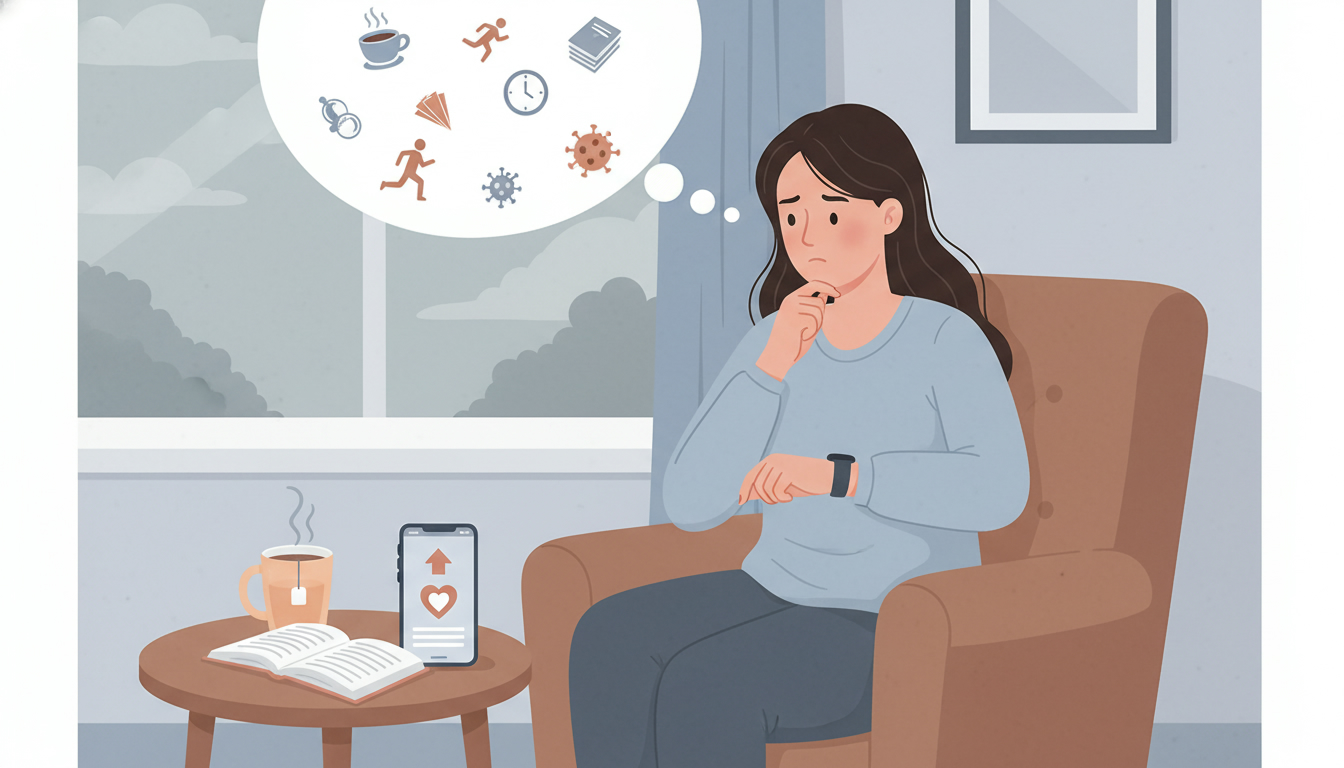
You open your fitness app, glance at your stats, and pause.
“Wait. Why is my resting heart rate higher today?”
Cue the tiny inner panic: Is my heart broken? Am I getting sick? Did that third iced coffee finally catch up with me? Let’s slow this down—ironically, unlike your heart right now—and walk through what a higher resting heart rate (RHR) actually means, when to worry, and what to do next.
First: What Counts as a “Normal” Resting Heart Rate?
Resting heart rate is how many times your heart beats per minute when you’re at complete rest—usually measured after you’ve been sitting or lying quietly for a few minutes or first thing in the morning.
For most healthy adults:
- Normal resting heart rate: about 60–100 beats per minute (bpm)
- Many fit people: often 50–60 bpm, sometimes even lower
Age, fitness level, medications, and health conditions all influence where your normal sits.
Quick takeaway: A single higher reading doesn’t automatically mean there’s a crisis. Context matters.
Why Might Your Resting Heart Rate Be Higher Today?
Let’s talk about the usual suspects. A bump of 5–15 bpm from your personal normal is often explained by everyday factors.
1. Poor Sleep (Or Just Not Enough of It)
If you slept badly, went to bed late, or woke up several times, your nervous system may still be in a more “wired” state. That can raise your resting heart rate the next day.
Common triggers:
- Insomnia or fragmented sleep
- Late-night scrolling or TV
- Drinking alcohol before bed
What to look for: Higher RHR plus grogginess, irritability, and feeling “tired but wired” when you wake up.
Mini-fix: Aim for a calm pre-bed routine and consistent sleep and wake times. Even one to two nights of better sleep can help your RHR drift back toward baseline.
2. Stress, Anxiety, and Overthinking
Your heart doesn’t just react to physical stress. Mental and emotional stress matter just as much.
When you’re stressed, your body releases hormones like adrenaline and cortisol. These prime you for a “fight-or-flight” response, increasing your heart rate even at rest.
Stressors that can nudge your RHR up:
- Work or school deadlines
- Big life events (moves, breakups, money worries)
- Constant low-level anxiety or worry
Mini-fix: Try:
- Five to ten minutes of slow, deep breathing (inhale 4 seconds, exhale 6 seconds)
- A short walk outside
- Writing down your to-do list to get it out of your head
Even small stress-management habits, consistently done, can lower your average resting heart rate over time.
3. Dehydration
When you’re dehydrated, your blood volume drops slightly. Your heart has to beat faster to keep blood flowing where it needs to go.
Signs dehydration may be a factor:
- Dark yellow urine (instead of pale straw color)
- Dry mouth or lips
- Headache or feeling a bit lightheaded when you stand
Mini-fix:
- Drink water throughout the day instead of chugging once.
- Add an electrolyte drink if you’ve been sweating a lot or had diarrhea or vomiting.
If your higher RHR lines up with a day you barely drank water or had intense sweating, this may be the simple answer.
4. Caffeine, Alcohol, Nicotine, and Other Stimulants
Some things we consume can make your resting heart rate higher, especially if you had more than usual.
Common culprits:
- Caffeine: coffee, energy drinks, pre-workout, strong tea
- Nicotine: cigarettes, vapes
- Alcohol: especially in the evening or in larger amounts
- Certain cold medicines or decongestants
If your RHR is higher on:
- Monday after a caffeine-heavy weekend
- The morning after drinks
- During a week you’ve been hitting energy drinks harder than usual
That might be the cause.
Mini-fix: Take note of timing. Try cutting back slightly or avoid stacking caffeine, alcohol, and nicotine close together.
5. Exercise: Both Too Little and Too Much
Not Enough Movement
A consistently sedentary lifestyle can keep your resting heart rate on the higher side. Your heart has to work harder to do basic tasks.
If you’ve been more inactive than usual—long travel days, lots of sitting, skipped workouts—your RHR might creep up a bit.
Too Much, Too Soon (Or Overtraining)
On the flip side, if you:
- Just started a new intense workout program
- Did a particularly hard session yesterday
- Have been training hard with little rest
Your body may still be in “recovery” mode. It’s common to see a higher resting heart rate the day after tough exercise.
Mini-fix:
- If you’ve been inactive: start adding light movement (walking, light stretching) and gradually build up.
- If you’ve been overdoing it: take a rest or active recovery day and see if your RHR improves after a good night’s sleep.
A useful rule: if your resting heart rate is 10+ bpm higher than your normal and you feel unusually tired, it’s often a sign to go easier that day.
6. Illness Coming On (Even Before You Feel Sick)
A higher resting heart rate can be one of the early signs your body is fighting something off—like a cold, the flu, or another infection.
You might notice:
- RHR higher than normal
- Slight body aches or fatigue
- Mild chills or feeling “off” even before clear symptoms show up
If a day or two later you develop a sore throat, fever, or congestion, that earlier higher RHR was likely your body ramping up its immune response.
Mini-fix: Give your body what it needs to fight:
- Extra sleep
- Fluids
- Lighter activity
If you feel truly unwell, or your symptoms escalate, it’s time to contact a healthcare professional.
7. Hormones, Menstrual Cycle, and Other Internal Shifts
For people who menstruate, resting heart rate often changes across the cycle. It can be slightly higher in the second half (luteal phase) and right before a period.
Other hormone-related shifts that can affect RHR:
- Thyroid issues
- Pregnancy
- Perimenopause or menopause
If you track your cycle or hormones and notice a pattern—like RHR creeping up at the same time each month—that might be your answer.
Mini-fix: Track alongside your cycle or any hormone treatments. Share this pattern with your doctor if you have concerns.
8. Medications and Medical Conditions
Some medications and medical conditions can raise or lower resting heart rate. These include (but aren’t limited to):
- Asthma medications (certain inhalers)
- Decongestants
- Some antidepressants
- Thyroid medications
- Heart or blood pressure medications
Health conditions like thyroid disease, anemia, heart rhythm disorders, and others can also influence RHR.
Important: If you’ve just started, stopped, or changed a medication, and you notice a significant change in your resting heart rate, contact the prescribing clinician.
Mini-fix: Never change or stop medications on your own based only on heart rate data. Use your readings as information to bring into a proper medical conversation.
How Much of an Increase Is Actually Concerning?
Everyone’s baseline is different, so it’s more helpful to compare your RHR to your own normal rather than someone else’s.
Questions to ask yourself:
-
What’s my usual resting heart rate?
Example: If you’re normally around 65 bpm and today you’re at 73–76 bpm, that’s a small bump that might be from stress, poor sleep, or a heavy workout.
-
Is this a one-time spike or a trend?
One random high reading is less concerning. Higher than usual for several days or weeks in a row is more important to pay attention to.
-
Do I have other symptoms?
Chest pain, severe shortness of breath, fainting, or a racing, irregular heartbeat is different from “Huh, my RHR is a bit higher.”
General red flags (seek medical care promptly):
- Resting heart rate consistently above 100 bpm when you’re truly at rest
- Sudden racing heart rate with chest pain, pressure, or trouble breathing
- Feeling like you might pass out, or actually fainting
- Heartbeat feels very irregular or “fluttery” in a new way
If any of these happen, don’t wait—get medical help right away.
How to Check Your Resting Heart Rate Accurately
If today’s reading looks weird, it’s worth asking: Was it measured correctly?
Good practices:
-
Measure at the same time each day.
Ideally first thing in the morning, before coffee, food, or stress.
-
Be still for at least 5 minutes.
Sitting or lying down, calm breathing.
-
Use consistent tools.
Same smartwatch, fitness tracker, or method each time.
-
Double-check manually if needed.
Feel your pulse at your wrist or neck. Count beats for 30 seconds and multiply by 2.
If your device showed something surprising, try taking a manual pulse and see if it matches roughly.
Takeaway: Before panicking about a strange reading, rule out a measurement glitch or odd moment (like getting a notification that stressed you out or walking around between readings).
What You Can Do Today If Your Resting Heart Rate Is Higher
Here’s a calm, practical approach.
Step 1: Scan for Obvious Triggers
Ask yourself:
- Did I sleep badly?
- Am I more stressed than usual?
- Did I have more caffeine, alcohol, or nicotine than normal?
- Did I just finish a tough workout yesterday?
- Am I possibly getting sick?
If you answer yes to any of these, you likely have a reasonable explanation.
Step 2: Give Your Body a “Gentle Day”
For a day or two:
- Prioritize sleep (aim for 7–9 hours).
- Hydrate regularly.
- Choose lighter movement (walking, gentle yoga) instead of intense exercise.
- Try relaxation techniques: breathing exercises, meditation, or anything that calms your nervous system.
Step 3: Keep an Eye on the Trend
Watch how your RHR behaves over the next few days:
- If it falls back toward your normal range, you likely just hit a temporary bump.
- If it stays higher or keeps creeping upward with no clear reason, that’s a sign to talk with a healthcare professional.
Step 4: When to Call a Doctor
You should reach out to a clinician if:
- Your resting heart rate is consistently above 100 bpm at rest.
- It’s 10–20+ bpm above your normal for more than a few days, and you can’t explain why.
- You have symptoms like chest pain, shortness of breath, dizziness, fainting, or an irregular heartbeat.
- You have existing heart or thyroid conditions and notice new changes in your RHR.
Your heart rate is a useful signal, but it’s only one part of the story. A professional can put it into context with your history, medications, lifestyle, and possibly additional tests.
Can You Lower Your Resting Heart Rate Long-Term?
Yes—often, you can.
Long-term habits that tend to lower resting heart rate:
- Regular aerobic exercise: walking, cycling, swimming, jogging
- Stress reduction: therapy, meditation, breathing work, time in nature
- Consistent sleep schedule and good sleep hygiene
- Limiting smoking and excessive alcohol
- Addressing underlying conditions with medical care (for example, thyroid problems, anemia)
You don’t need perfect habits; you just need more good days than bad days over time.
Bottom Line: Don’t Let One High Reading Ruin Your Day
If your resting heart rate is higher today, first, breathe. One odd reading is usually not an emergency.
Check for obvious factors: sleep, stress, stimulants, workouts, illness, medications. Give yourself a lighter, more compassionate day and see what happens tomorrow. If higher readings stick around, or you have concerning symptoms, get medical advice.
Your heart isn’t just a number on your watch—it’s reacting to your whole life. Use the data as a nudge toward better habits and, when needed, as a prompt to get professional help.
Important disclaimer: This post is for general information and education only. It’s not medical advice, and it can’t replace an evaluation by a qualified healthcare professional. If you’re worried about your heart or having serious symptoms, seek medical care right away.
Leave a Reply