
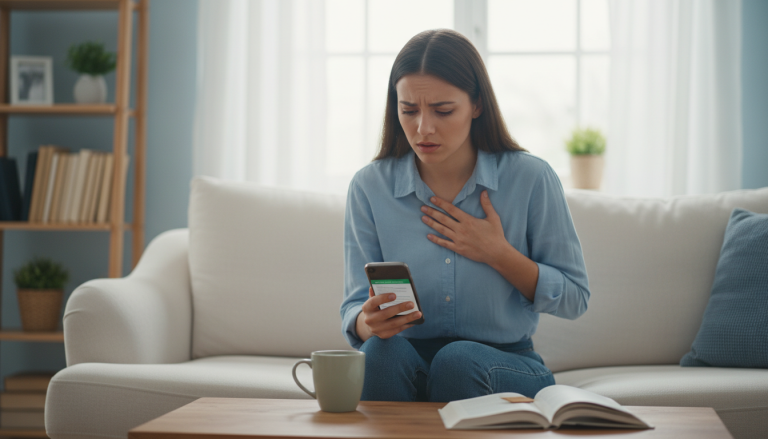
When Your Heart Feels Weird: What It Might Mean and When to Get Help
Disclaimer: This article is for general information only and isn’t medical advice or a diagnosis. If you have severe symptoms or think it may be an emergency, call your local emergency number.
So your heart feels off. Not full-on movie-style heart attack, but also not totally normal. Maybe it’s fluttering, thudding, skipping, buzzing, or doing little flip-flops in your chest. And now you’re wondering: Is this serious, or is my heart just being dramatic?
Let’s walk through what “heart feels weird” can actually mean, what might be going on, what’s probably okay to watch for a bit, and when you should stop Googling and get real-life medical help.
First, What Does “My Heart Feels Weird” Actually Mean?
People use this phrase to describe a bunch of different sensations, like:
- A sudden hard thump in the chest
- Fluttering or “butterflies” in the chest
- Heart racing out of nowhere
- A pause or “skipped” heartbeat feeling
- Buzzing, pounding, or awareness of your heartbeat (even if it’s normal)
- Mild chest tightness or pressure
Doctors often group a lot of these under one umbrella term: palpitations — the feeling that you’re unusually aware of your heartbeat, whether it’s fast, irregular, or just louder than usual.
Quick takeaway: “Weird heart feelings” are common and often harmless, but the context (symptoms plus your health history) really matters.
Common, Often Harmless Reasons Your Heart Feels Weird
These are some of the more common, non-emergency causes behind odd heart sensations. Still, only a health professional who knows you can sort out what’s actually going on.
1. Extra or Skipped Beats (PACs and PVCs)
Your heart isn’t a metronome. It’s allowed the occasional glitch.
Two very common, usually benign rhythm quirks are:
- PACs (premature atrial contractions) – extra beats from the upper chambers
- PVCs (premature ventricular contractions) – extra beats from the lower chambers
Many people feel these as:
- A sudden thump or “drop” in the chest
- A brief pause, then a harder beat
- A momentary flip-flop when you’re resting or lying down
According to major centers like the Mayo Clinic and Cleveland Clinic, these extra beats are common in healthy people and often triggered by stress, caffeine, alcohol, or lack of sleep.
You might notice them more when:
- You finally sit or lie down after a long day
- You’ve had a lot of coffee, energy drinks, or pre-workout
- You’re stressed, anxious, or hyper-focusing on your heartbeat
Quick takeaway: Occasional extra or skipped beats in an otherwise healthy person are often benign, but frequent, worsening, or bothersome episodes deserve a checkup.
2. Anxiety, Panic, and the Mind–Heart Connection
Anxiety is an absolute pro at making your heart feel wrong. When you’re anxious, your body releases adrenaline. That can cause:
- Heart racing or pounding
- Chest tightness or pressure
- Shortness of breath
- Shaky, wired feeling
Sometimes the weird heart feeling comes first, and then you panic. Other times, anxiety comes first, and your heart reacts. Either way, it can create a feedback loop: you feel something, you worry, your body releases more stress hormones, your heart responds, and you worry more.
Red flag to watch for: Don’t automatically assume “it’s just anxiety.” Anxiety and a heart condition can coexist, and anxiety doesn’t get a free pass as an explanation without proper evaluation.
Quick takeaway: Anxiety can make your heart feel odd and amplify normal sensations, but you still deserve real medical evaluation if symptoms are new, intense, or concerning.
3. Stimulants: Caffeine, Nicotine, Energy Drinks, and Medications
If your day runs on coffee, energy drinks, vape pens, or ADHD medications, your heart may be simply responding to stimulants.
Common triggers include:
- Coffee, espresso, cold brew, energy drinks
- Nicotine (including vaping)
- Decongestants (like pseudoephedrine in some cold meds)
- Some asthma inhalers
- Certain weight-loss, pre-workout, or “fat burner” supplements
These can:
- Speed up your heart rate
- Make palpitations or skipped beats more noticeable
- Make you feel jittery or wired
Quick self-check:
- Did your weird heart feelings start or get worse after a new drink, supplement, or medication?
- Are you having more than one or two energy drinks or multiple coffees per day?
Quick takeaway: Stimulants can make your heart feel jumpy or fast. Cutting back and seeing if things calm down is an easy first experiment, but don’t stop prescription meds without talking to your doctor.
4. Dehydration, Illness, and Low Blood Volume
If you’re low on fluids or recovering from being sick, your heart may have to work a bit harder to keep blood moving where it needs to go.
This can happen with:
- Dehydration (not drinking enough, sweating a lot, vomiting or diarrhea)
- Fever or infection
- Blood loss (heavy periods, gastrointestinal bleeding, injury)
You might notice:
- Faster heartbeat, especially when standing up
- Lightheadedness or wooziness
- Feeling weak or washed out
Quick takeaway: Sometimes your heart feels weird because the rest of your body is under strain. Fluids, rest, and treating the underlying issue can help, but sudden or severe symptoms are still a reason to be seen.
5. Hormones, Thyroid, and Body Changes
Your heart is very sensitive to hormonal shifts.
Possible contributors:
- Overactive thyroid (hyperthyroidism) – can cause a racing heart, palpitations, anxiety, weight loss, heat intolerance
- Underactive thyroid (hypothyroidism) – can cause slow heart rate, fatigue, feeling cold, weight gain
- Pregnancy – blood volume and heart rate change; palpitations can be common
- Perimenopause or menopause – hormonal changes plus hot flashes, sleep issues, and anxiety can all affect heart sensations
Quick takeaway: If your weird heart feelings come with big shifts in energy, weight, temperature tolerance, or menstrual changes, thyroid or hormonal causes are worth checking.
Could It Be Something More Serious?
Sometimes a weird-feeling heart can signal a more serious heart problem. That doesn’t mean it is serious, but these possibilities are exactly why it’s smart to get evaluated.
1. Arrhythmias (Abnormal Heart Rhythms)
An arrhythmia is a problem with the rate or rhythm of the heartbeat.
Some examples:
- Atrial fibrillation (AFib): irregular, often fast heartbeat; can feel like fluttering, pounding, or uneven beats
- SVT (supraventricular tachycardia): sudden episodes of very fast heart rate, often starting and stopping abruptly
- Ventricular arrhythmias: can be dangerous and are usually emergencies
These can cause:
- Palpitations
- Shortness of breath
- Chest discomfort
- Lightheadedness or near-fainting
Quick takeaway: Arrhythmias range from mostly harmless to life-threatening. If your heart is frequently racing, irregular, or episodes are getting worse, you need real-world medical evaluation, not self-diagnosis.
2. Heart Disease, Blocked Arteries, and Heart Attack
People often imagine that a heart attack always looks like dramatic chest-clutching. In reality, symptoms can be more subtle, especially in women and people with diabetes.
Possible warning signs of a heart attack or serious heart problem include:
- Chest pain, pressure, tightness, squeezing, or heaviness
- Pain spreading to the arm, neck, jaw, back, or stomach
- Shortness of breath
- Nausea, vomiting, or breaking out in a cold sweat
- Sudden, overwhelming fatigue
- Feeling like “something is really wrong”
These symptoms are more concerning if:
- They come on suddenly and don’t go away
- They’re triggered by exertion (like walking up stairs) and relieved by rest
- You have risk factors like high blood pressure, high cholesterol, diabetes, smoking, or a strong family history of heart disease
Quick takeaway: Chest discomfort plus shortness of breath, sweating, nausea, or pain elsewhere is an emergency pattern. Call your local emergency number.
3. Structural Heart Problems or Valve Issues
Less commonly, a weird-feeling heart can come from physical changes to the heart muscle or its valves.
These might cause:
- Shortness of breath, especially when lying flat or with activity
- Swelling in legs or ankles
- Fatigue and reduced exercise tolerance
- A new heart murmur your doctor can hear with a stethoscope
These conditions are usually picked up with tests like an echocardiogram (heart ultrasound).
Quick takeaway: If your weird heart sensations are paired with ongoing shortness of breath, swelling, or major exercise intolerance, you need an in-person workup.
Mini Case Examples (Fictional but Relatable)
Case 1: The Caffeinated Overachiever
Alex starts feeling random thumps in their chest in the evenings. They’ve been slamming iced coffee all day, using pre-workout before the gym, and sleeping 5–6 hours a night.
The sensations feel like a skipped beat followed by a strong thud, especially when lying down. Evaluation shows benign premature beats (PVCs). Cutting down caffeine, hydrating, and sleeping more decreases symptoms dramatically.
Lesson: Lifestyle triggers are real. Your heart notices what you put in your body.
Case 2: “It’s Just Anxiety”…But Also Not Really
Jordan has been told for years that their racing heart is “just panic.” Lately, episodes start suddenly, with heart rates over 180 beats per minute, feeling like a light switch turning on and off.
After finally seeing a cardiologist and wearing a heart monitor, they’re diagnosed with supraventricular tachycardia (SVT). They still have anxiety, but they also had a real arrhythmia that was treatable.
Lesson: Anxiety and a heart condition are not mutually exclusive. Don’t let “it’s just anxiety” be the end of the conversation if your gut says otherwise.
Case 3: The Quiet Warning Sign
Taylor starts getting mild chest pressure and fatigue when walking up hills. There is no dramatic pain, just a strange tightness and feeling wiped out afterward. They chalk it up to being out of shape.
After seeing a doctor, they’re found to have significant coronary artery disease. Getting evaluated early helps them get treatment before a full-blown heart attack.
Lesson: Subtle, exertion-related chest symptoms still matter.
When Should I Worry About My Weird Heart Feeling?
Intensity, timing, other symptoms, and your risk factors all matter.
Call Your Local Emergency Number Now If:
- Chest pain, pressure, or tightness lasts more than a few minutes, especially if it:
- Radiates to your arm, jaw, back, or neck
- Comes with shortness of breath
- Comes with sweating, nausea, or vomiting
- You feel like you might pass out or you actually lose consciousness
- Your heart is racing or pounding and you’re also:
- Very short of breath
- Lightheaded or confused
- Having chest pain
- You have known heart disease and your usual symptoms suddenly get much worse or different
When in doubt, it’s safer to overreact than underreact.
Call Your Doctor or Seek Urgent Care Soon (Same Day or Next Day) If:
- Your heart feels weird frequently (daily or near-daily)
- You have new or worsening palpitations that you’ve never had before
- Episodes last minutes to hours, not just a quick single thump
- You have palpitations plus:
- Mild shortness of breath
- Mild chest discomfort
- Dizziness
- Exercise intolerance or unusual fatigue
- You have risk factors like high blood pressure, high cholesterol, diabetes, smoking, or strong family history of heart disease
Mention This Clearly to Your Doctor
If you decide to see a clinician, it helps to bring a clear description. Jot these down ahead of time:
- What it feels like: thumping, fluttering, skipping, racing, pounding, etc.
- How long episodes last: seconds, minutes, hours.
- How often it happens: once a month, weekly, daily, many times a day.
- Triggers you’ve noticed: exercise, standing up, caffeine, lying down, stress.
- What helps it stop: resting, deep breathing, changing position, nothing.
- Other symptoms with it: chest pain, shortness of breath, dizziness, fainting, sweating, nausea, fatigue.
- Medications and supplements: including caffeine, energy drinks, pre-workout, decongestants, and herbal products.
This kind of information helps your doctor decide what tests you need—like an EKG, wearable heart monitor, blood work (thyroid, electrolytes), or imaging.
Quick takeaway: The more specific you can be about what you feel and when it happens, the easier it is for a clinician to help.
What Can I Do Right Now While I Wait to Be Seen?
These are not substitutes for medical care, but they may help in the short term if your symptoms are mild and you’re not having any emergency warning signs.
- Ease up on stimulants
- Cut back on coffee, energy drinks, nicotine, and pre-workout.
- Avoid mixing multiple stimulants (for example, coffee plus energy drink plus decongestant).
- Hydrate and eat regularly
- Dehydration and low blood sugar can both make your heart feel off.
- Aim for steady fluid intake and balanced meals.
- Log your symptoms
- Use your phone notes or a simple journal.
- Note time, activity, what you ate or drank, and how it felt.
- Practice slow, deep breathing
- Inhale through the nose for 4 seconds, exhale through the mouth for 6 seconds.
- This can help calm both your heart rate and your nervous system.
- Avoid self-diagnosing from worst-case scenarios online
- Reading about rare conditions late at night will make your heart feel weirder.
Important: If any of your symptoms cross into the emergency territory described earlier, stop reading and get help in person.
The Bottom Line
Odd heart sensations are incredibly common. Many are benign, like extra beats, anxiety, or too much caffeine, but some are your body’s early warning system for something more serious.
You don’t have to figure it out alone or decide if it’s worthy of a doctor’s time. If your heart feels weird and it’s scaring you, that alone is a valid reason to get checked.
Your job is to pay attention, write things down, and seek care when needed. Your doctor’s job is to listen, investigate, and help you sort out whether this is a harmless quirk, a fixable problem, or something that needs closer monitoring.
If your gut is saying, “This doesn’t feel right,” listen to it.
Sources
- Mayo Clinic – Heart palpitations: symptoms and causes
- Cleveland Clinic – Premature ventricular contractions (PVCs)
- Cleveland Clinic – Supraventricular tachycardia (SVT)
- American Heart Association – Warning signs of a heart attack
- MedlinePlus (NIH/NLM) – Arrhythmia
- MedlinePlus – Hyperthyroidism
- MedlinePlus – Hypothyroidism
- NHS – Heart palpitations
Leave a Reply